Real Estate Investment and Development in the Triangle 2026
April 30, 2026
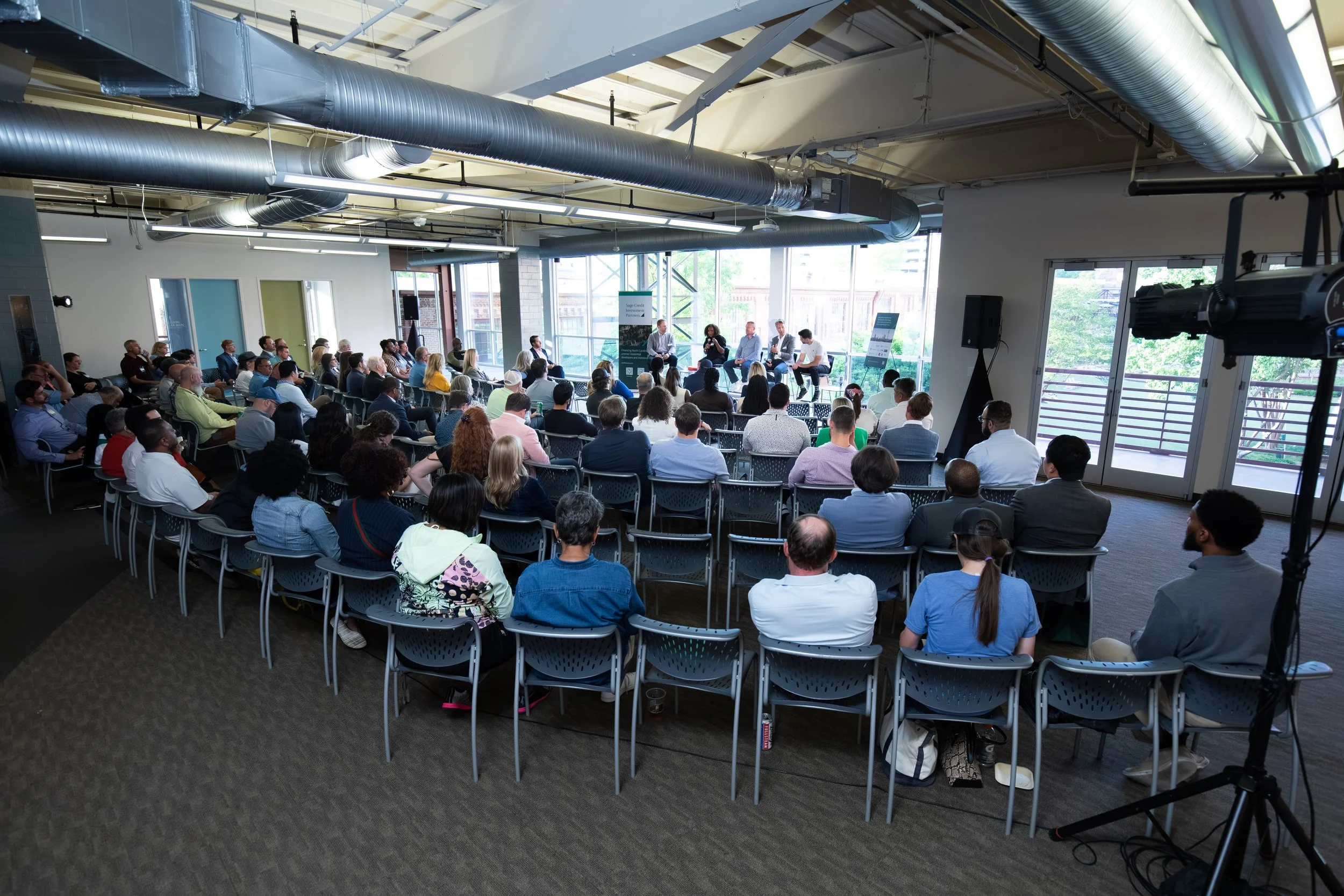
The Bridge at American Tobacco Campus, Durham, NC
Overview
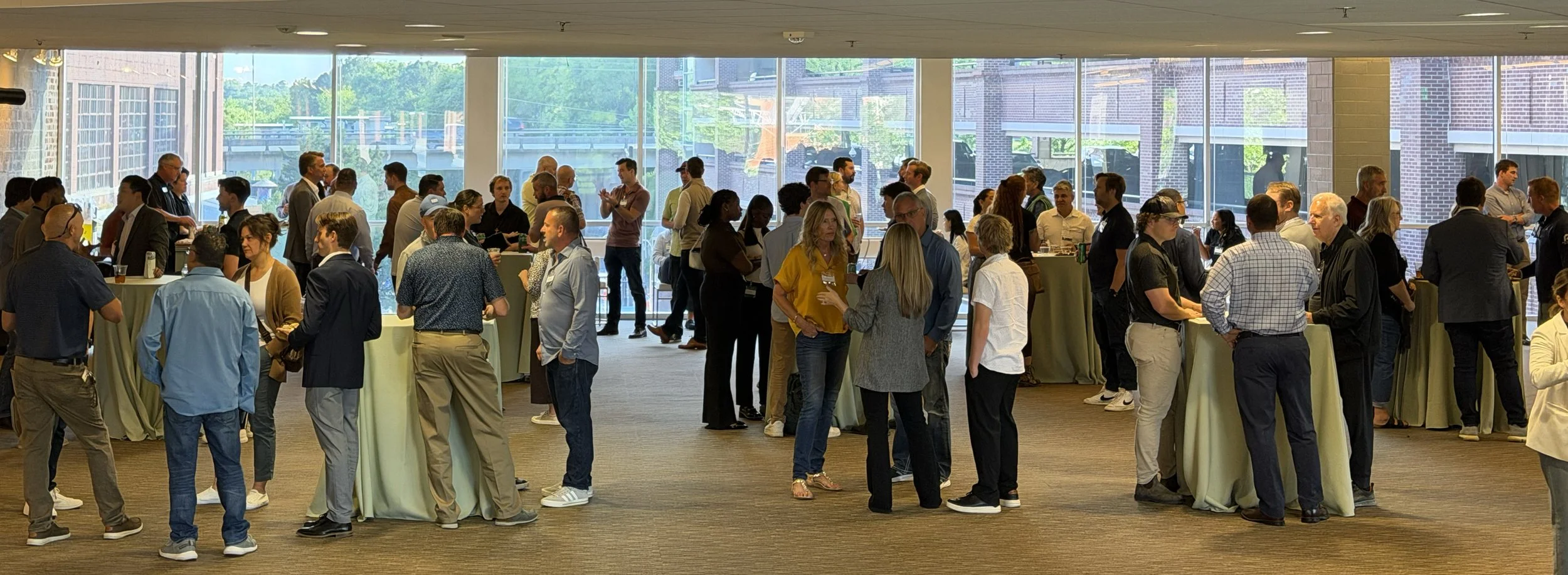
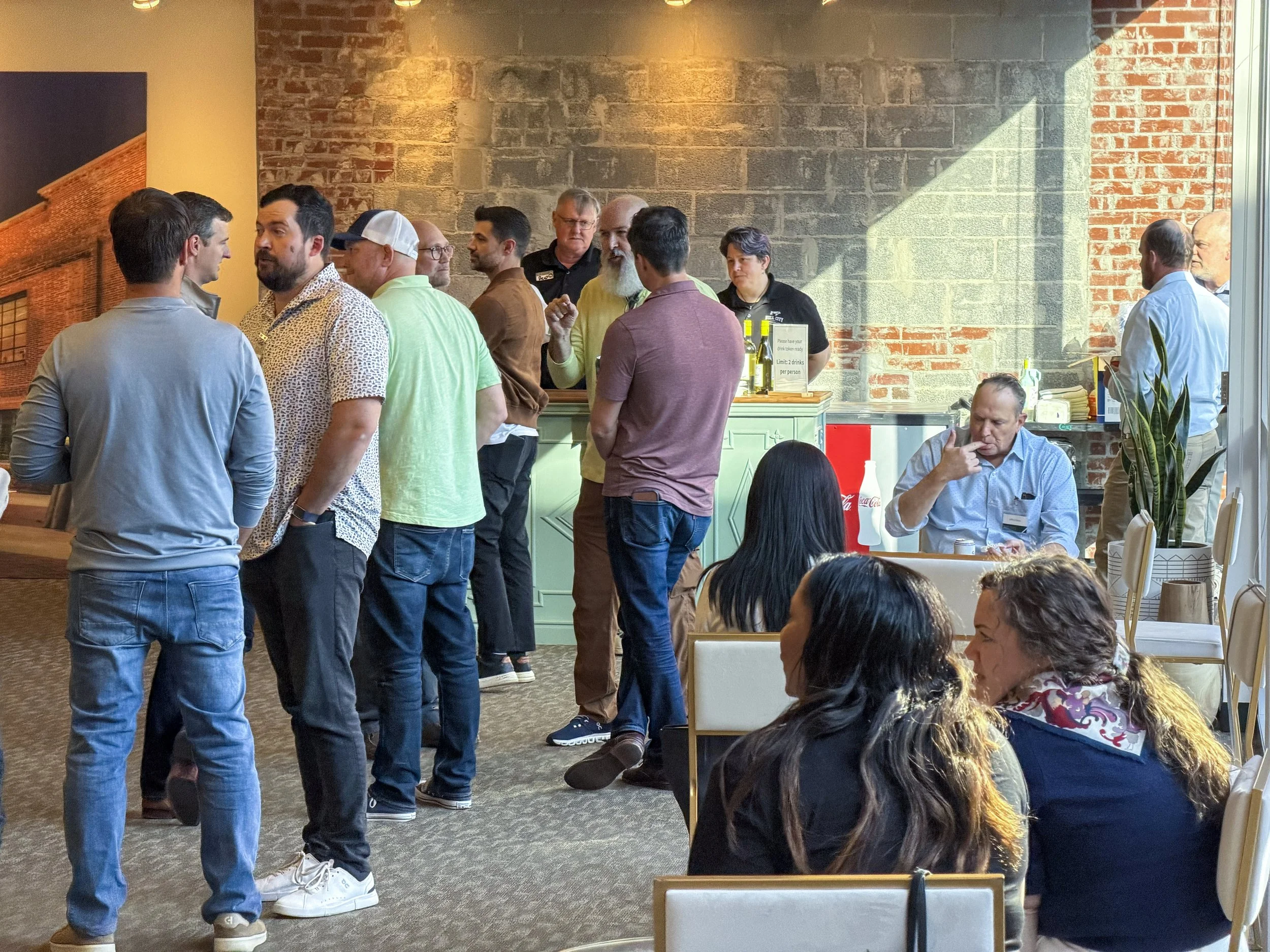
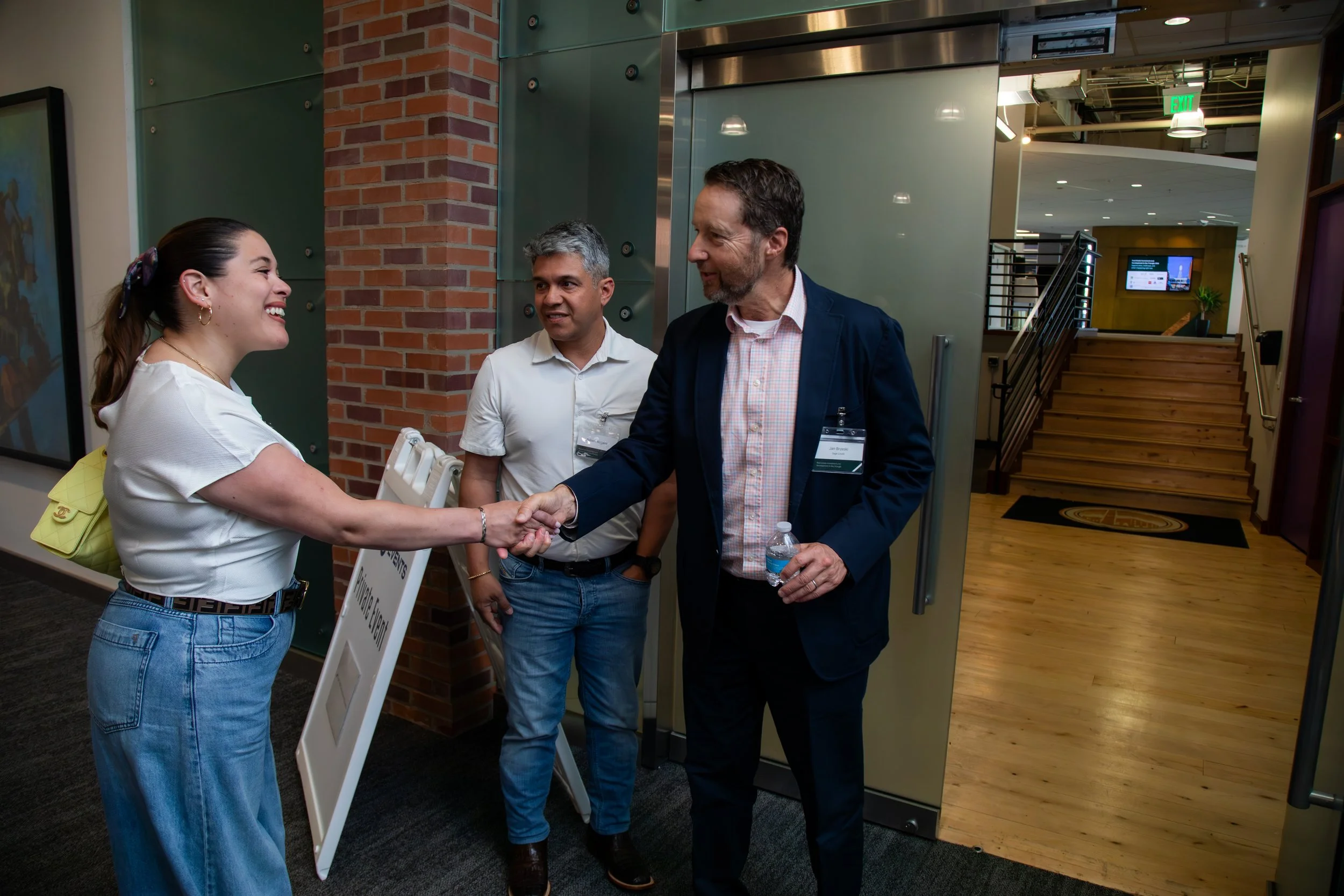
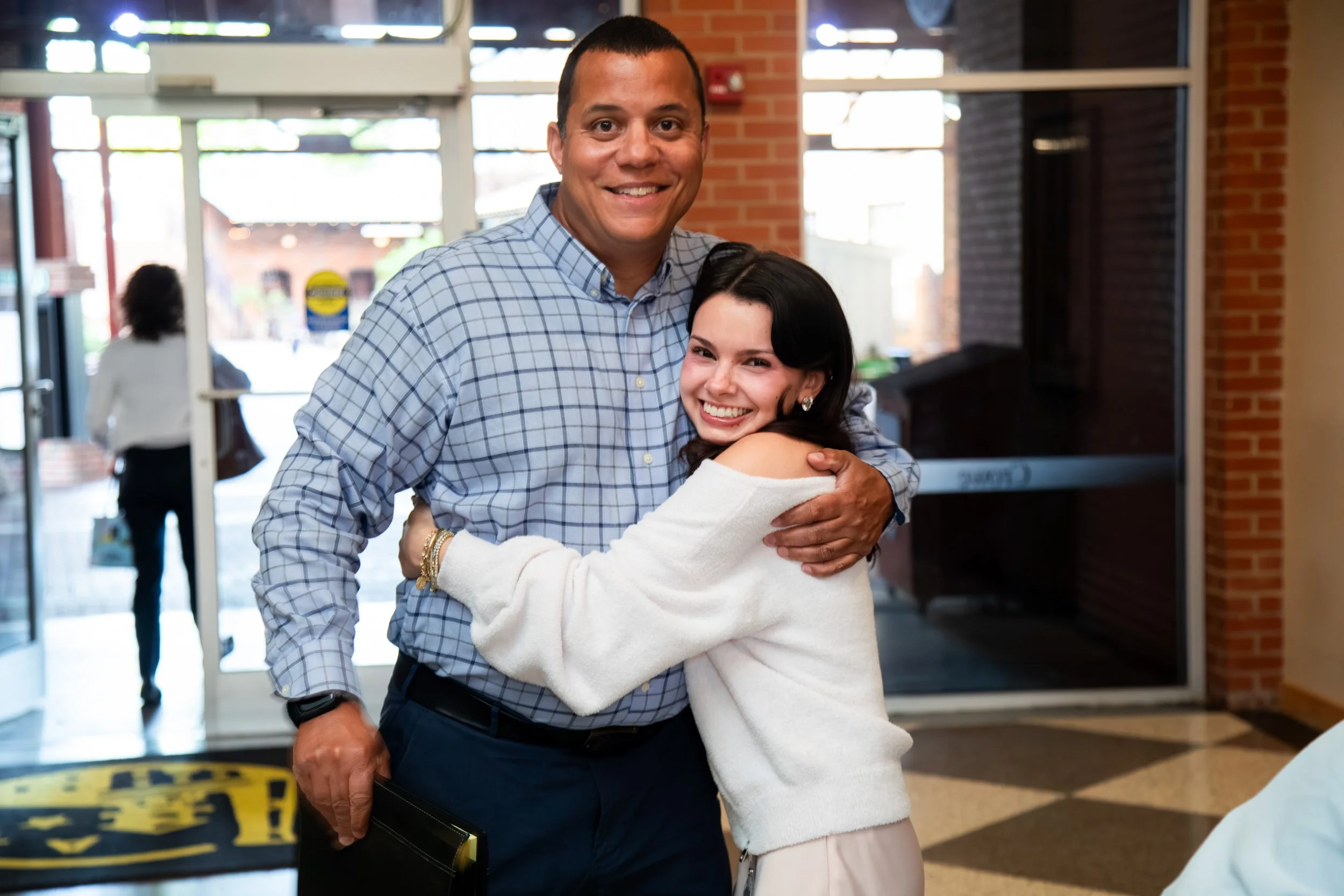
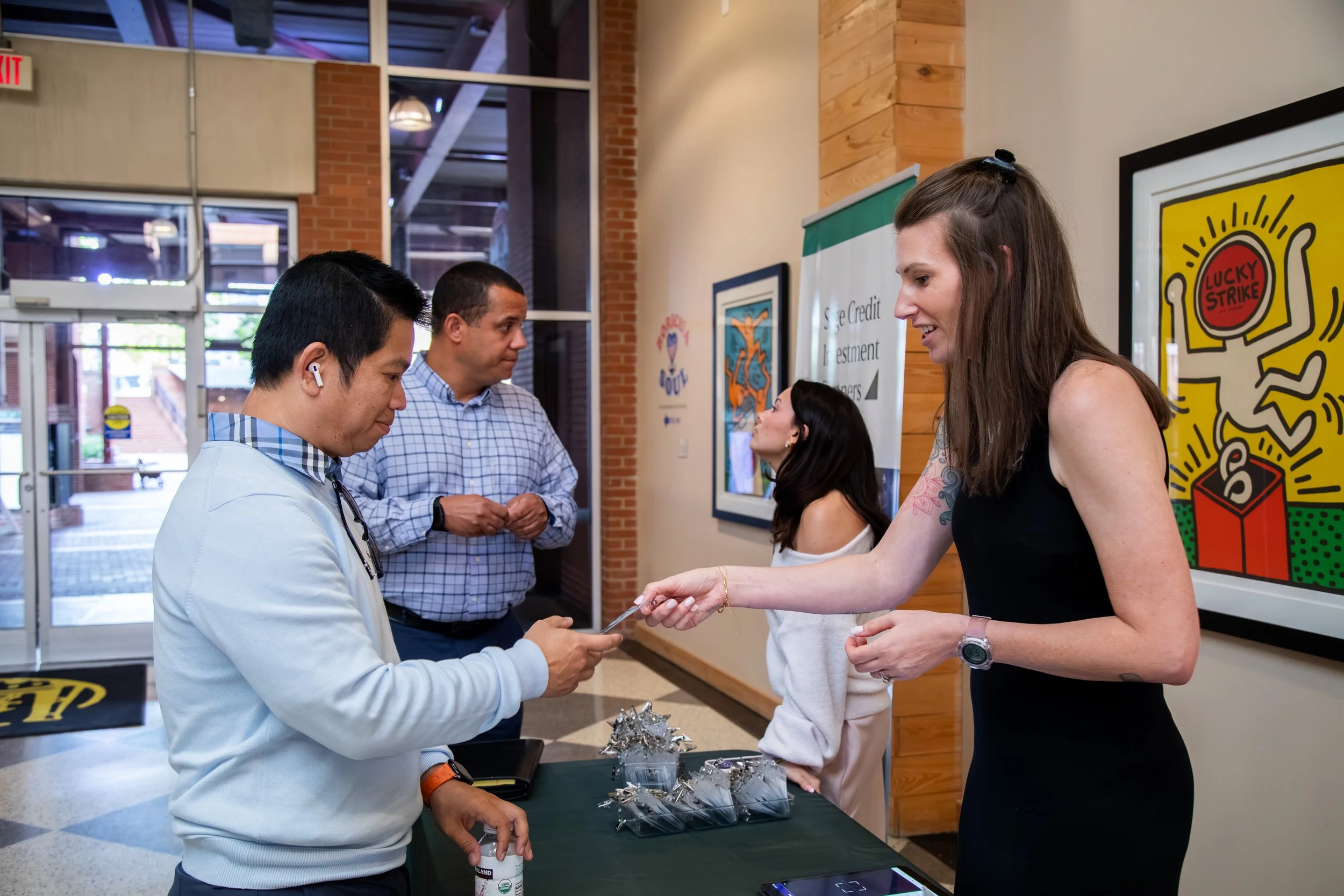
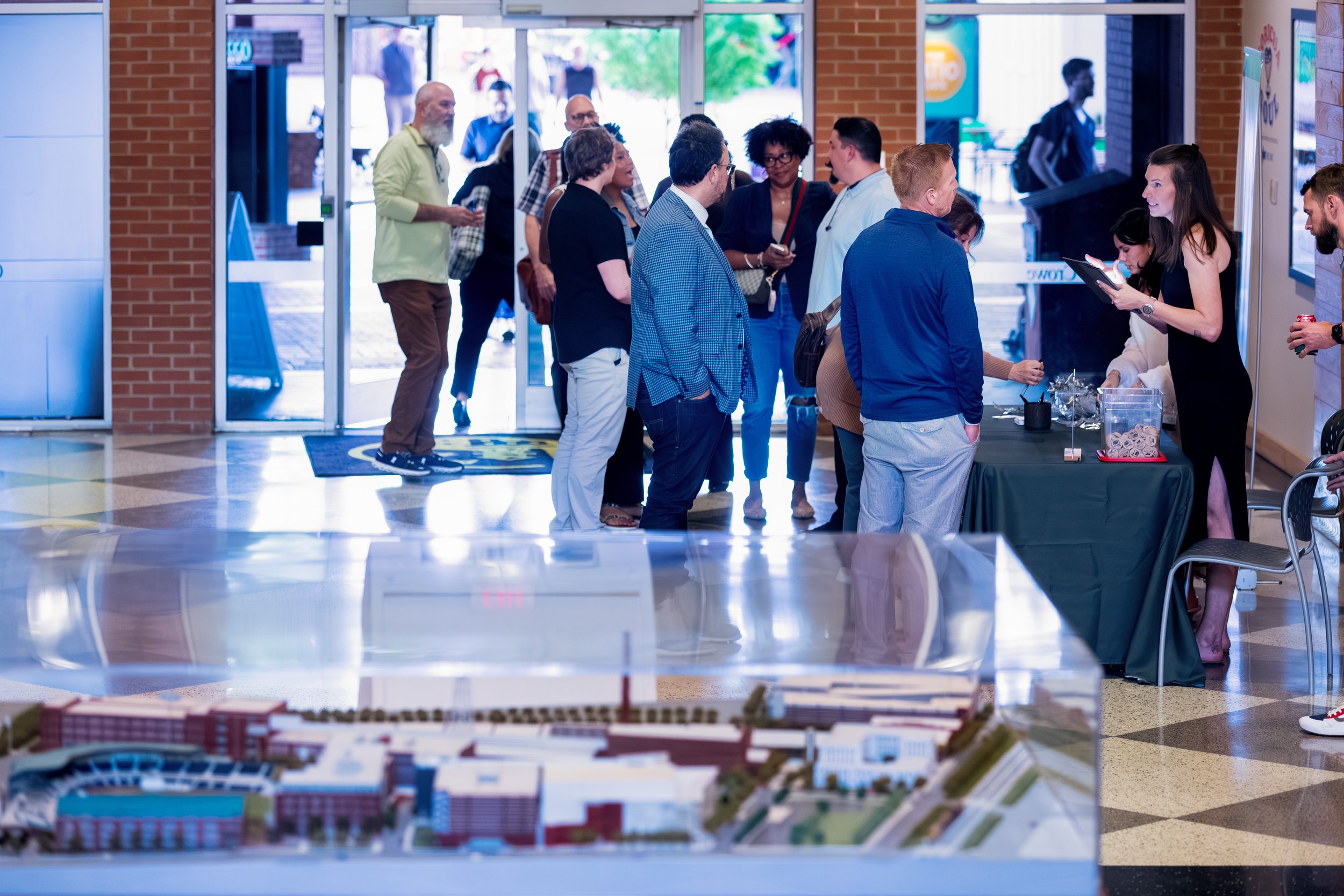
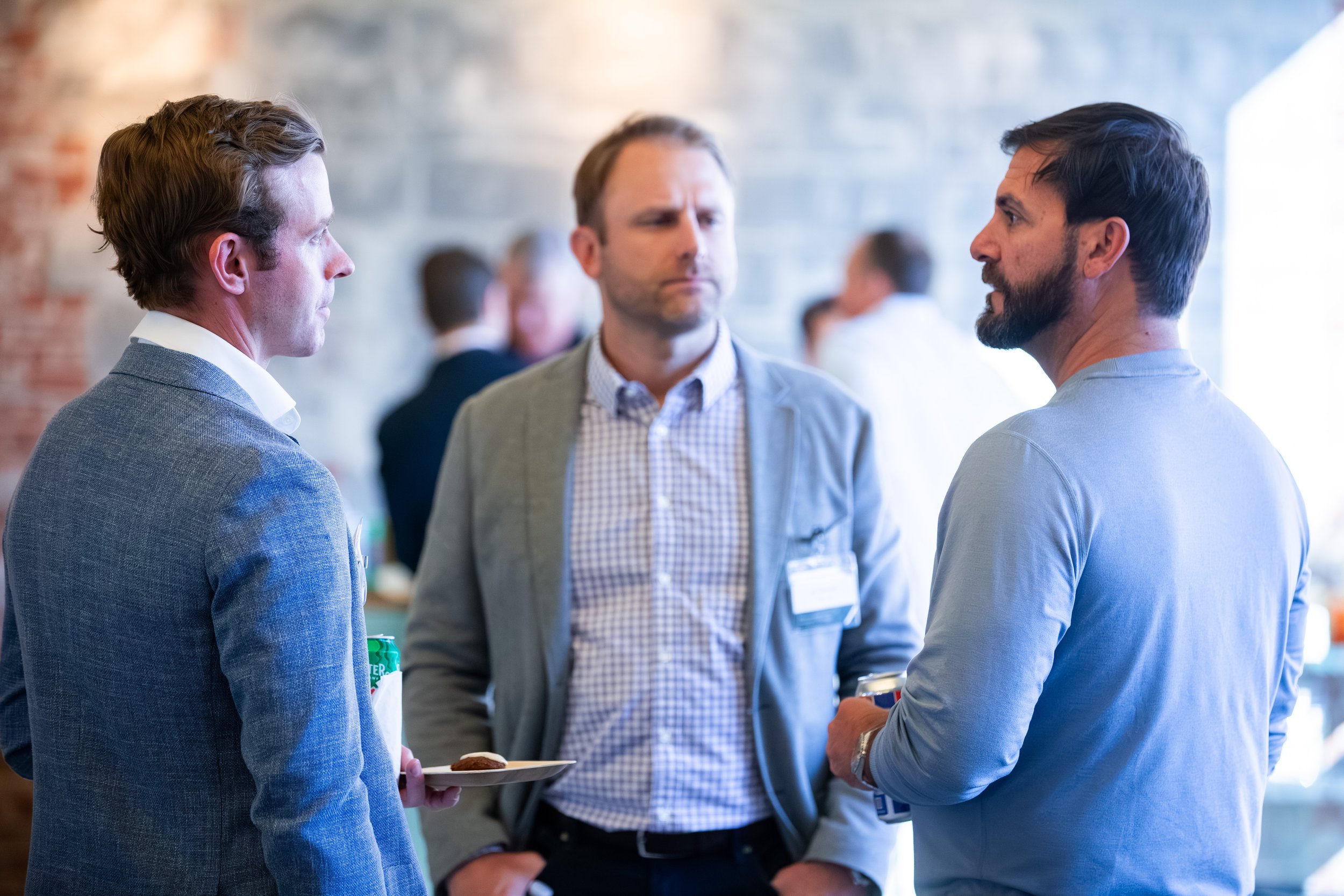
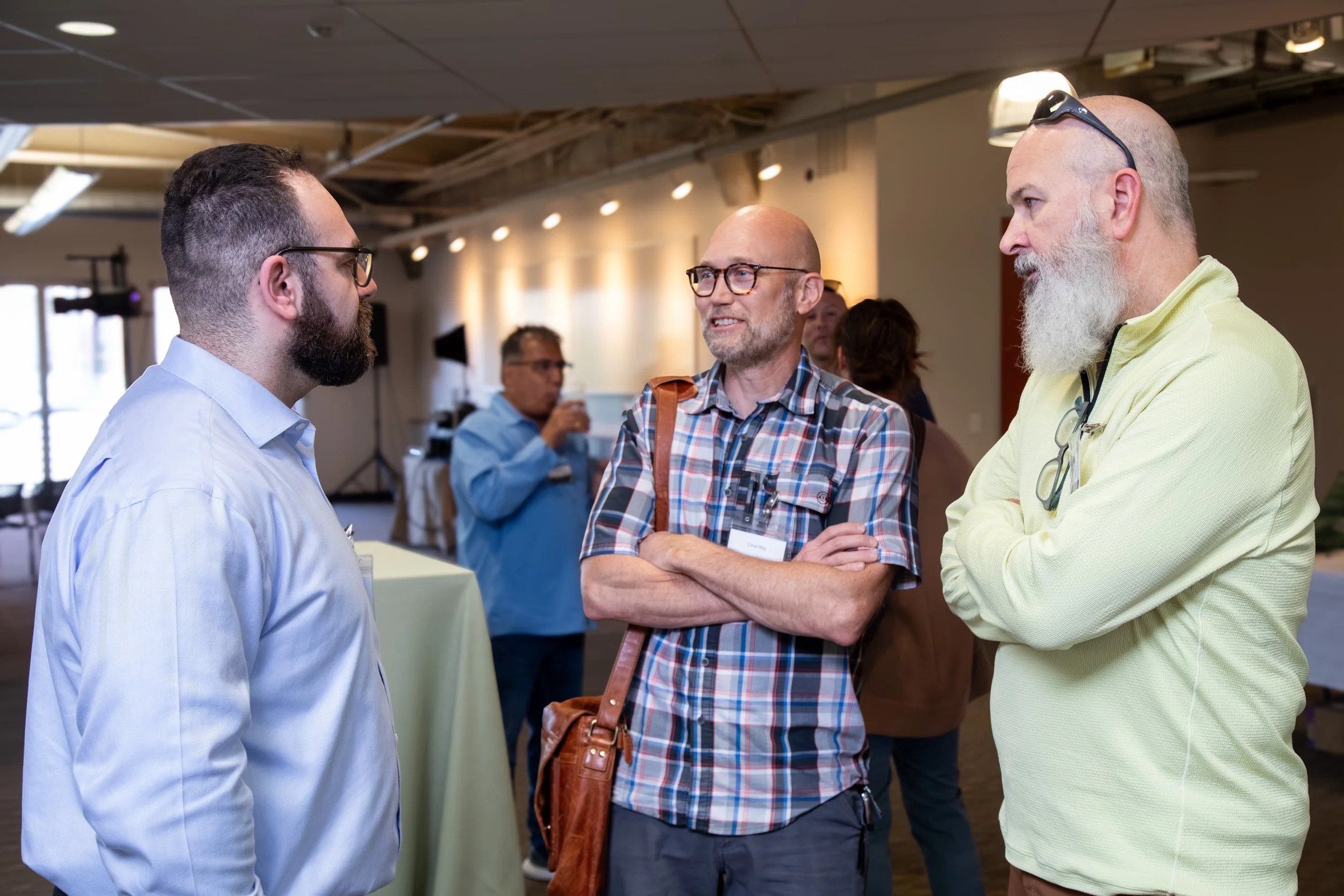
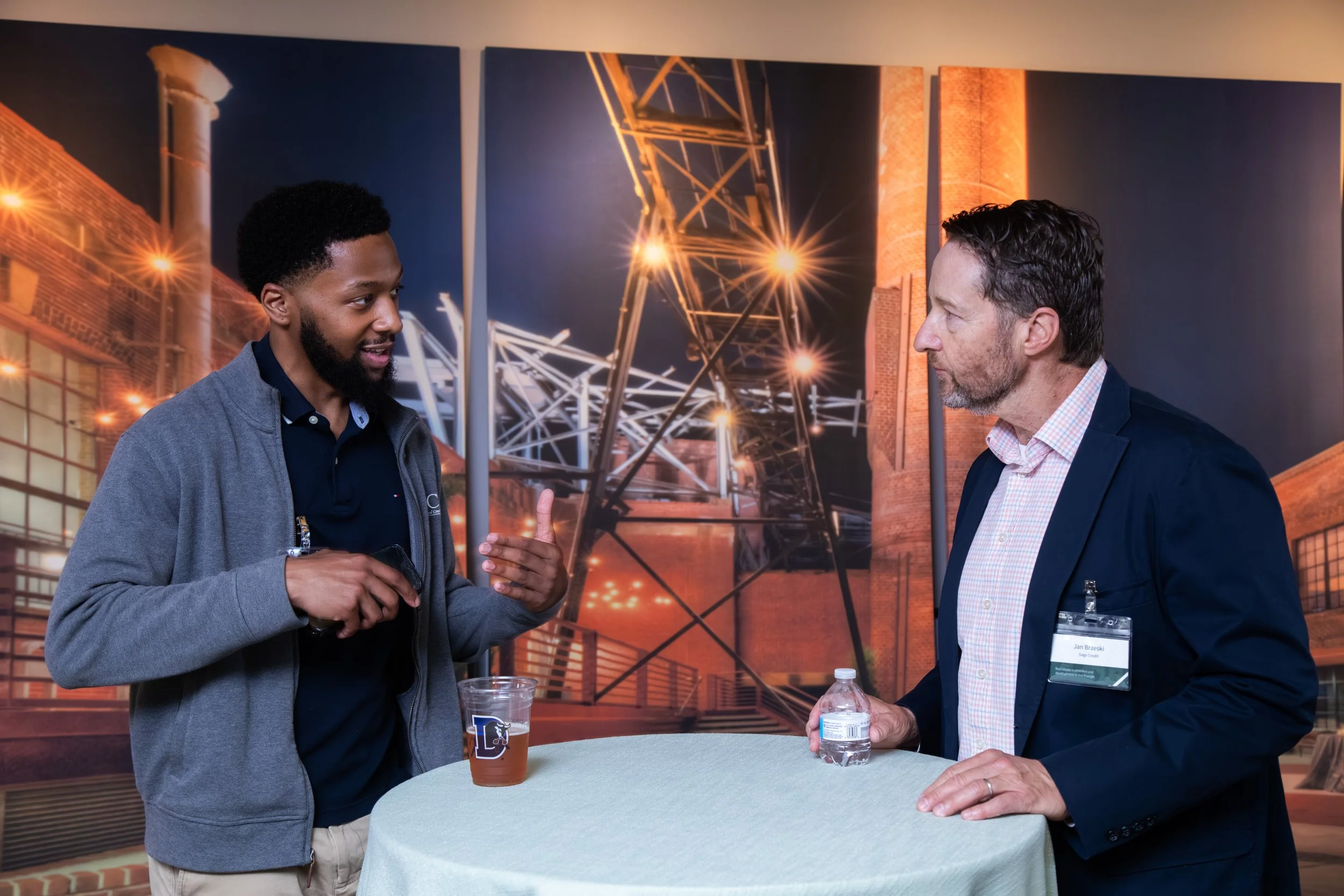
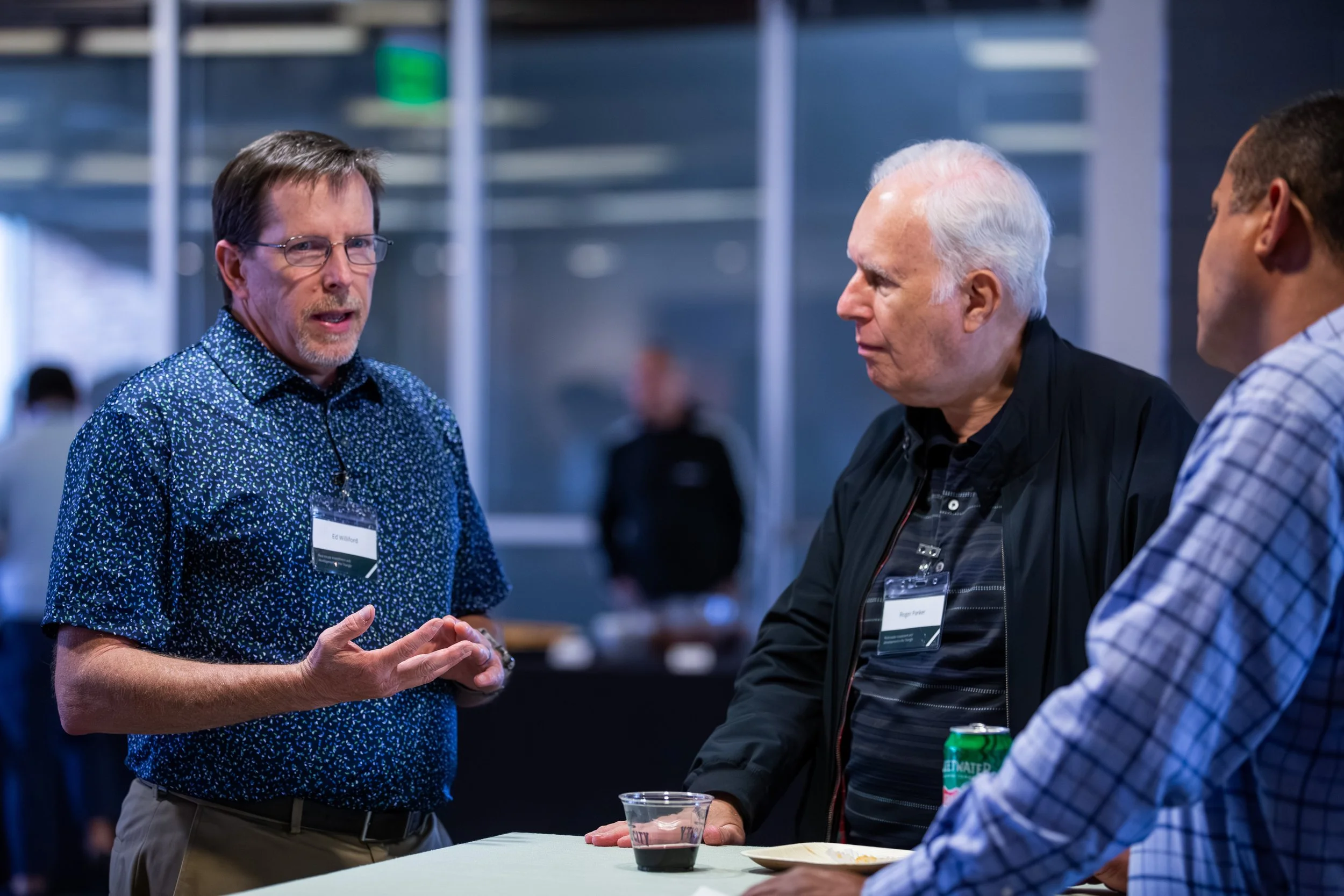
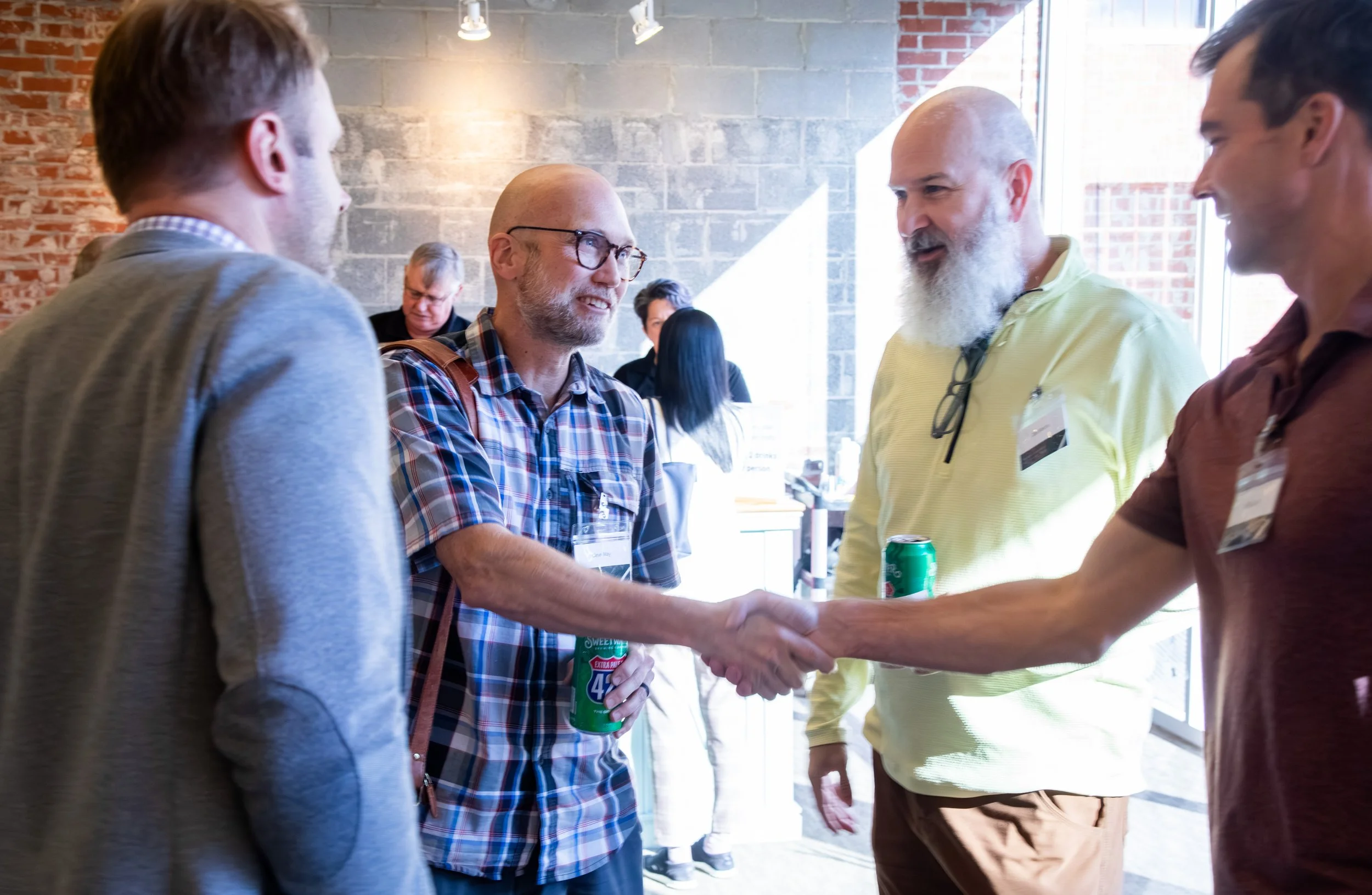
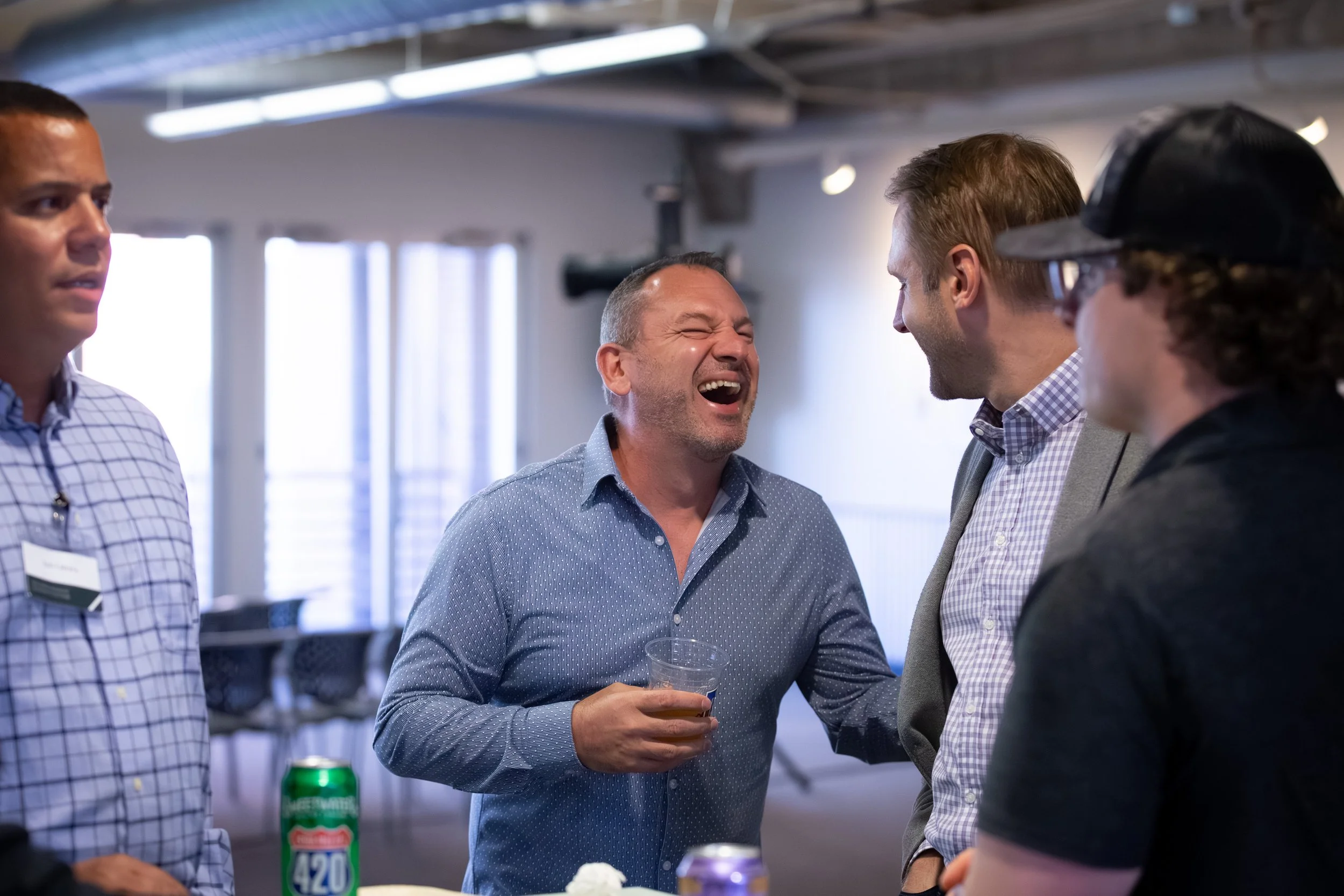
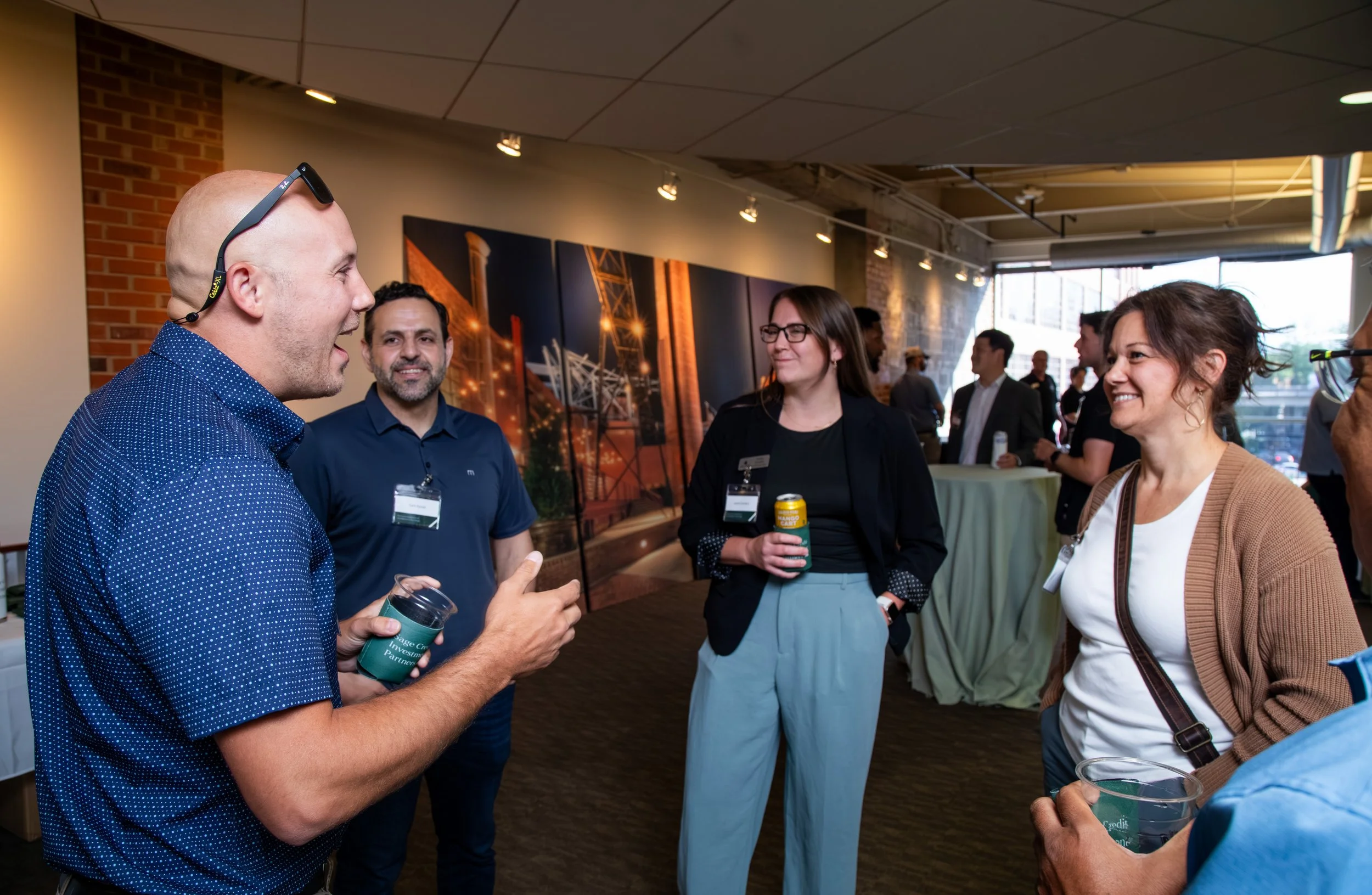
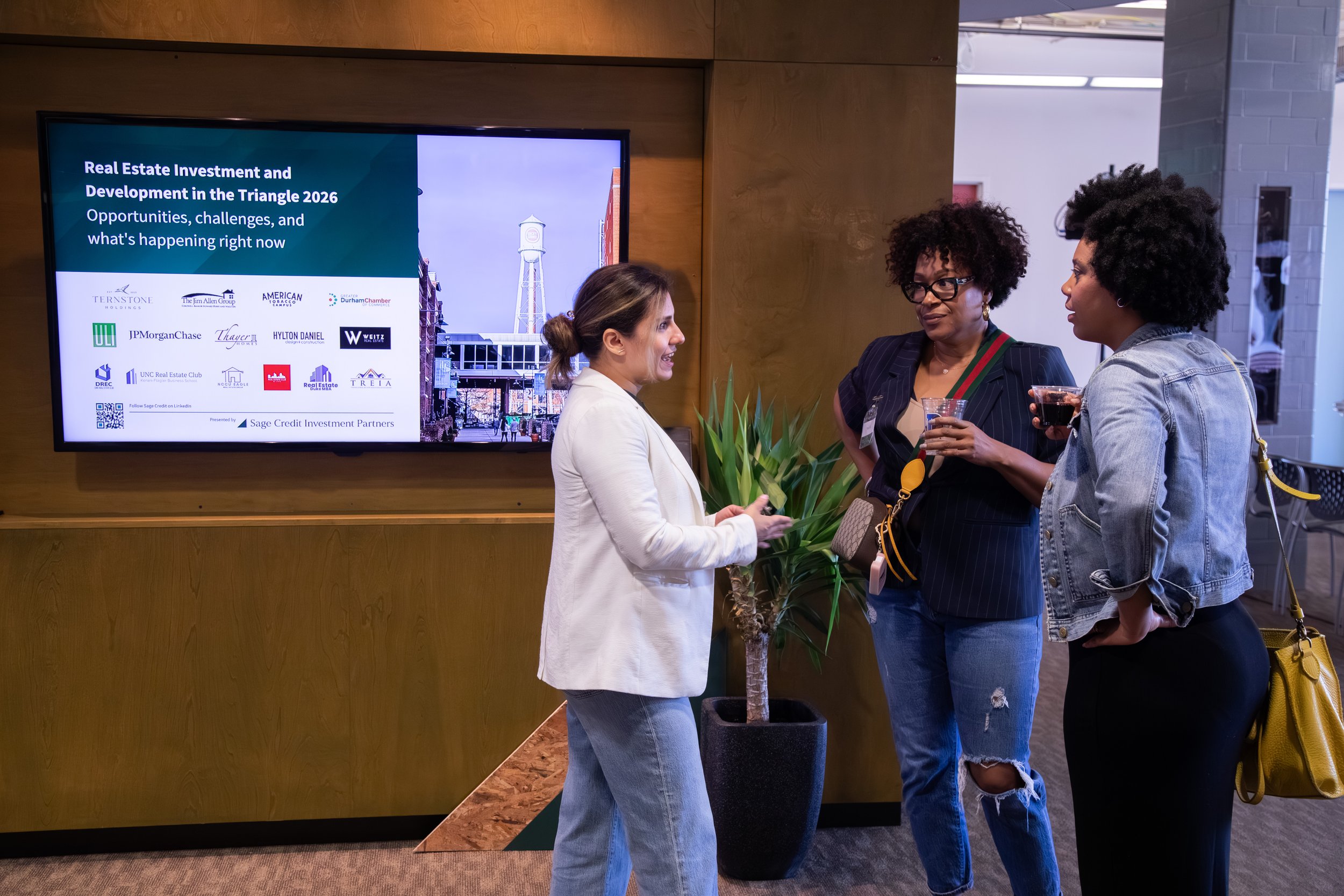
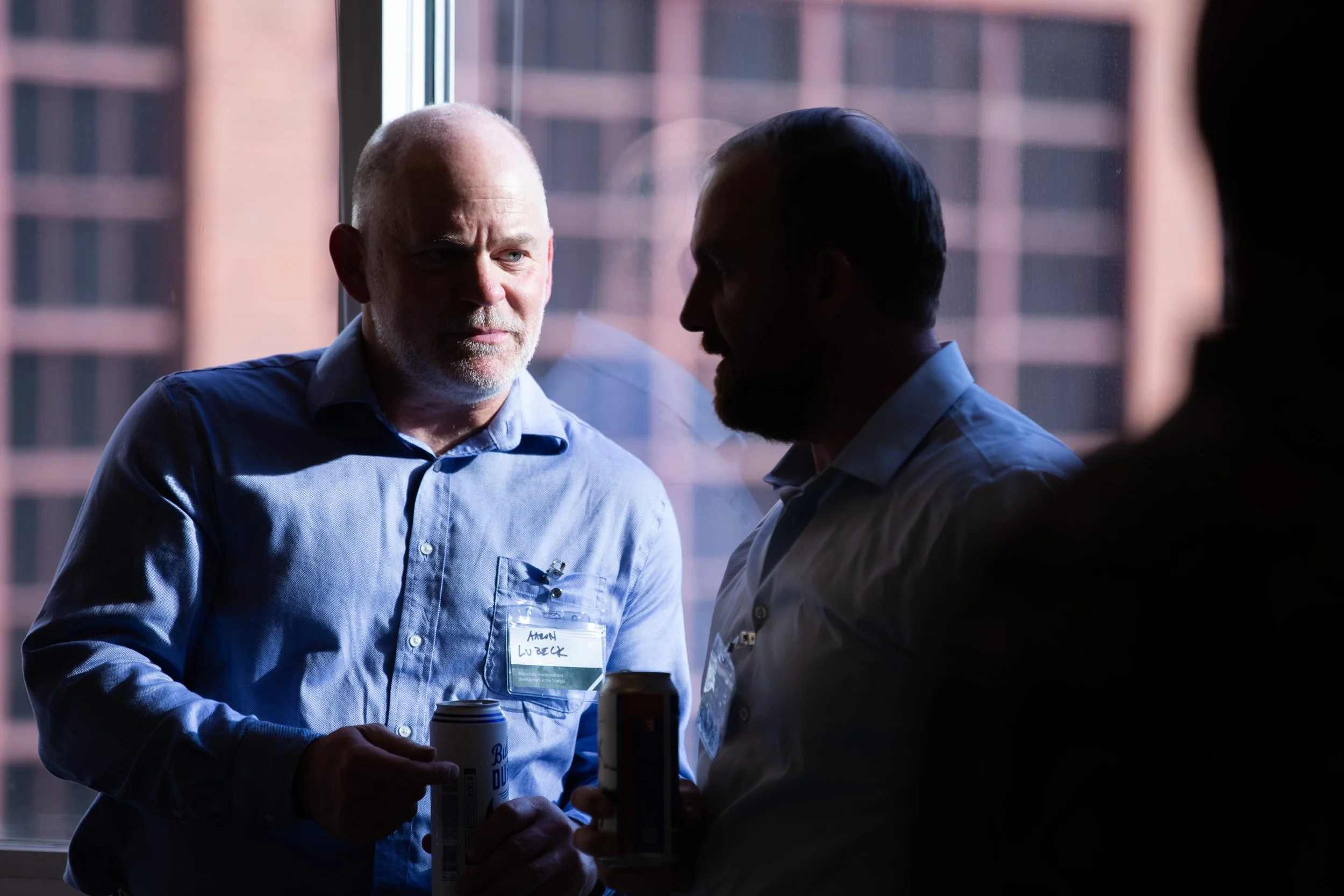
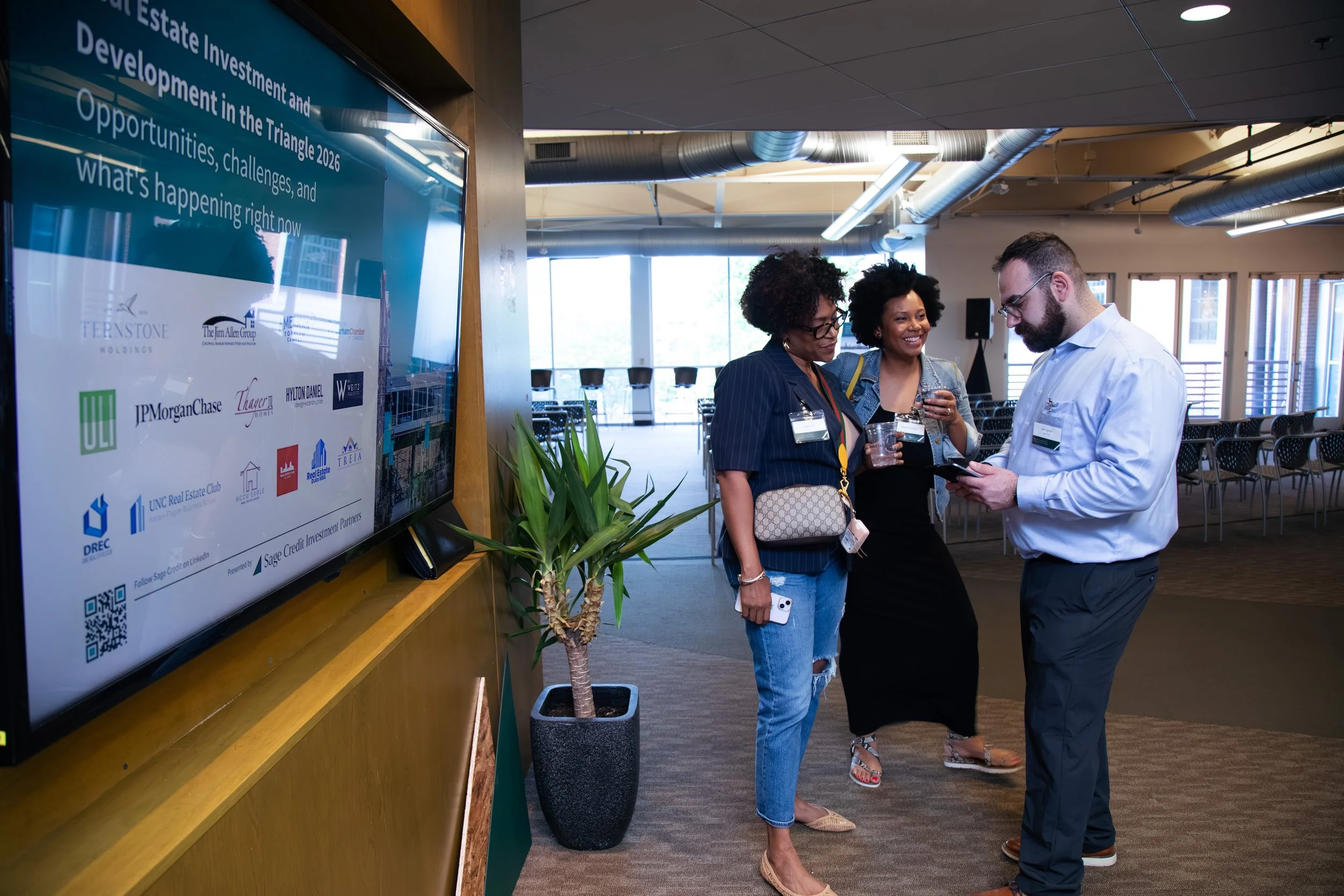
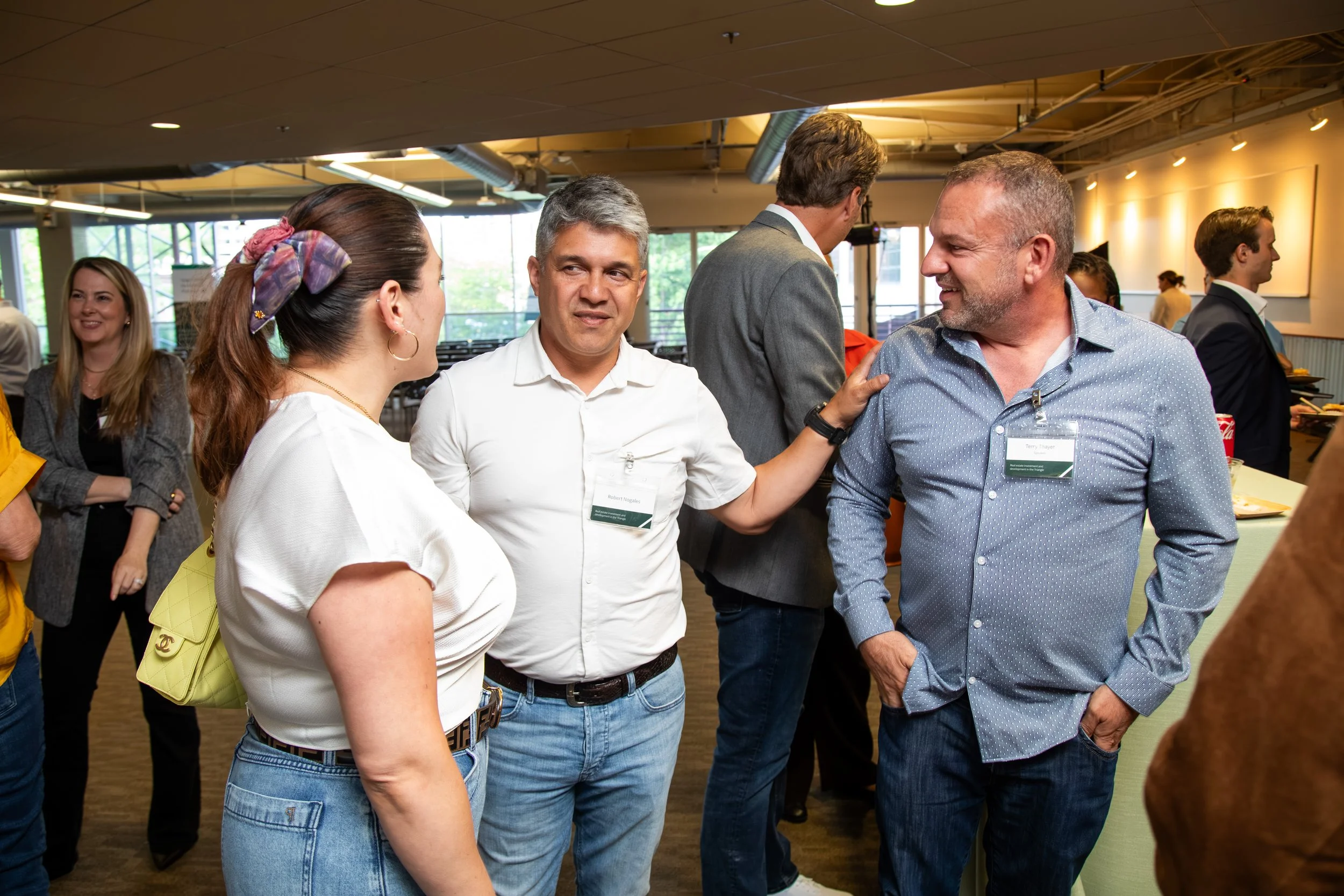
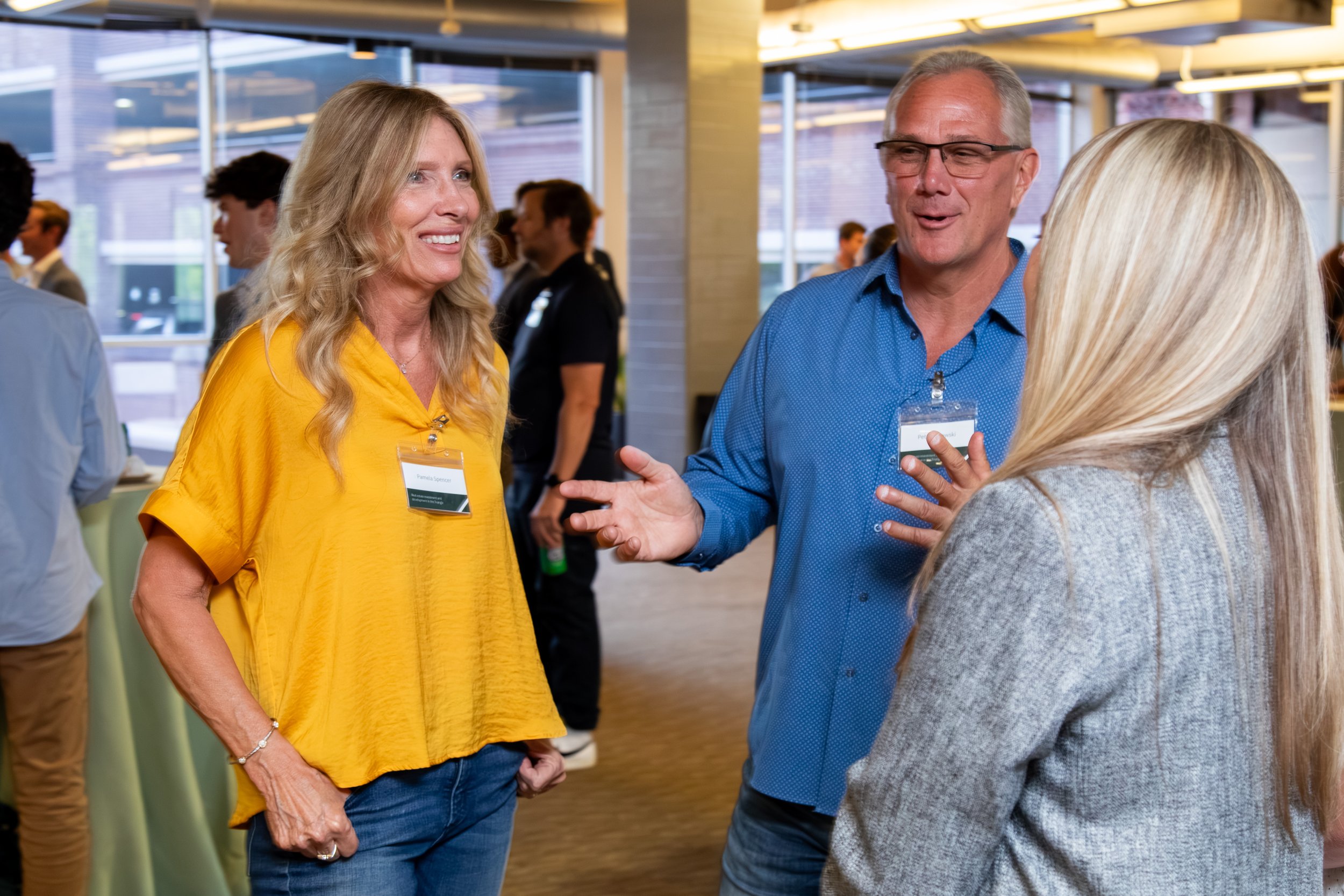
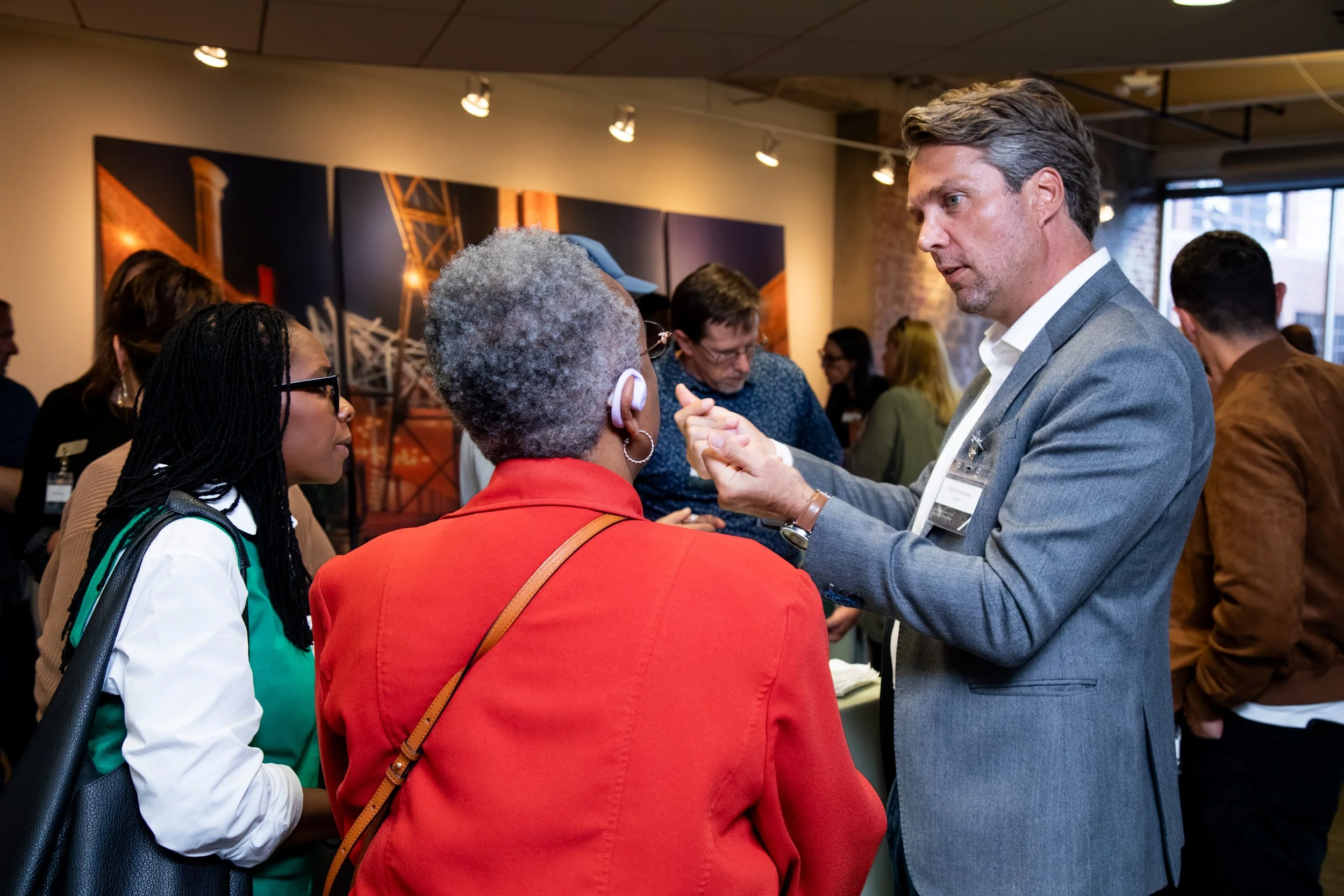
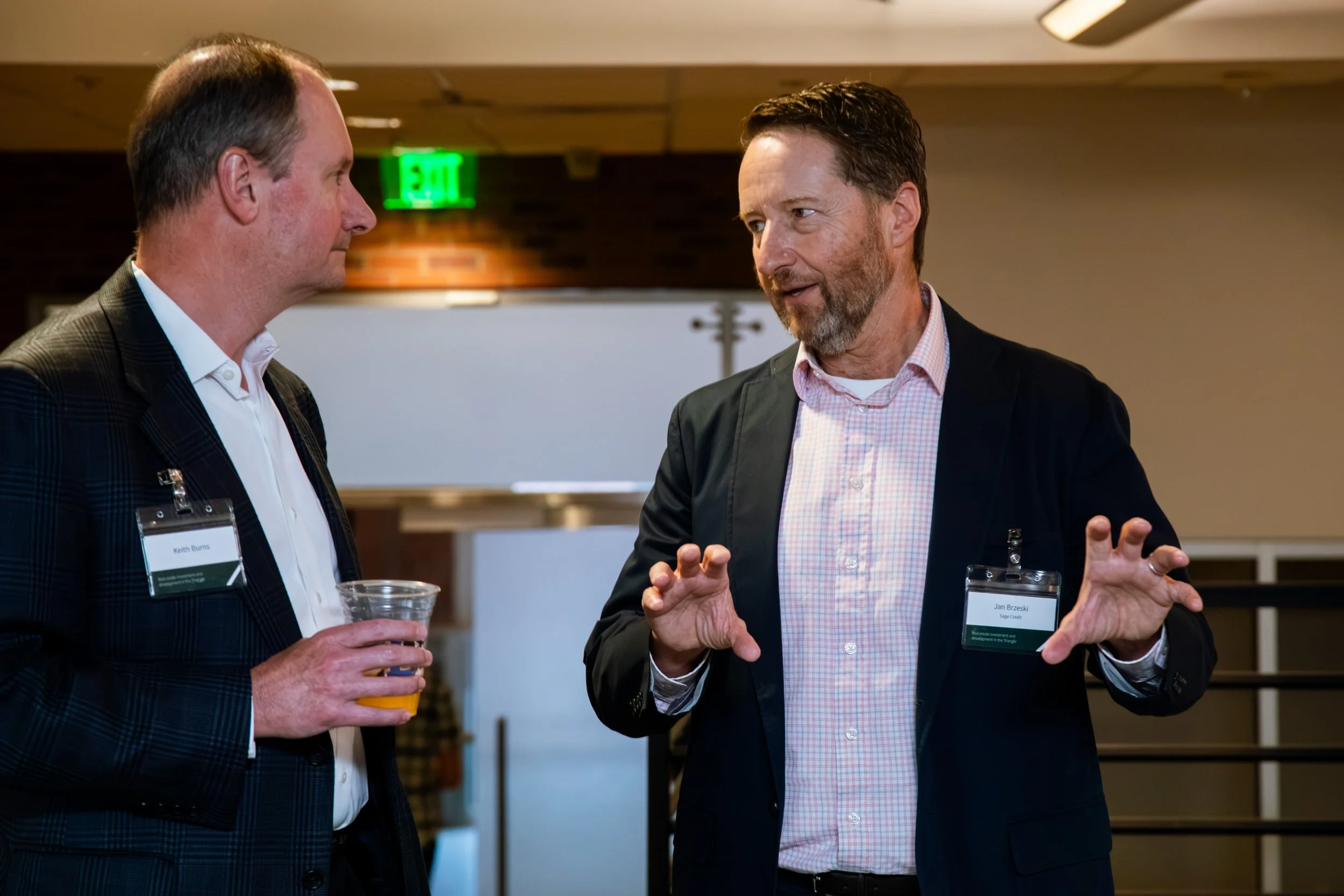
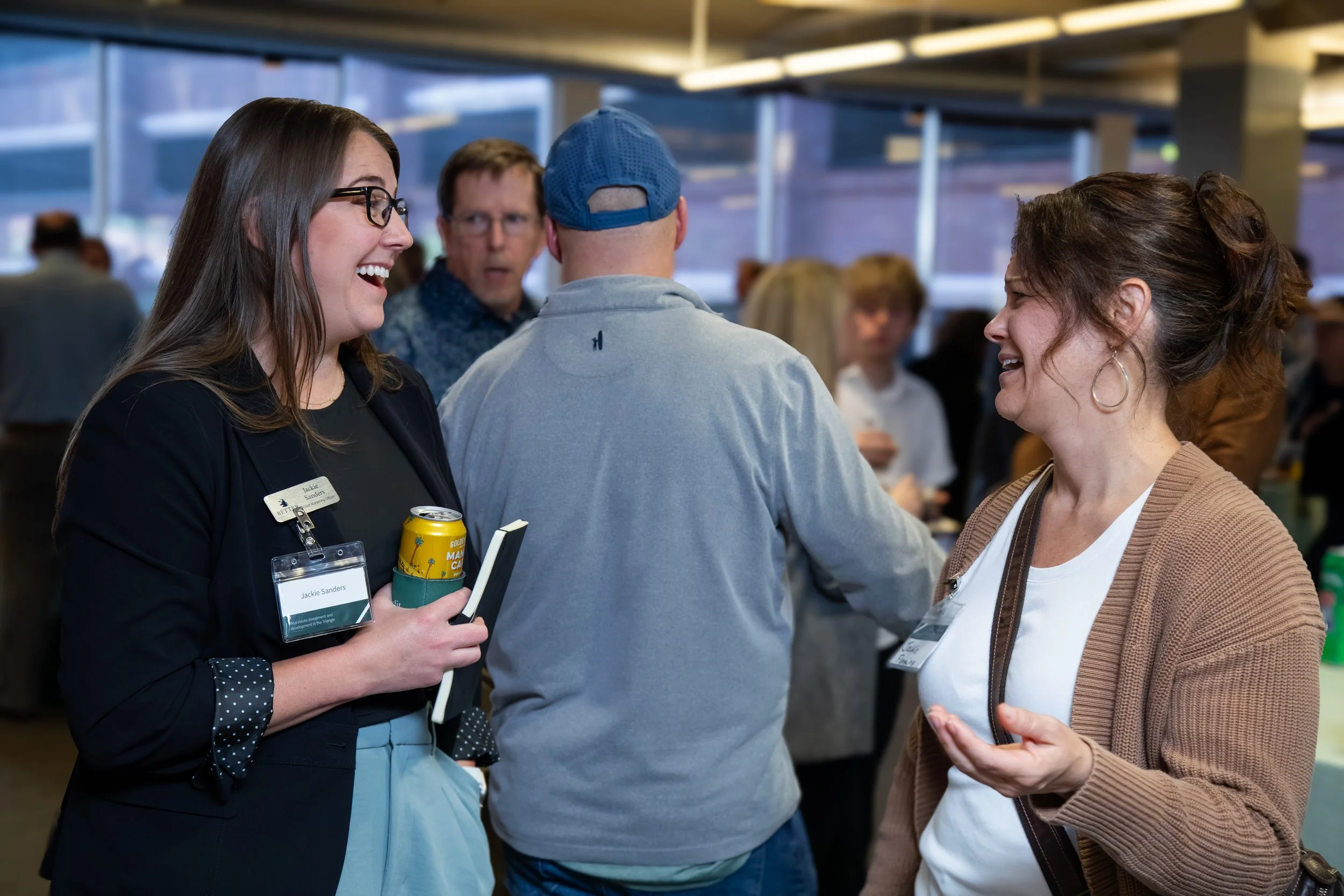
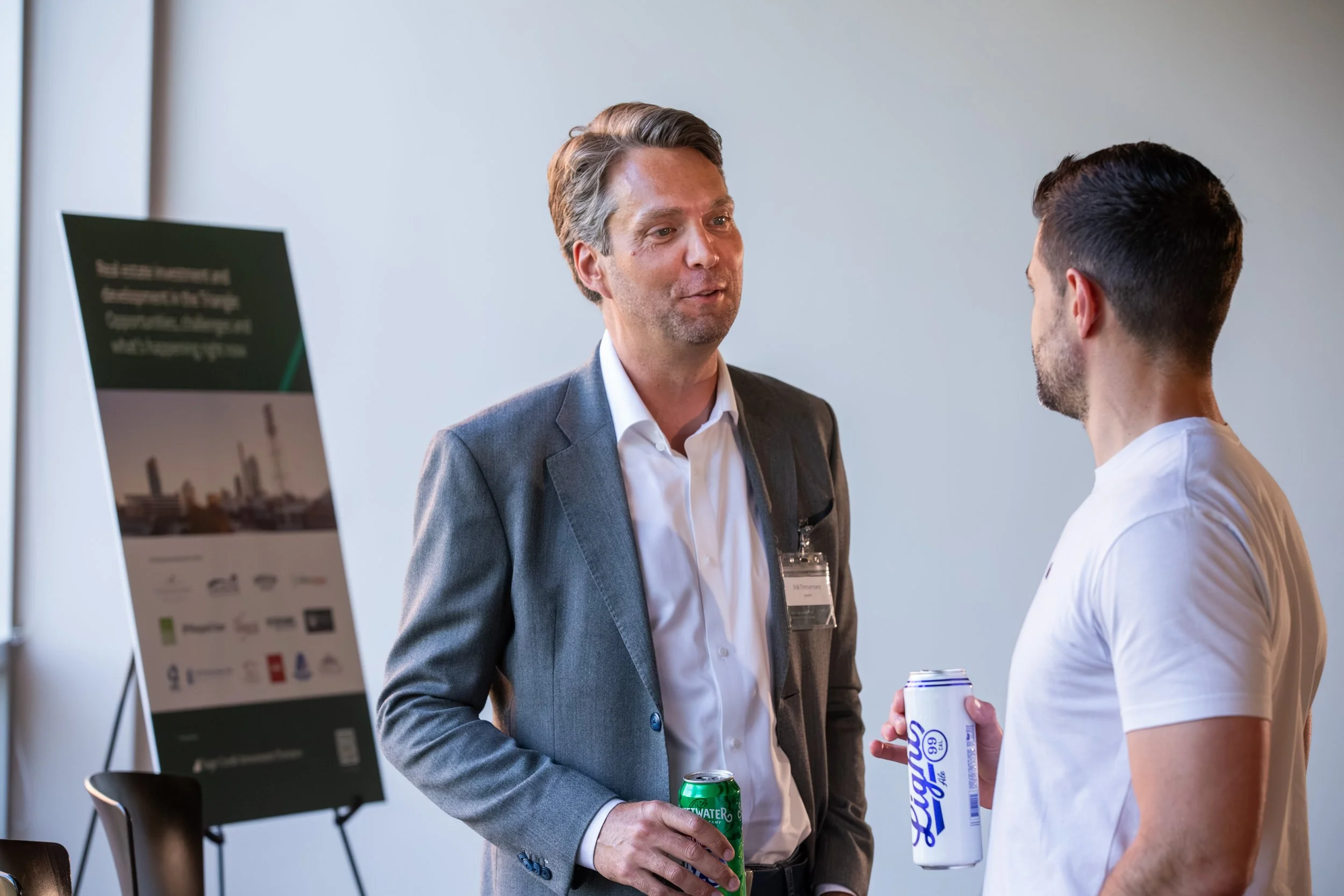
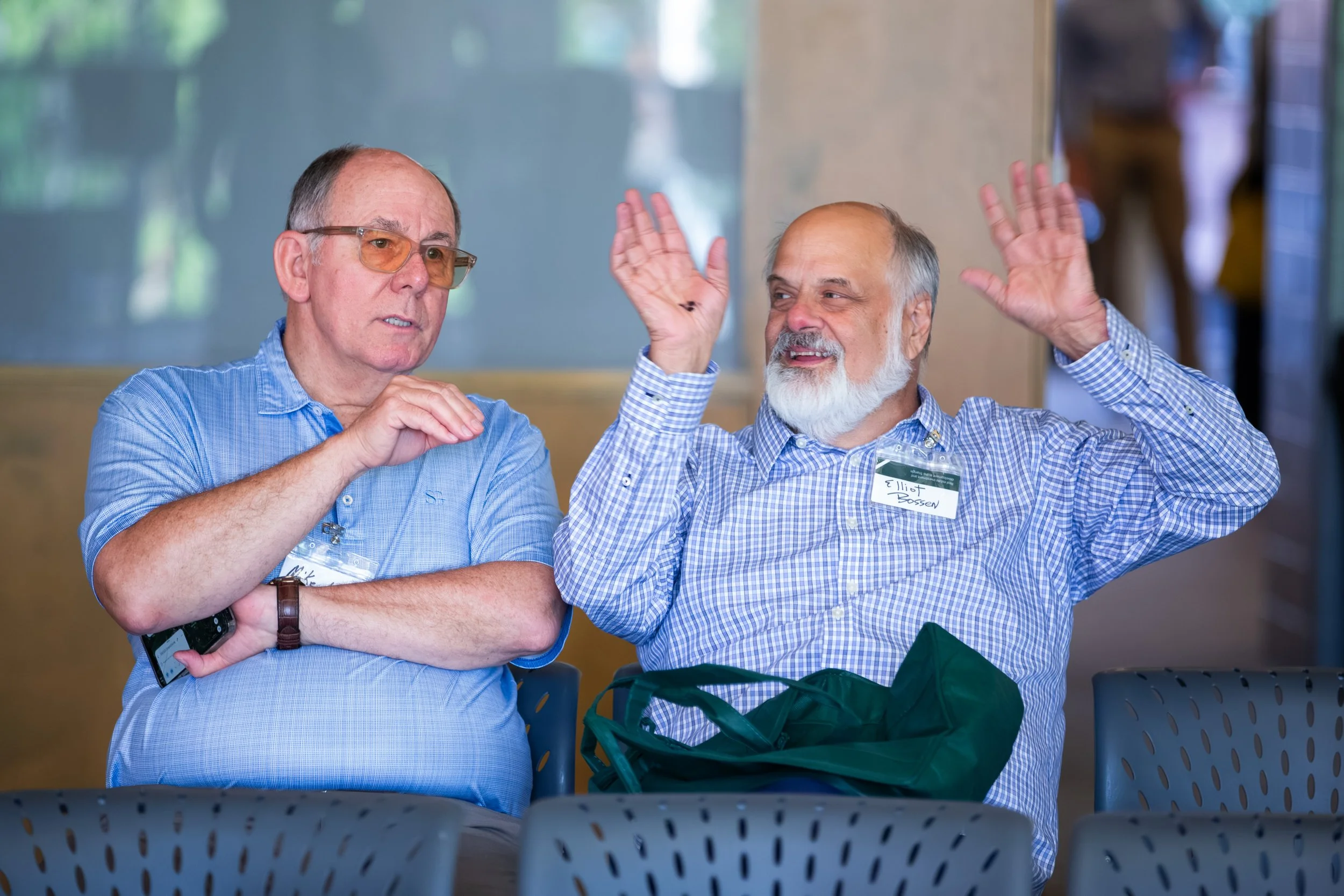
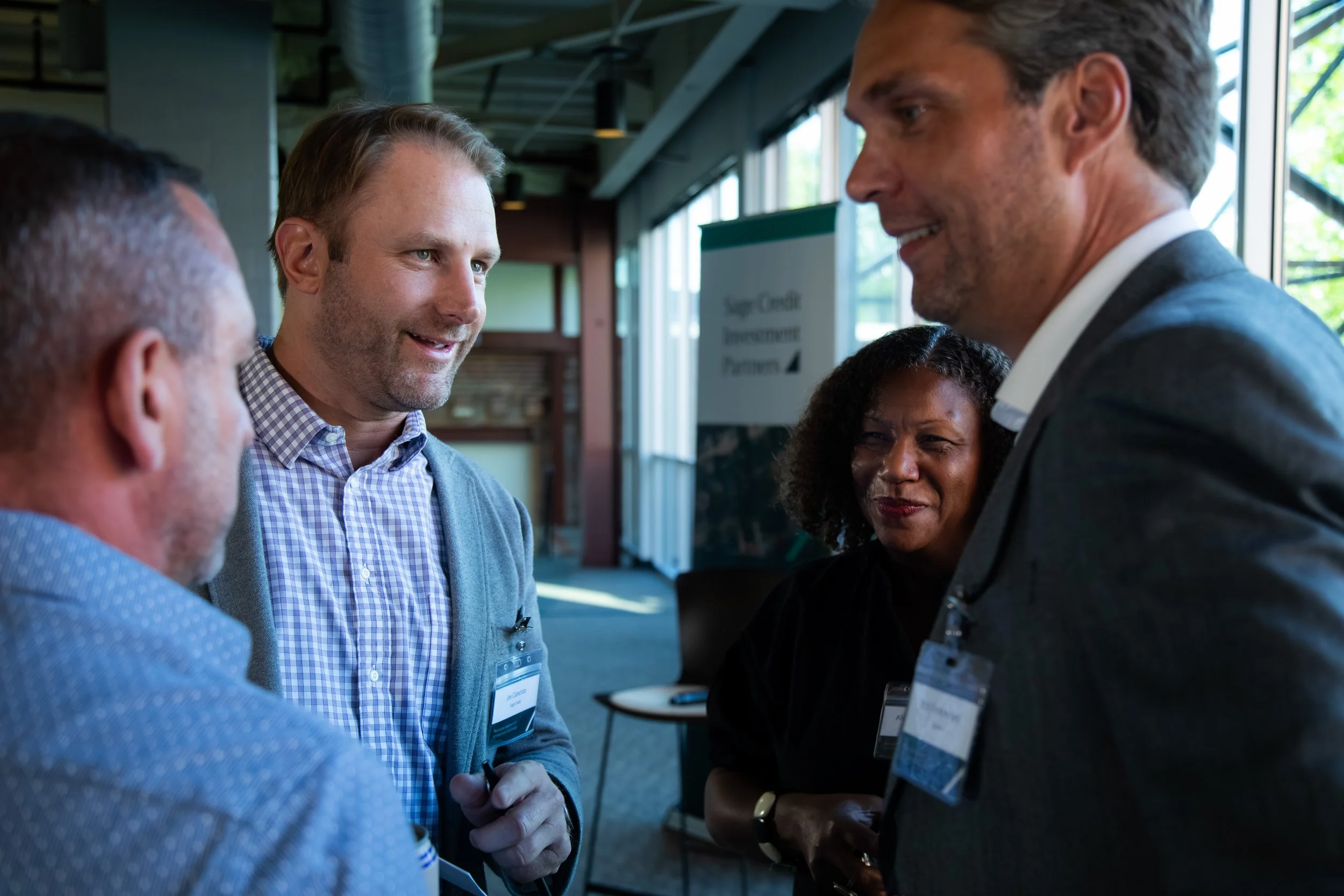
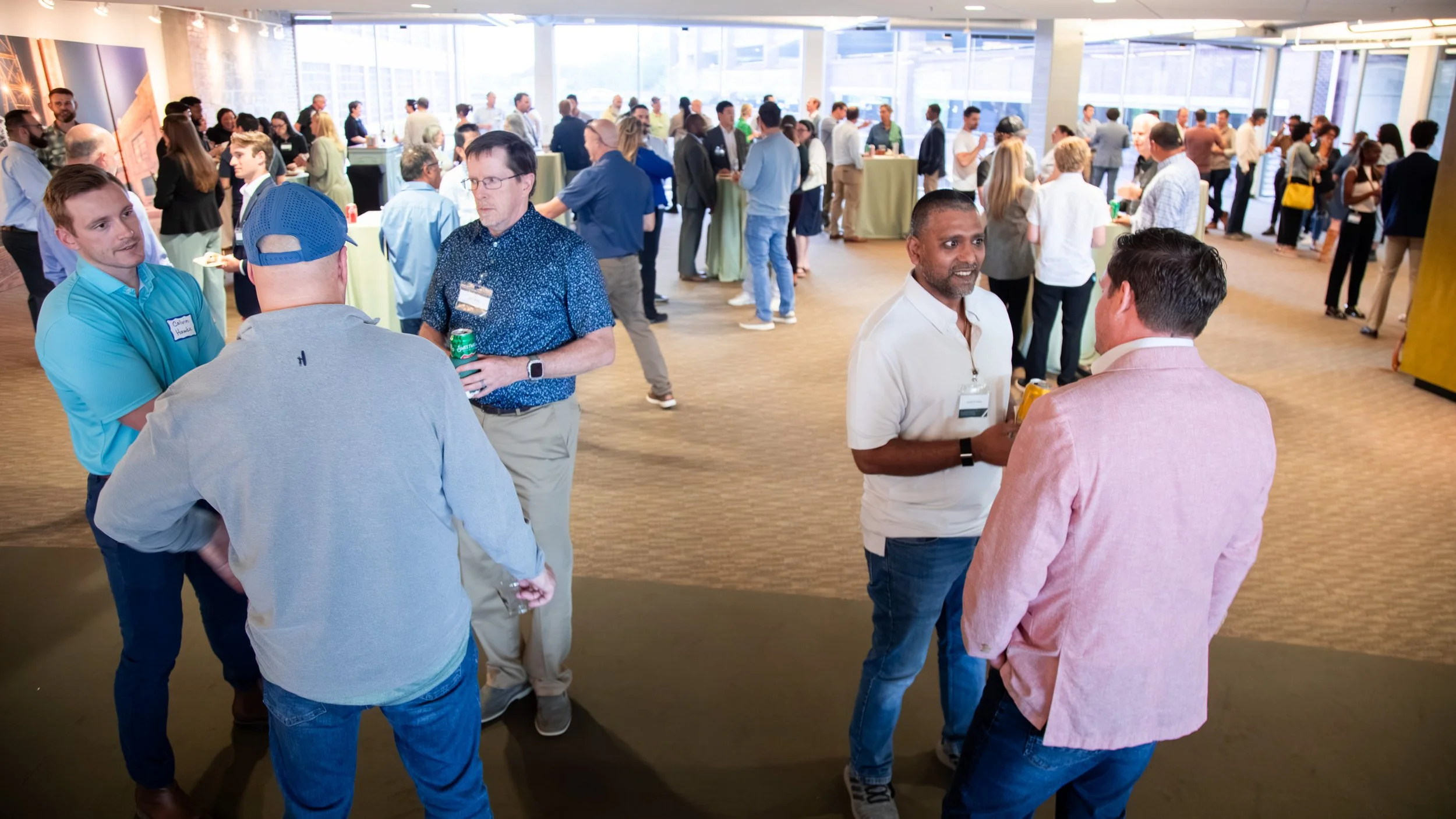
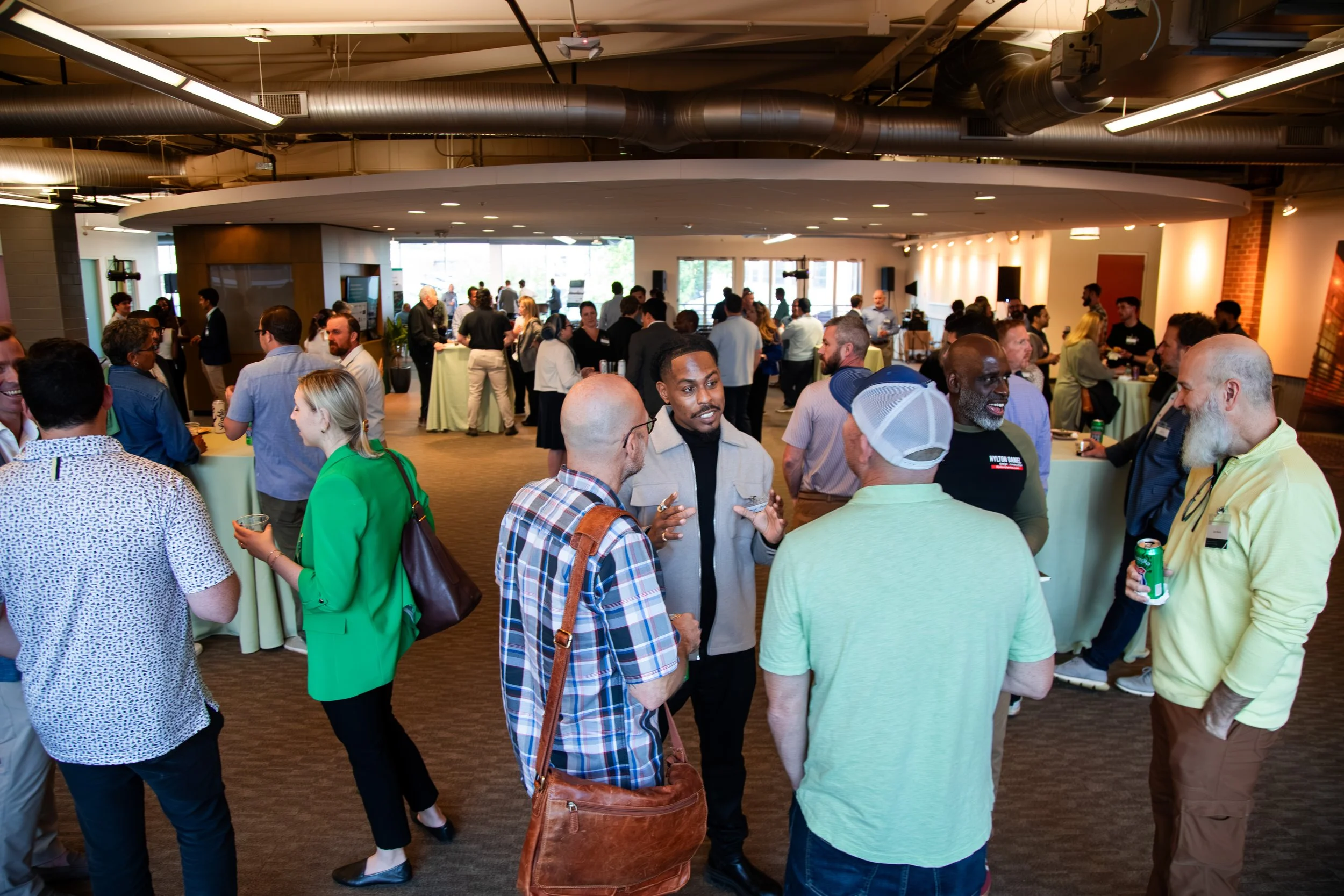
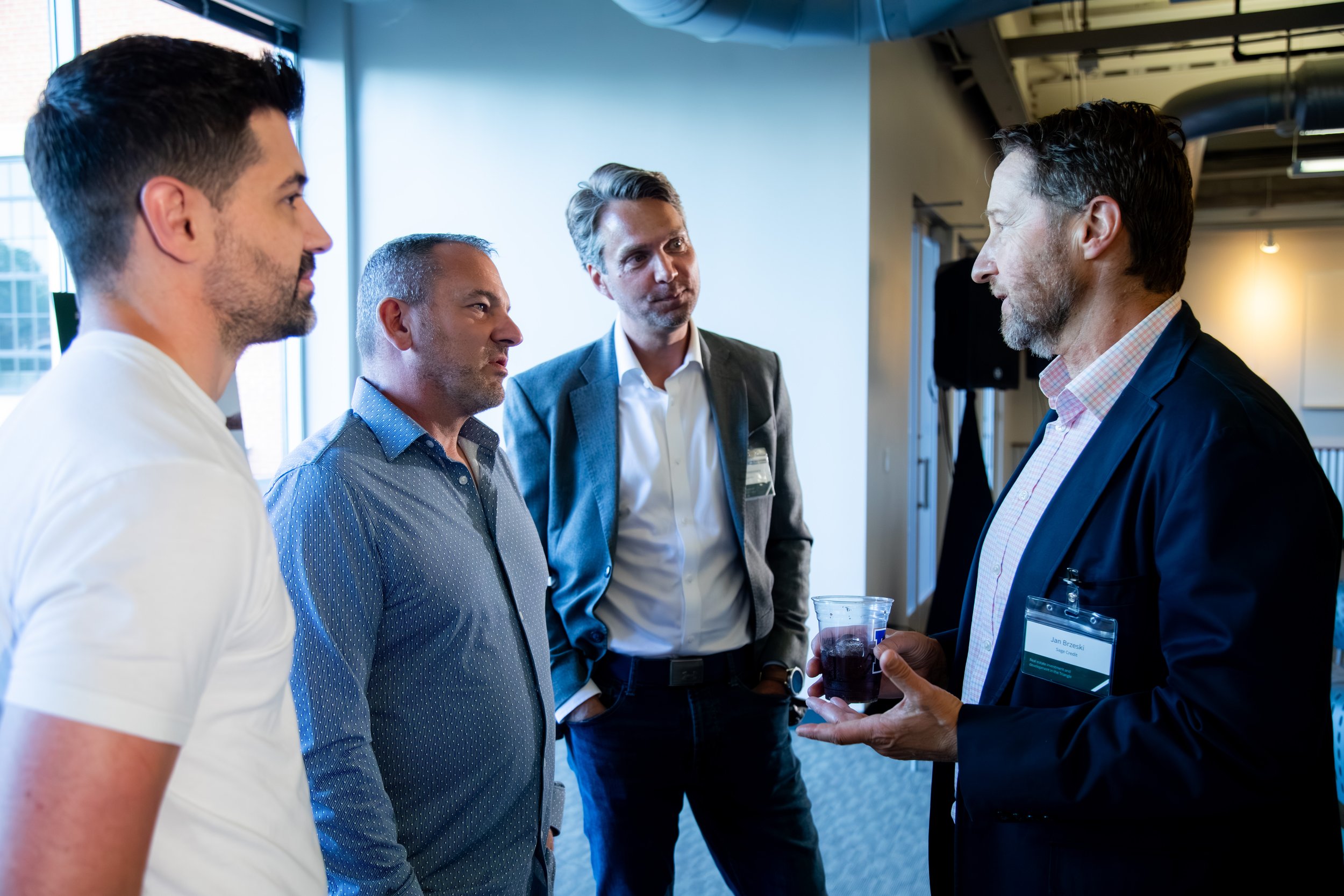
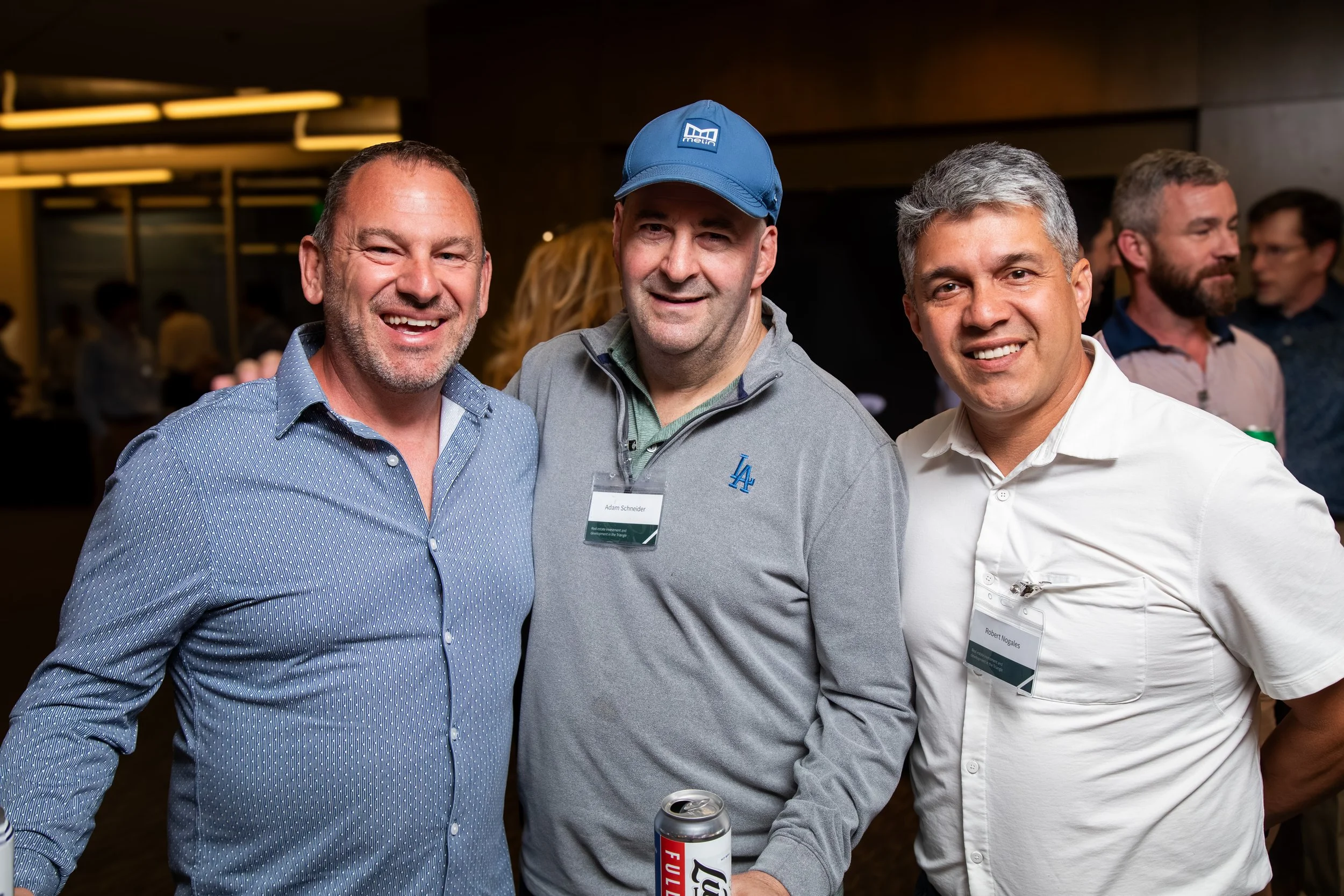
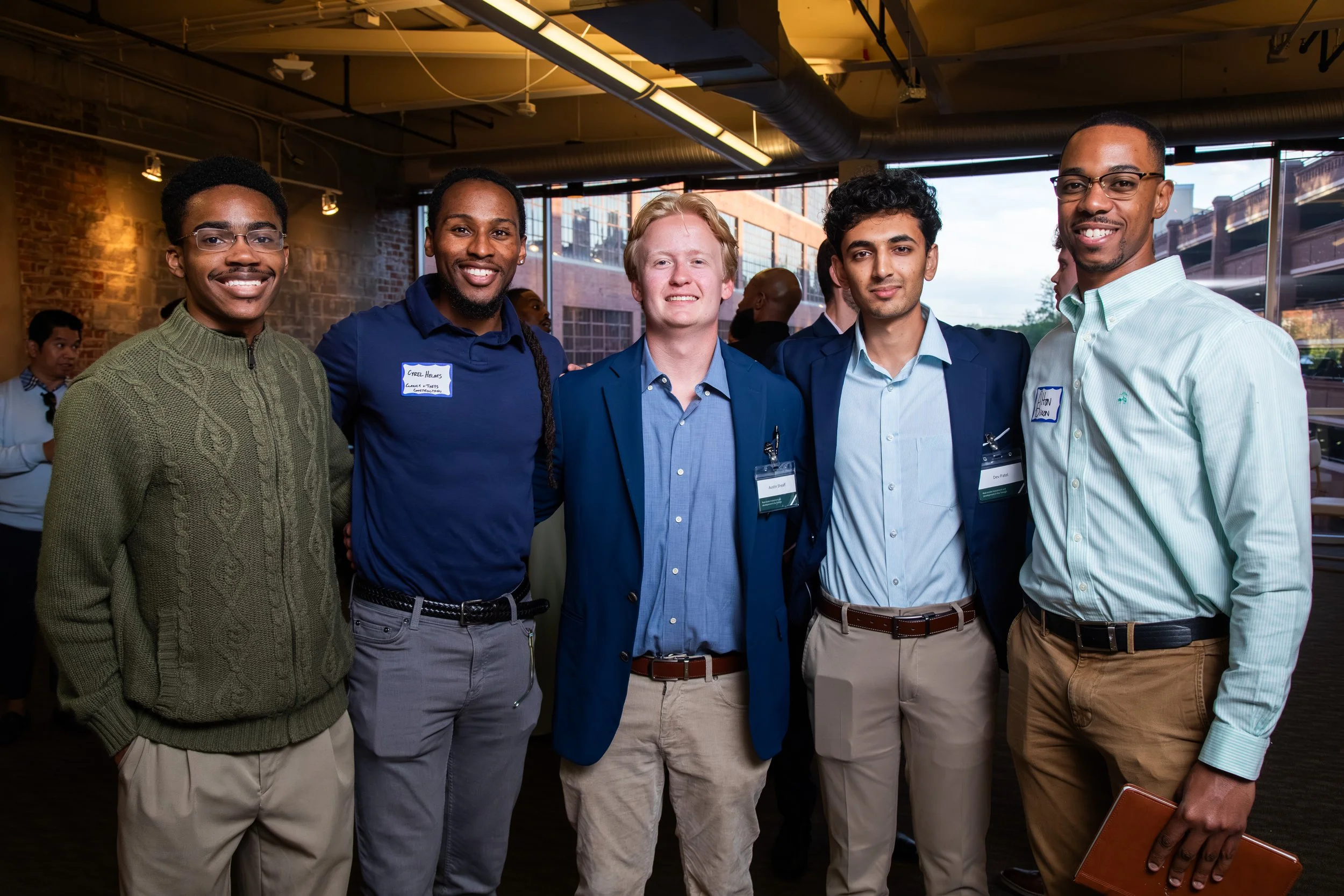
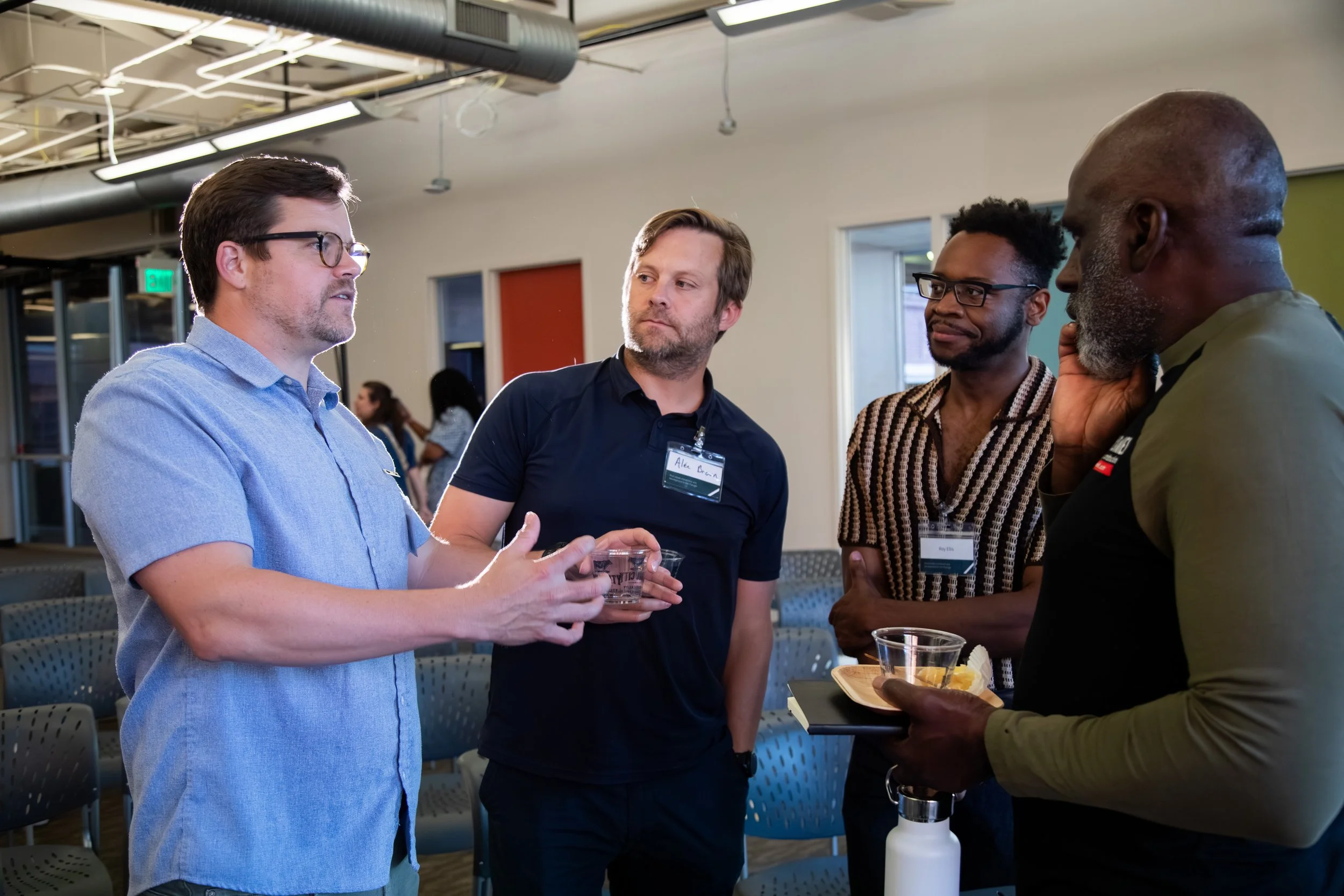
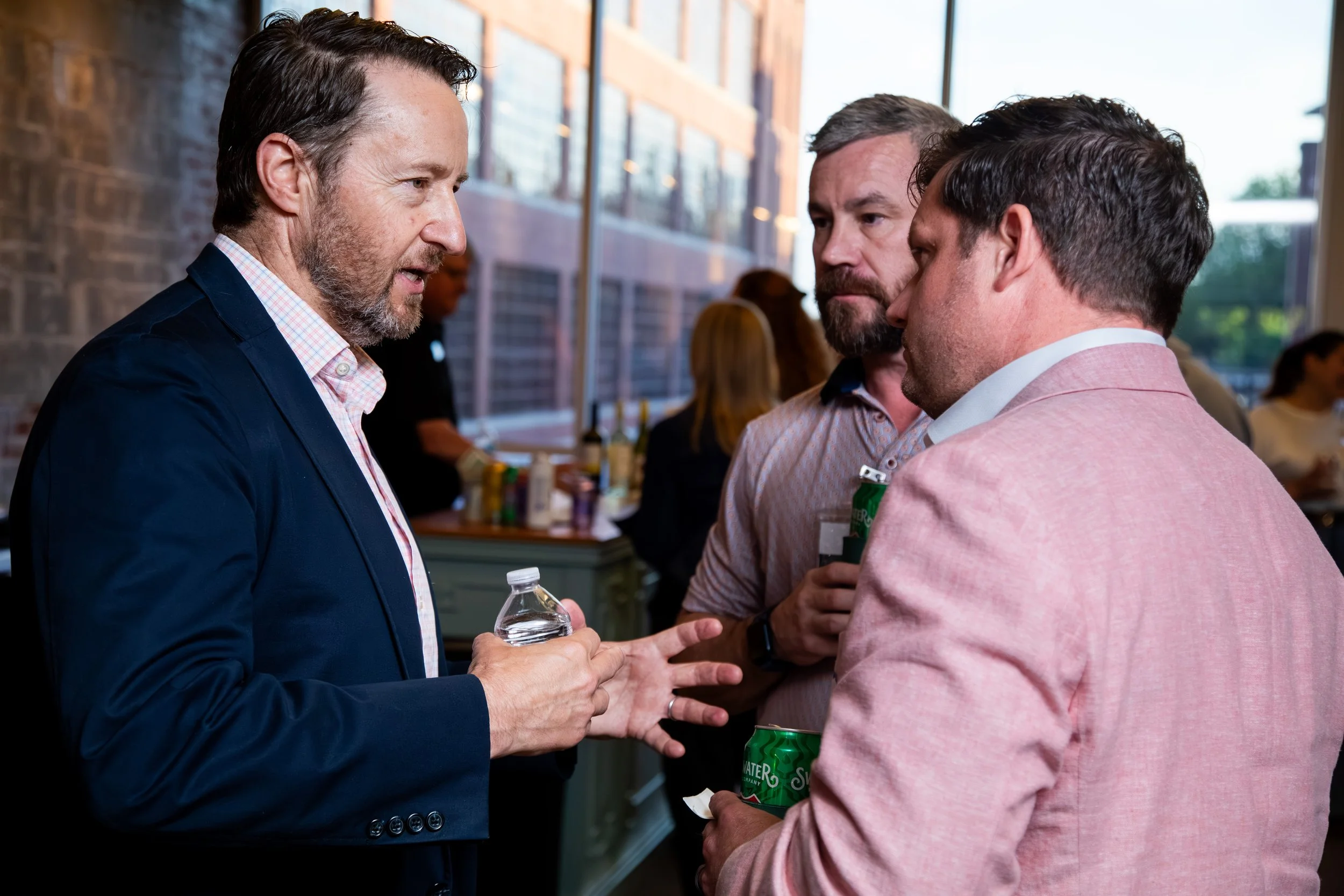
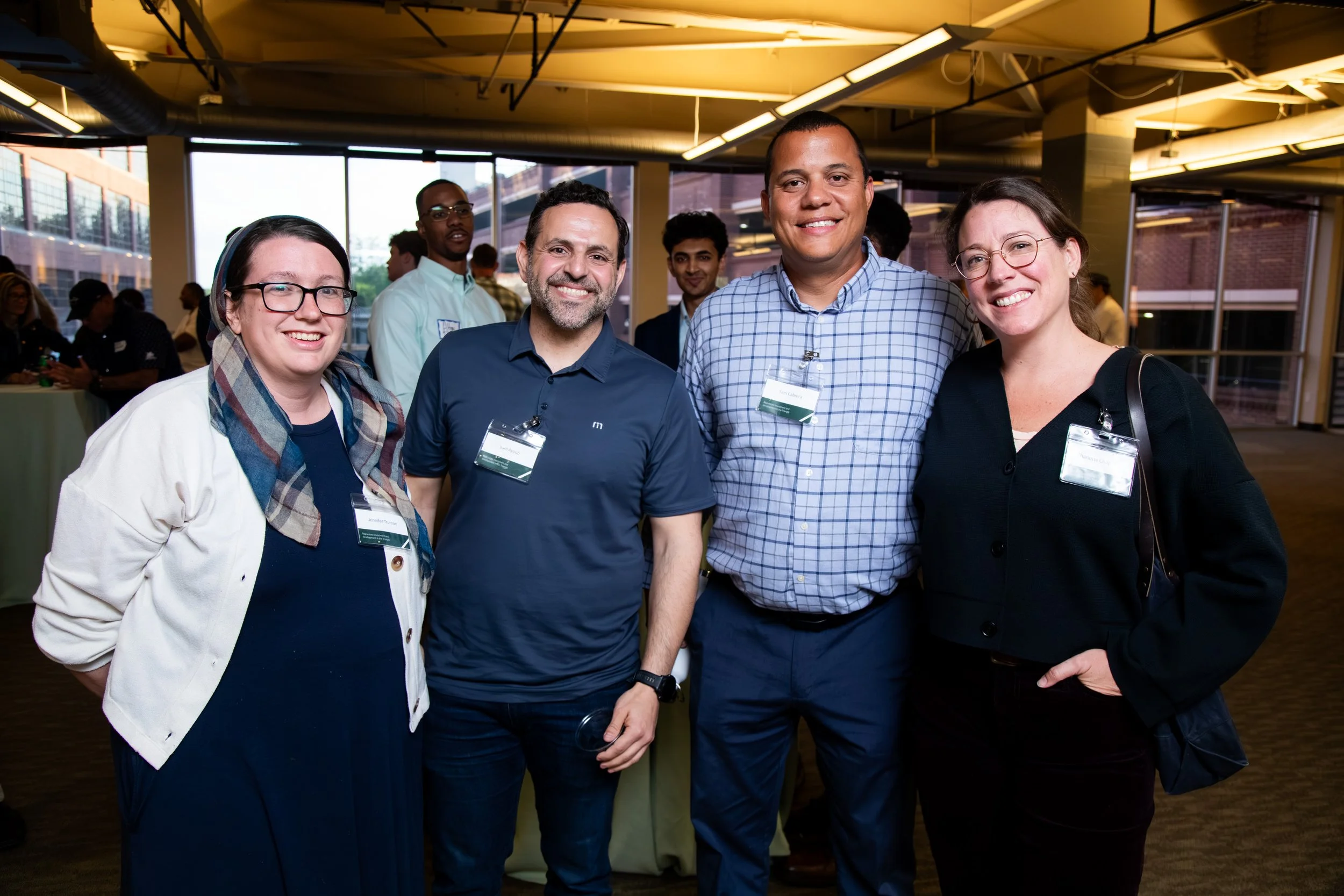
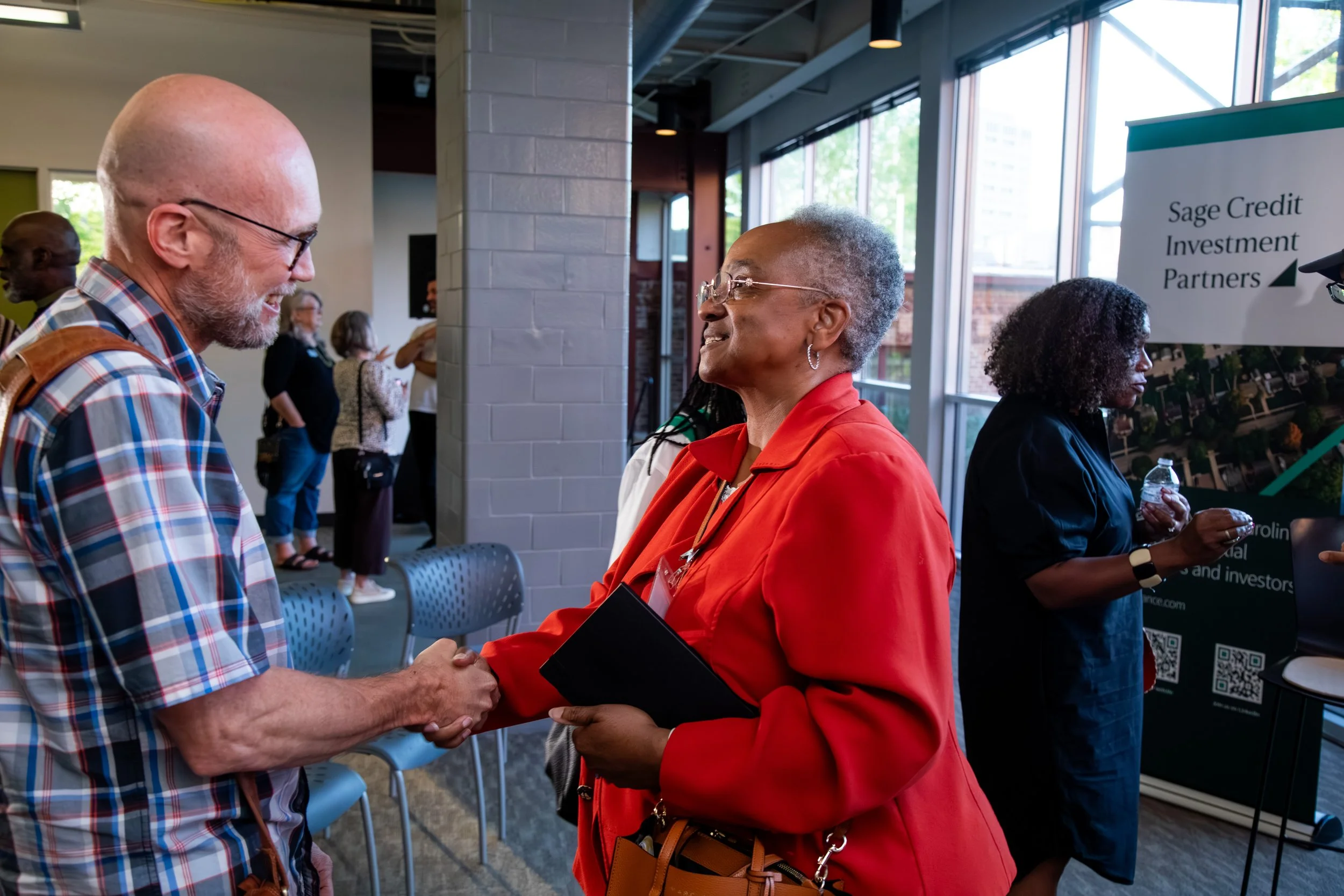
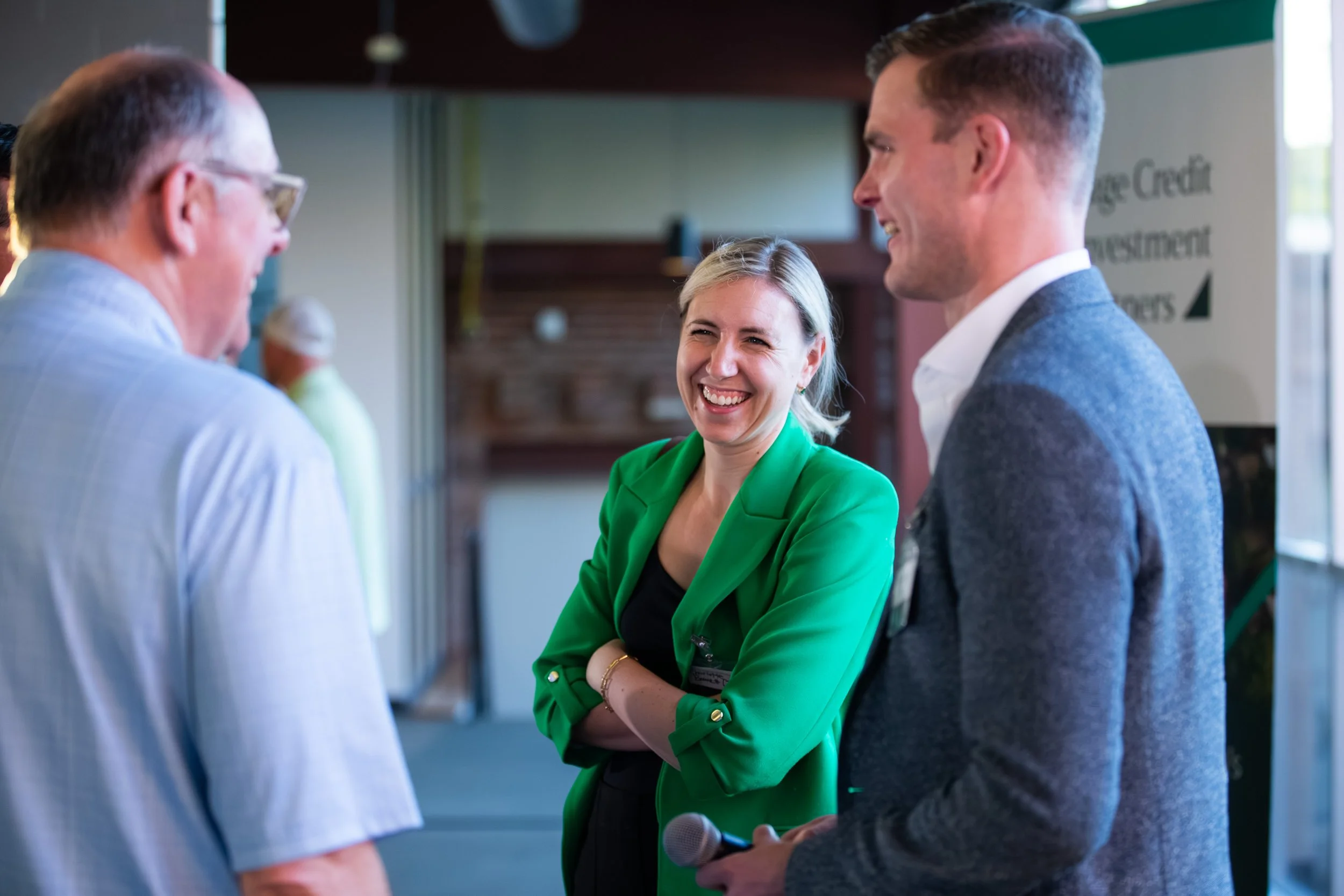
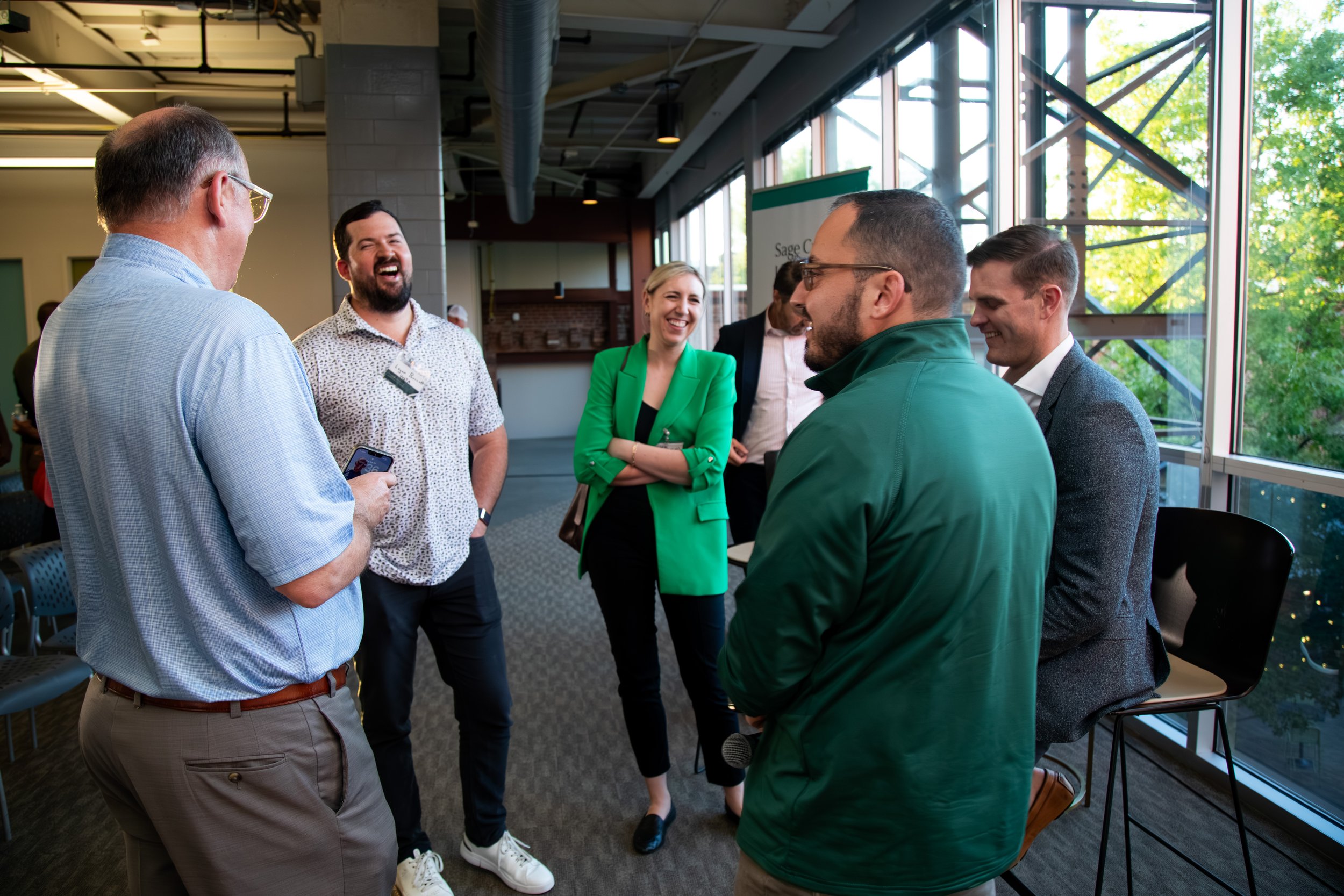
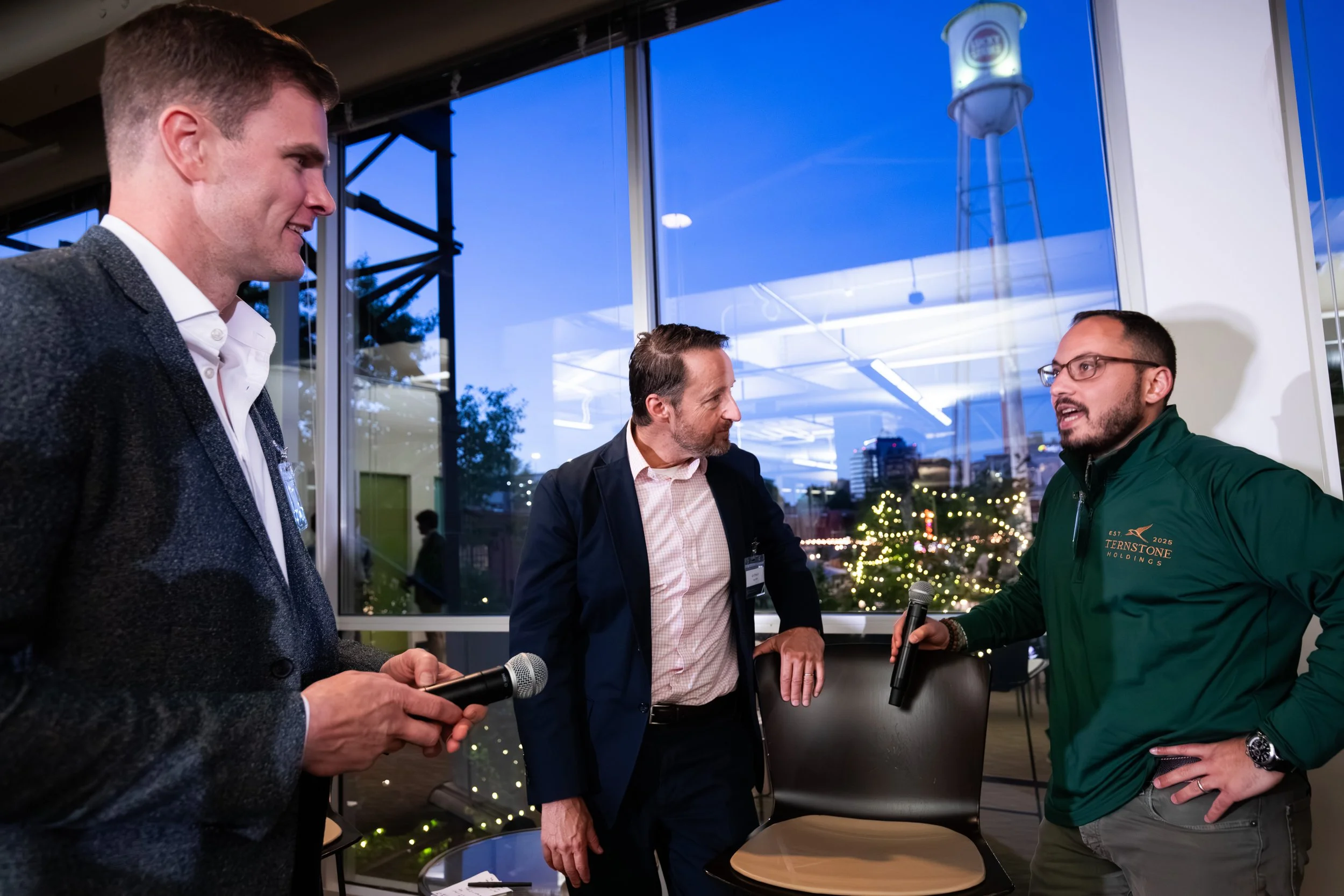
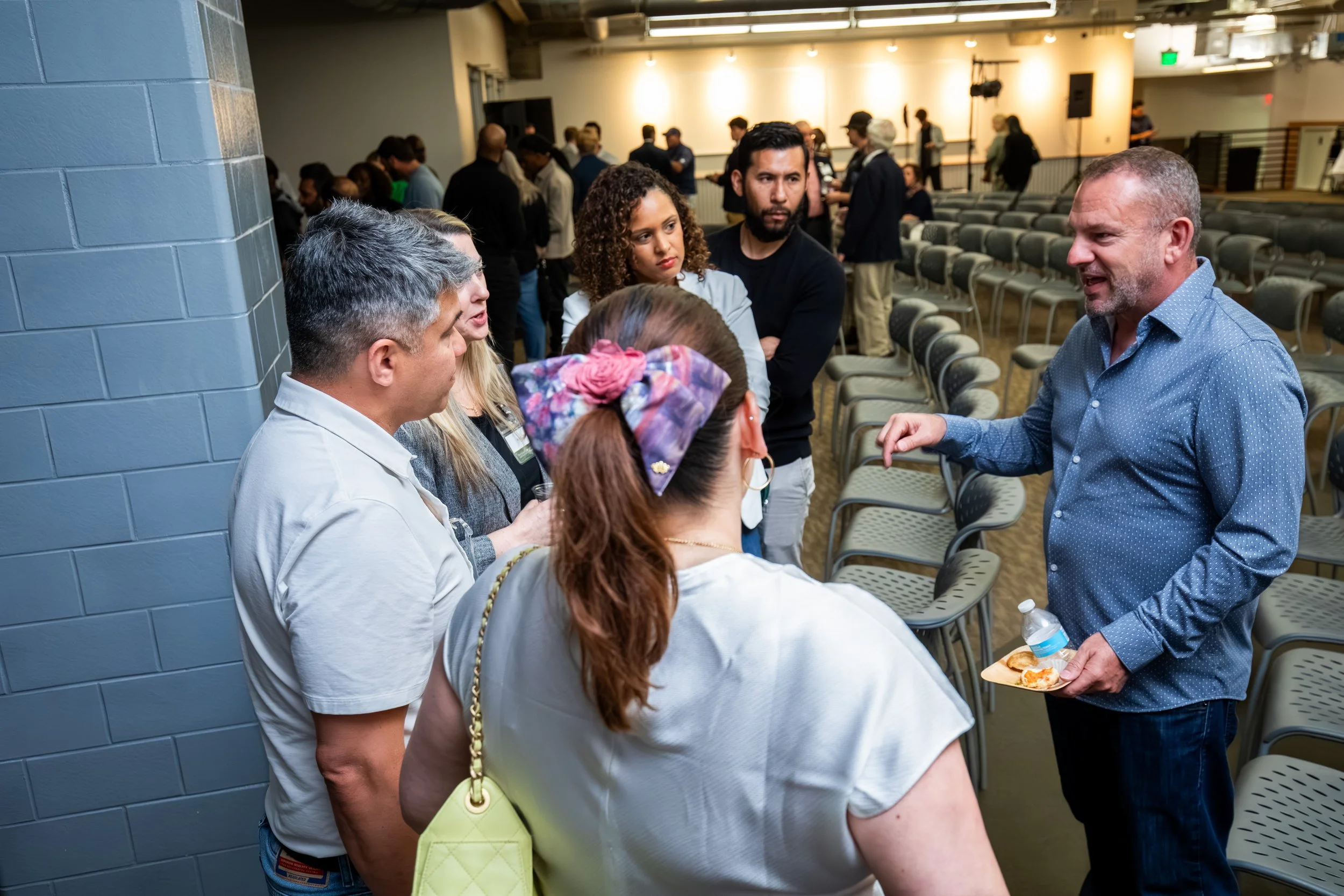
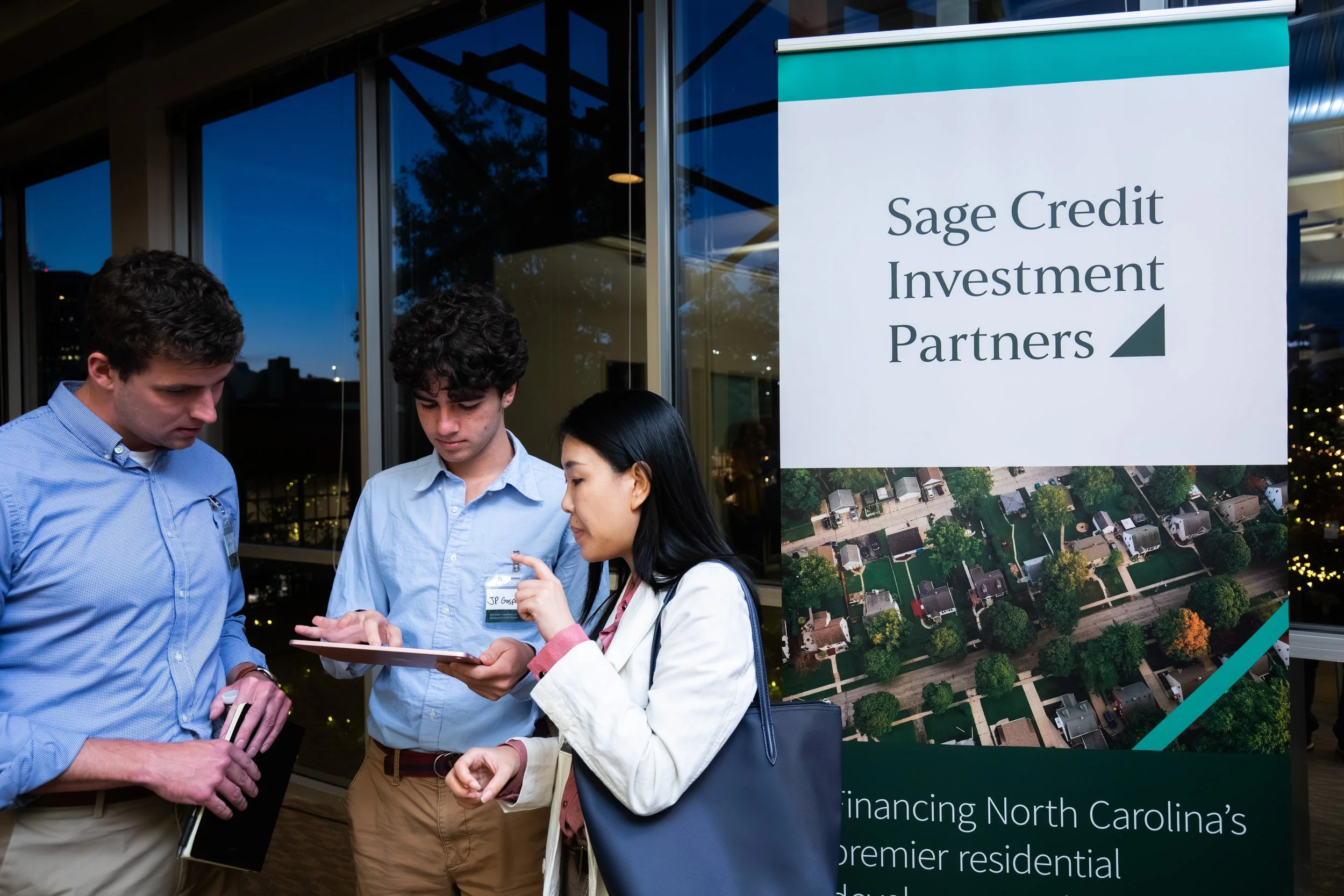
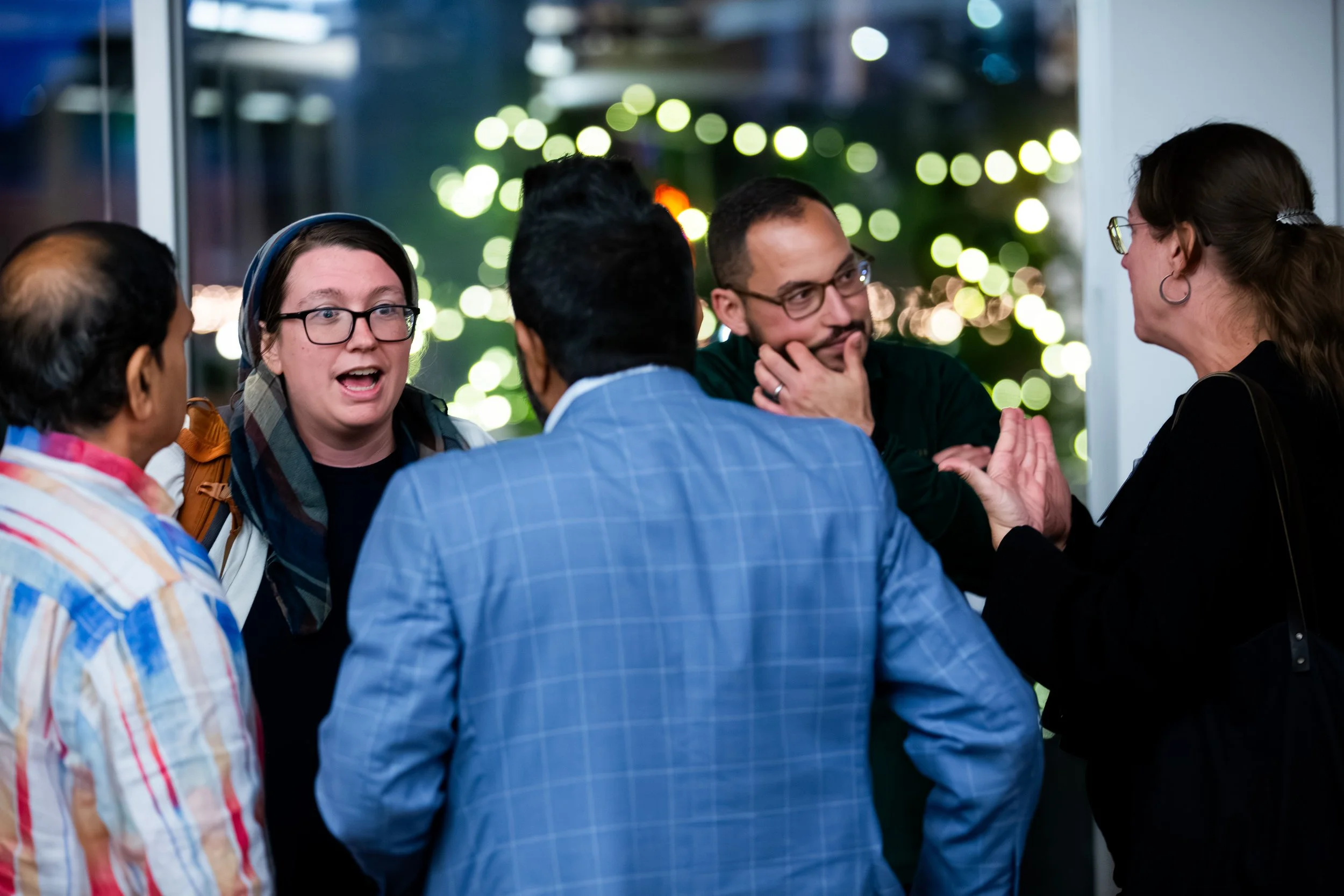
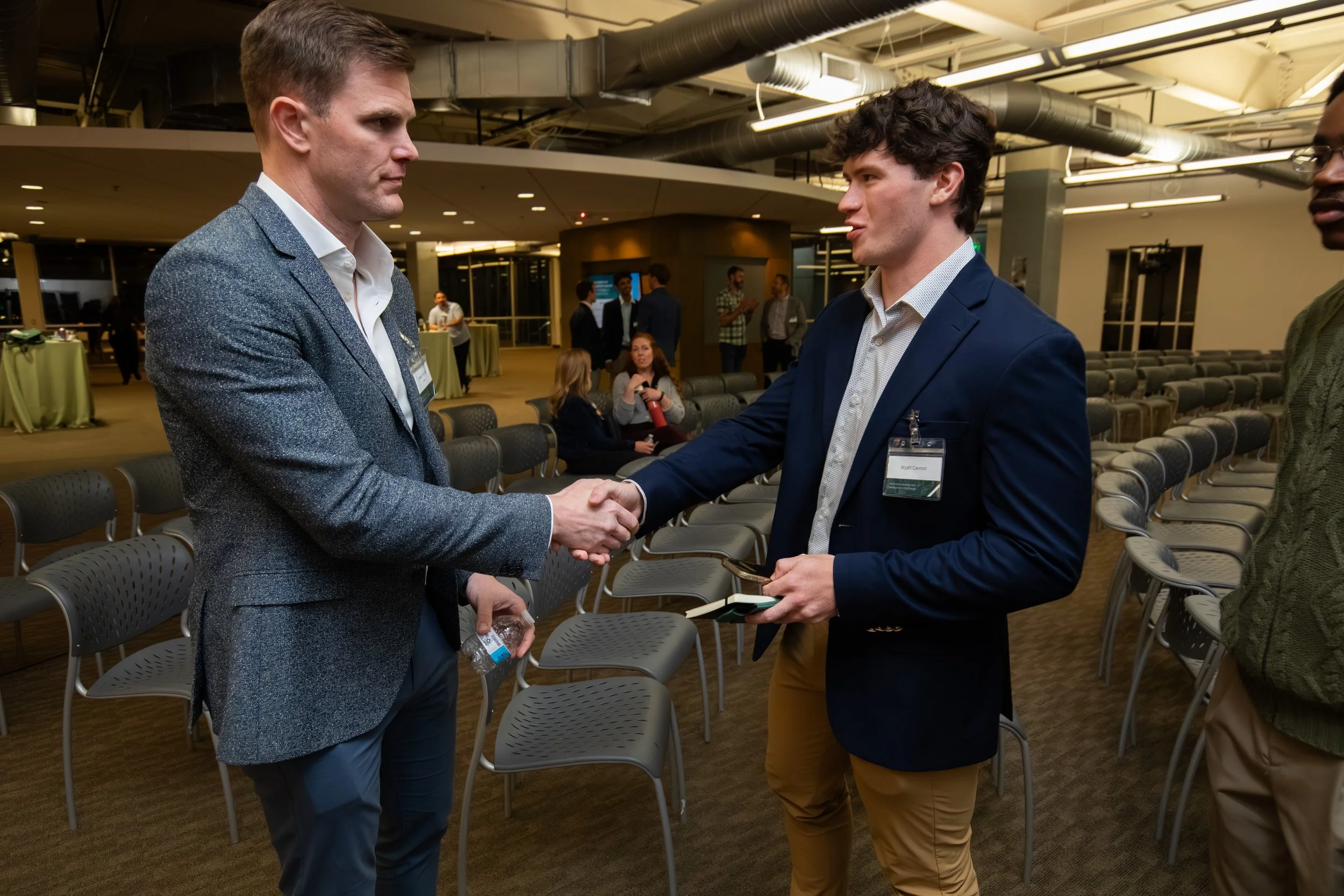
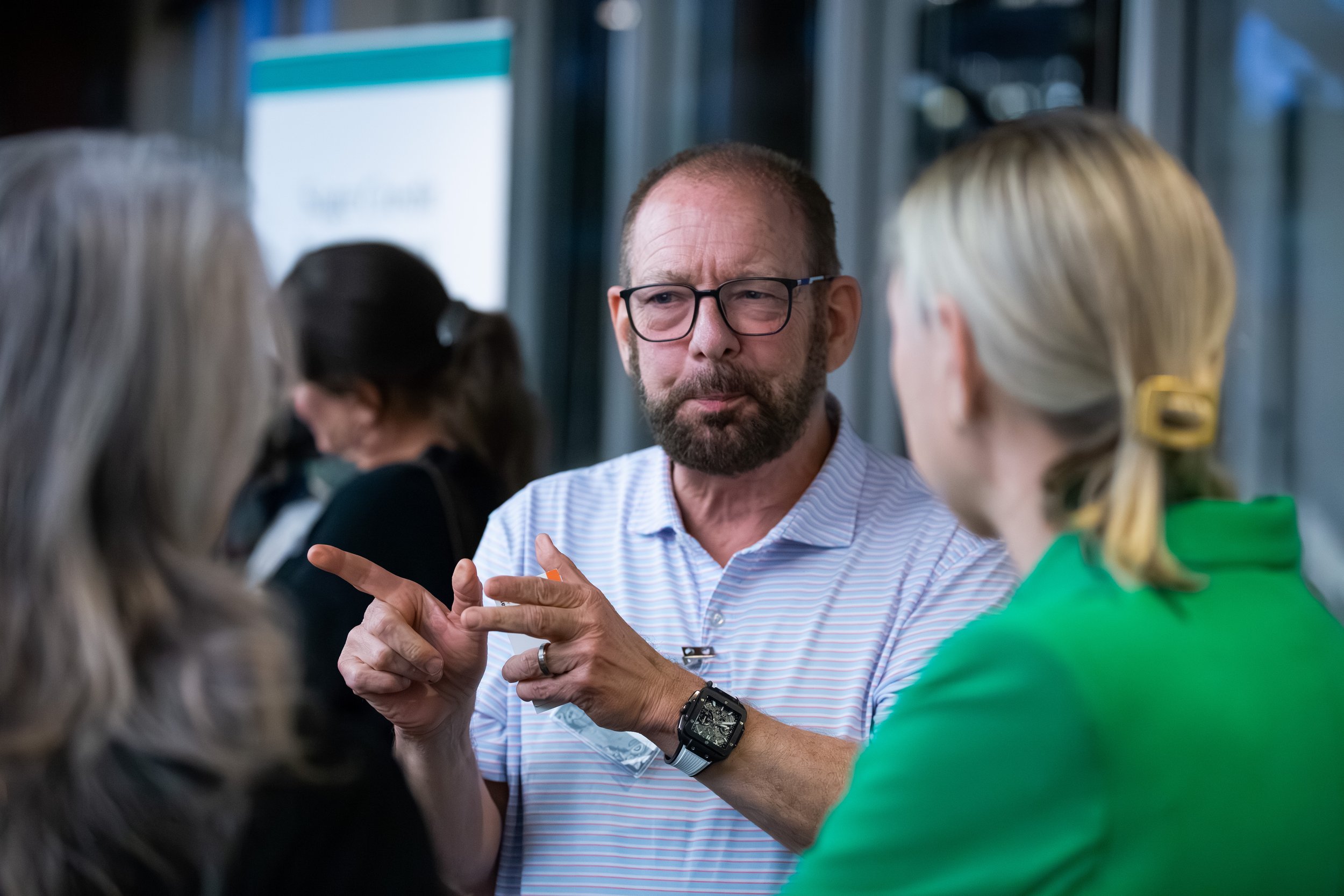
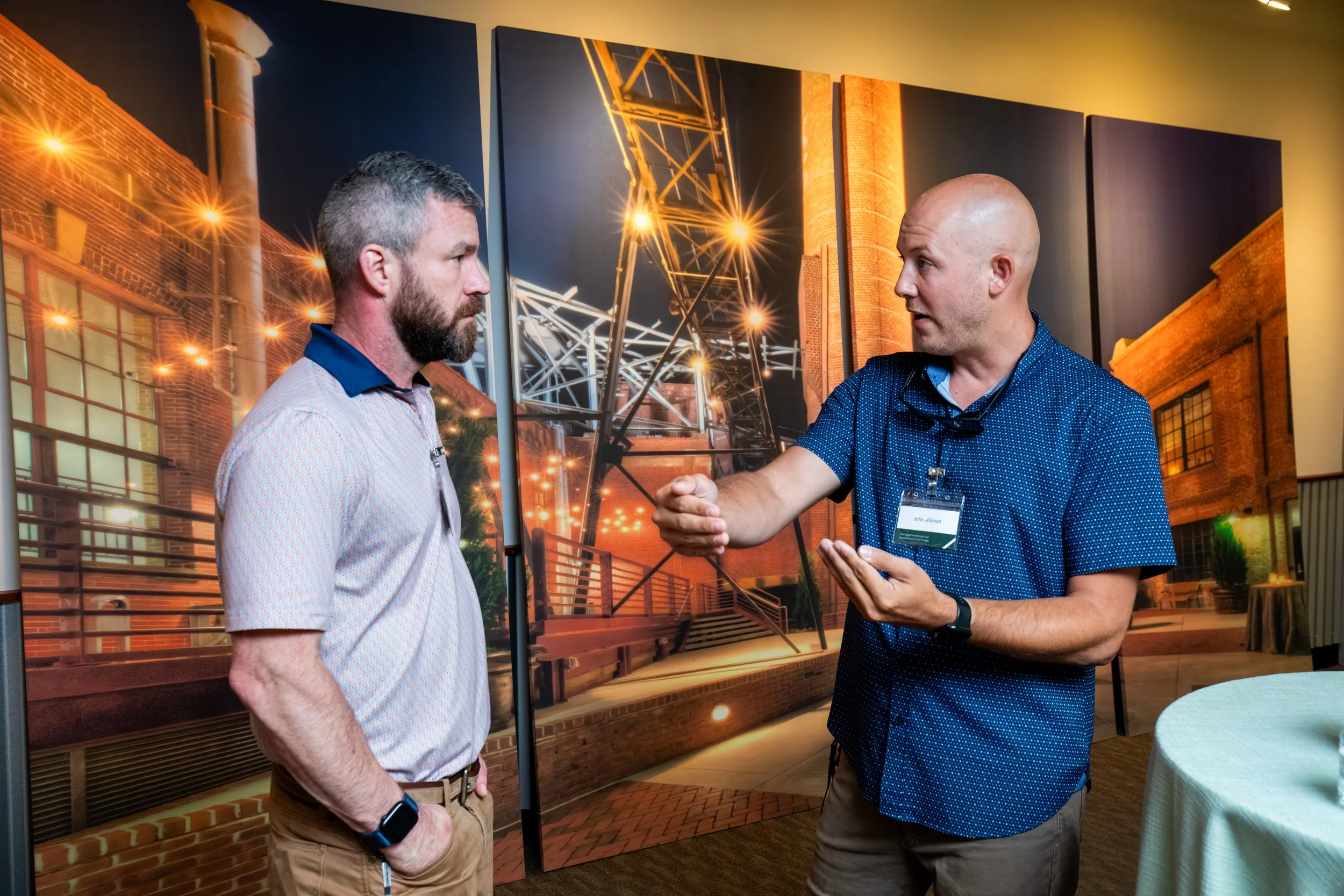
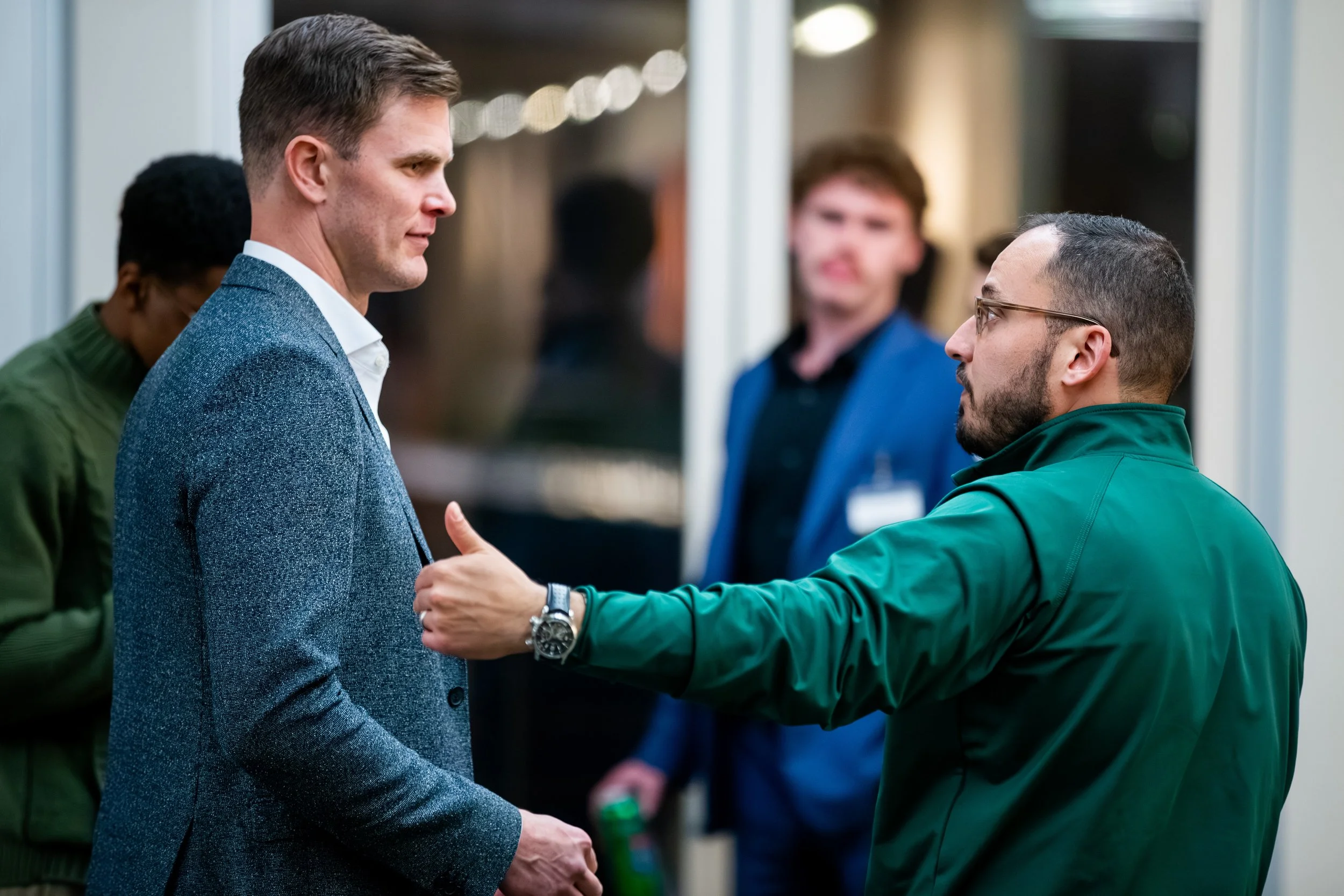
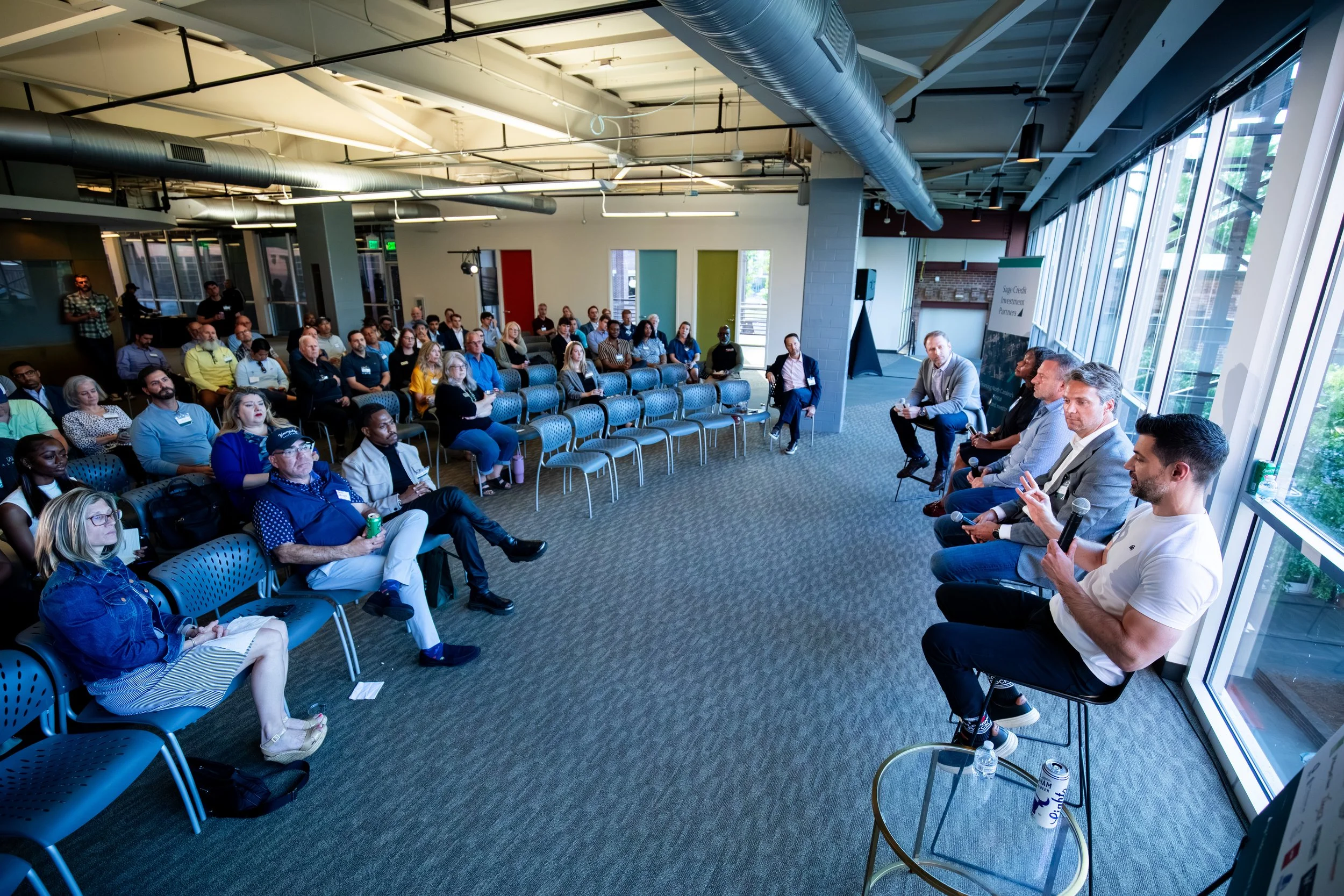
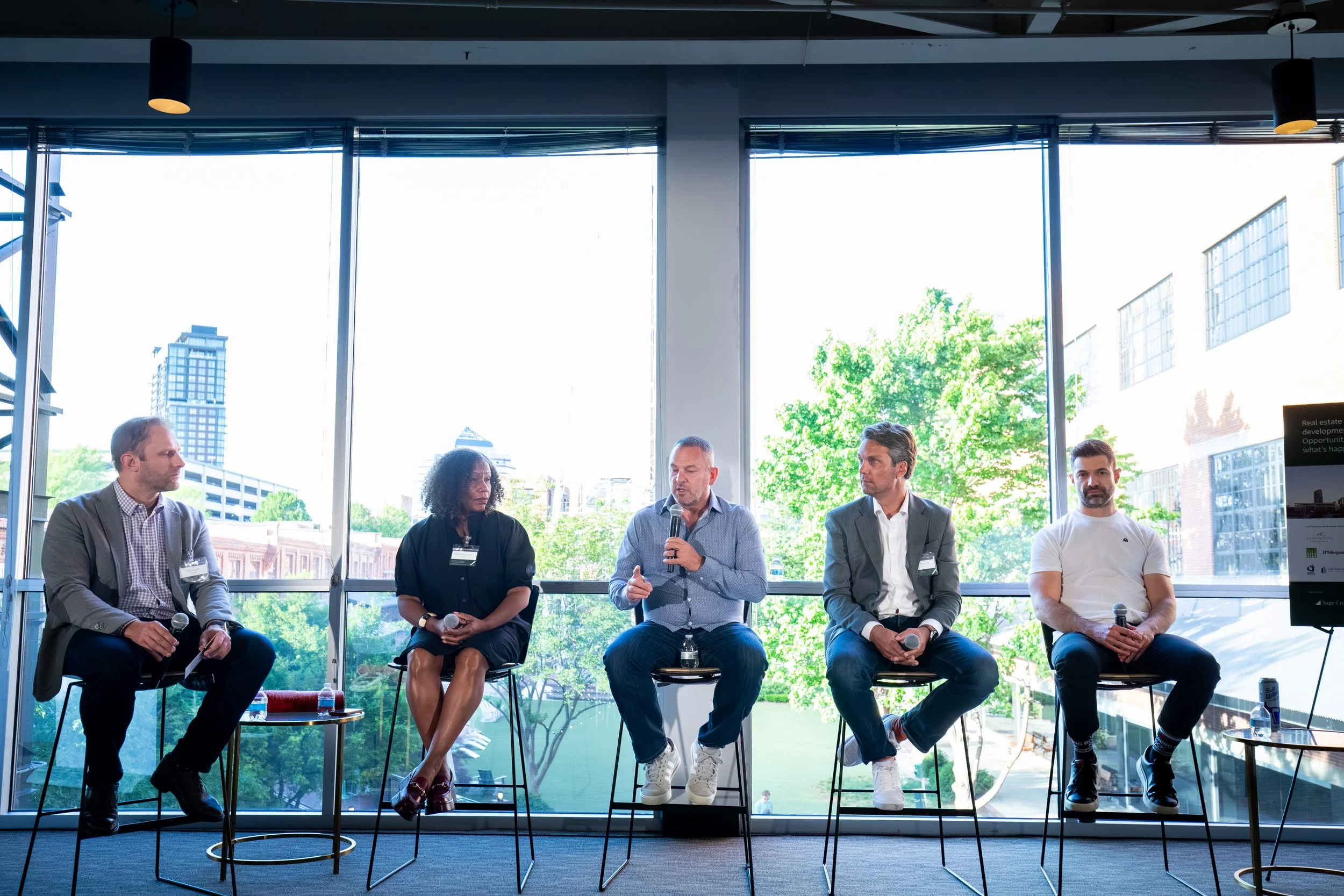
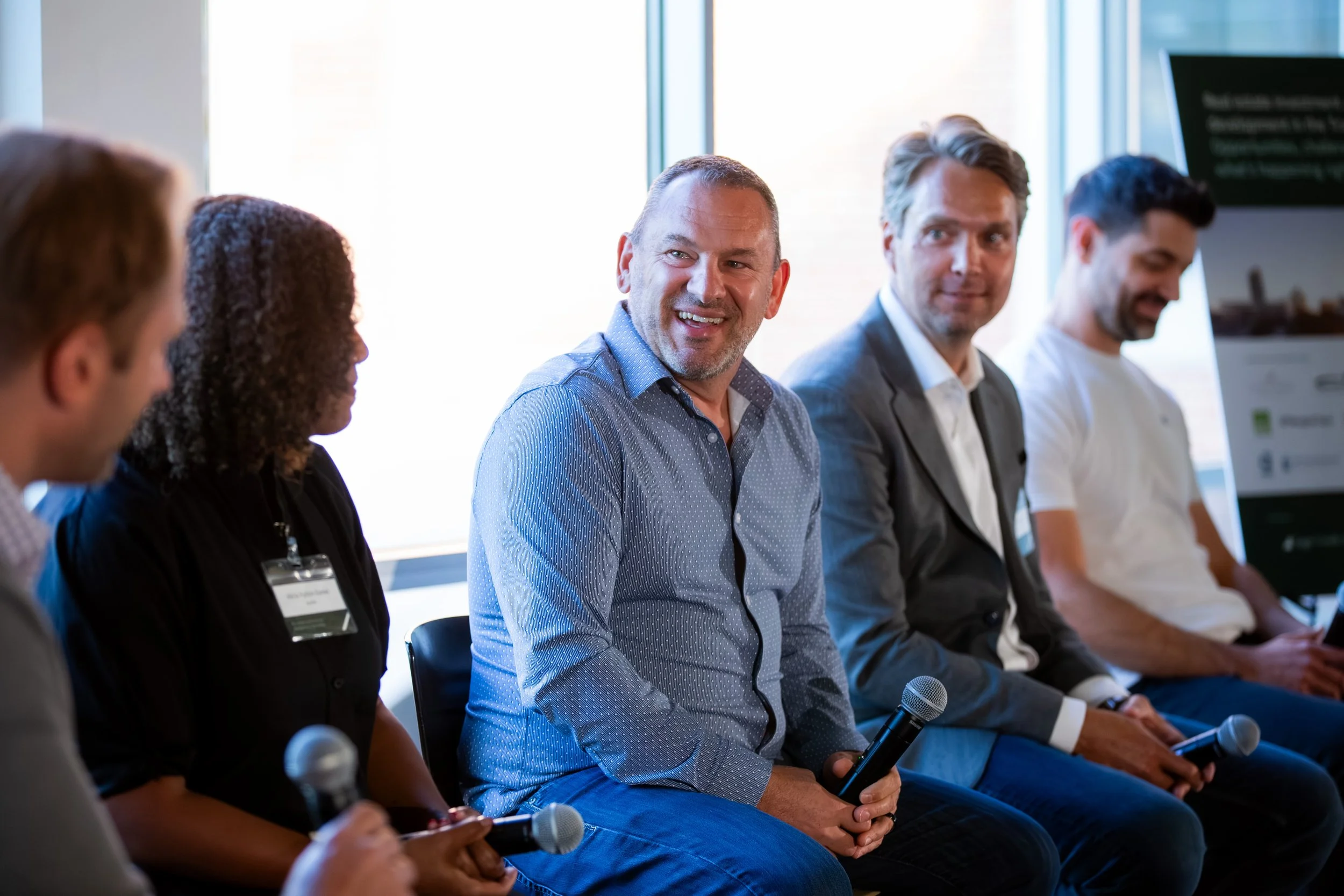
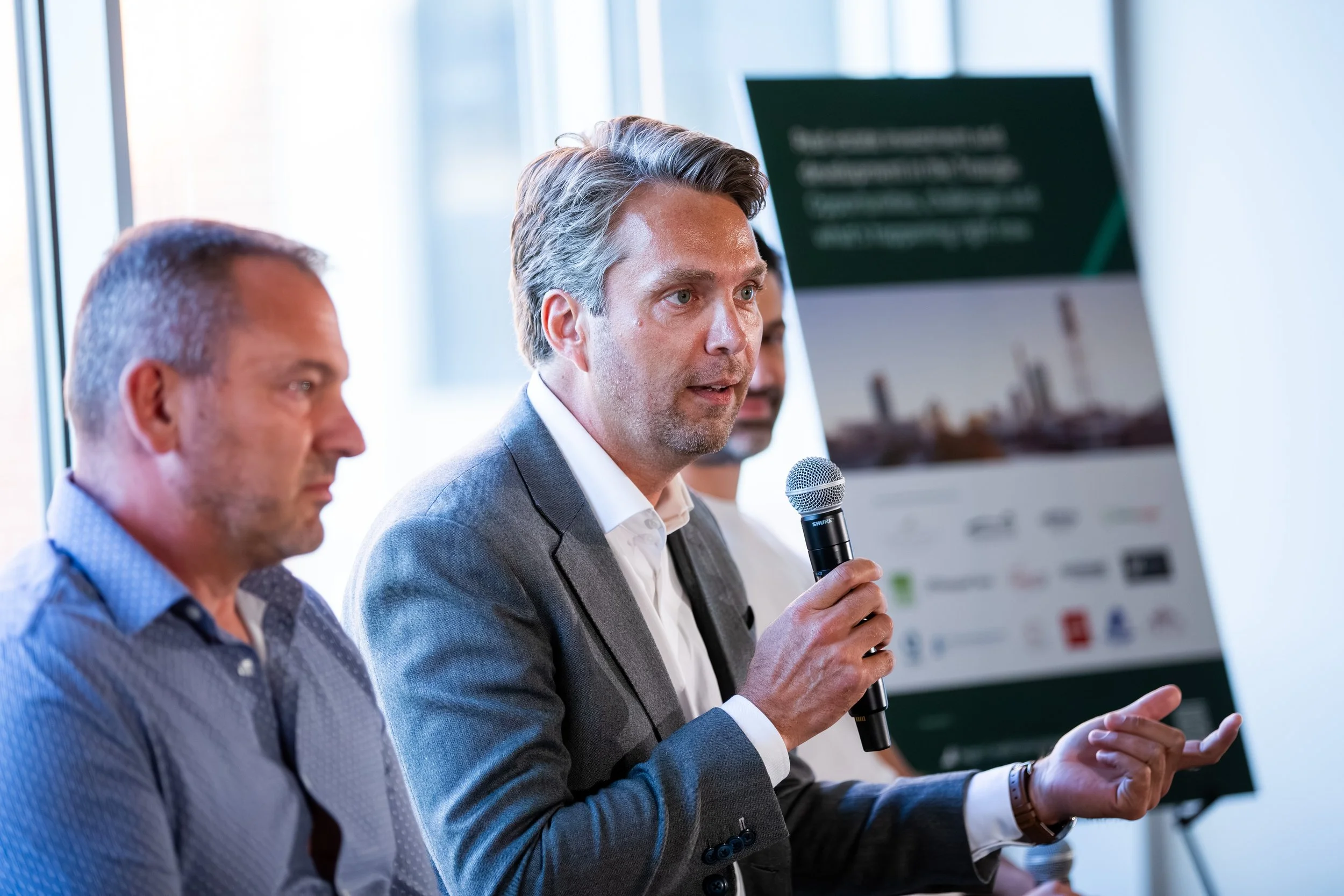
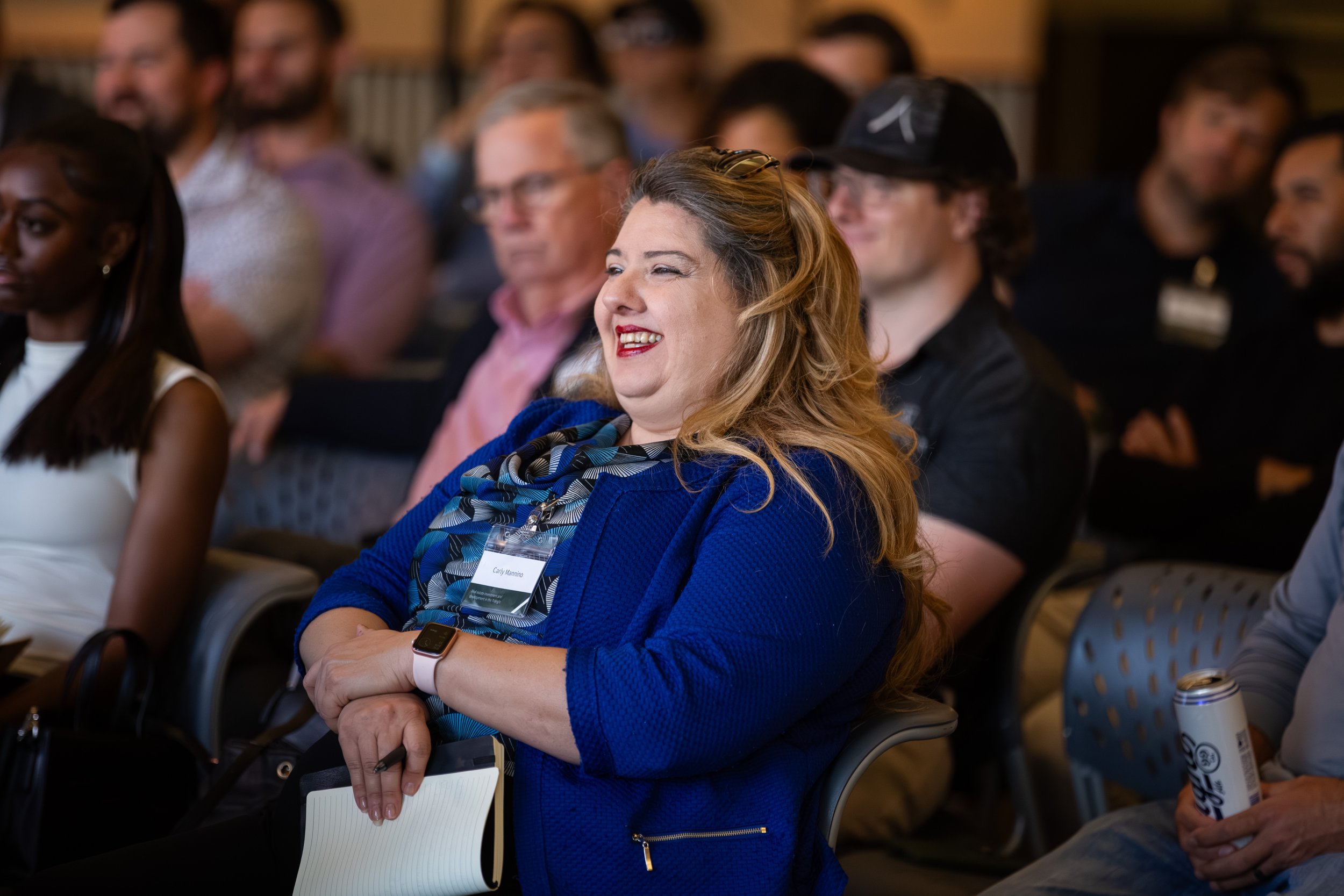
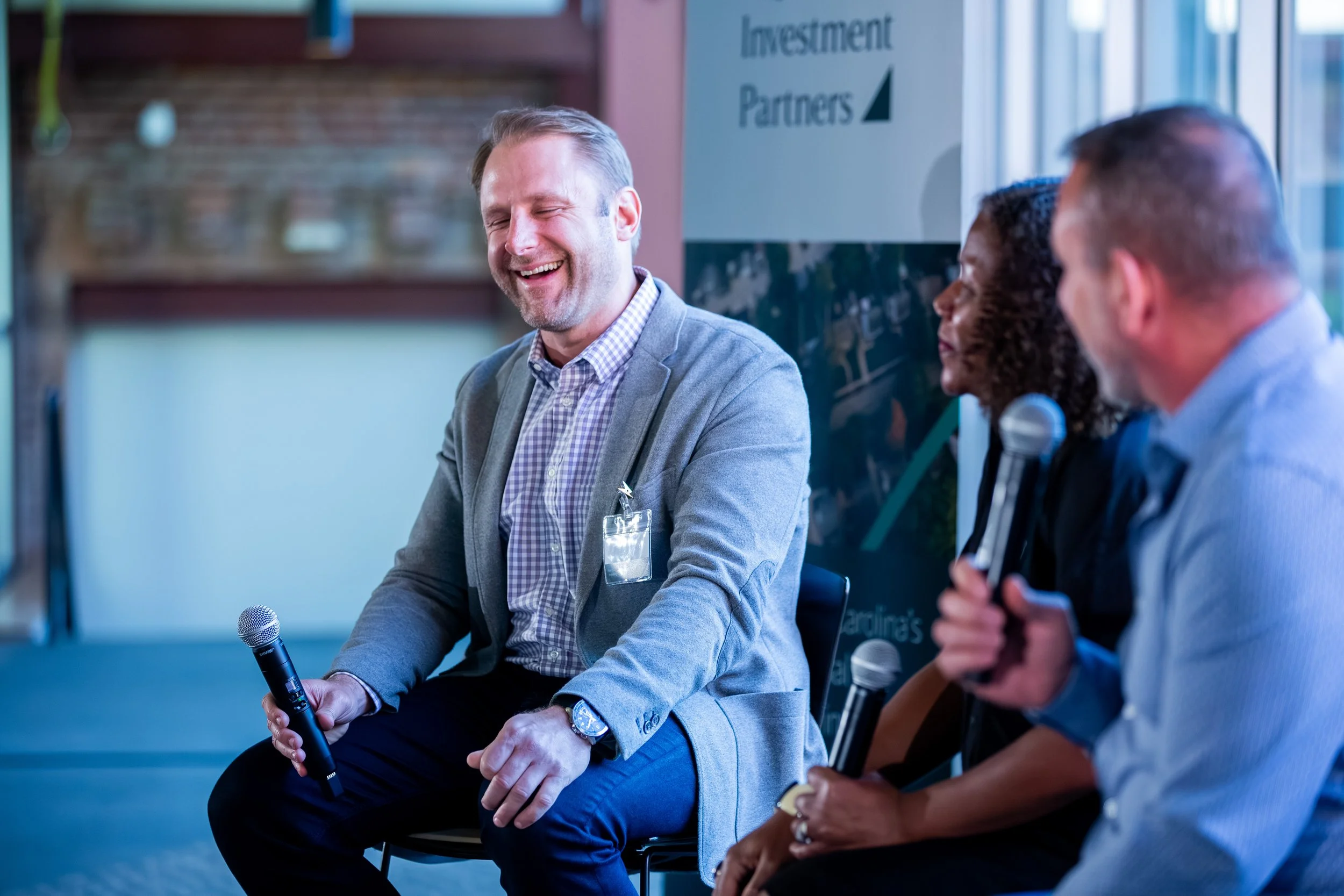
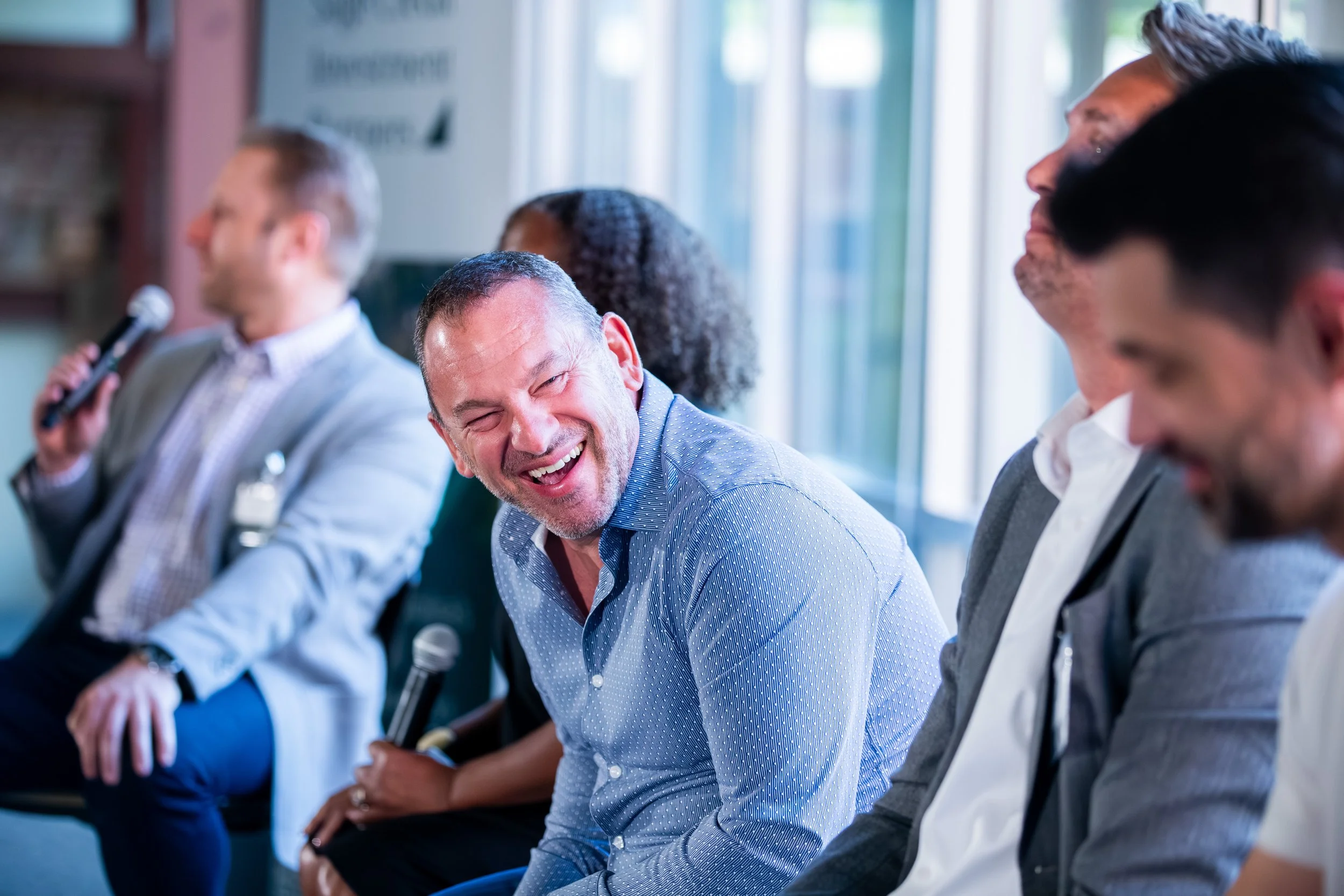
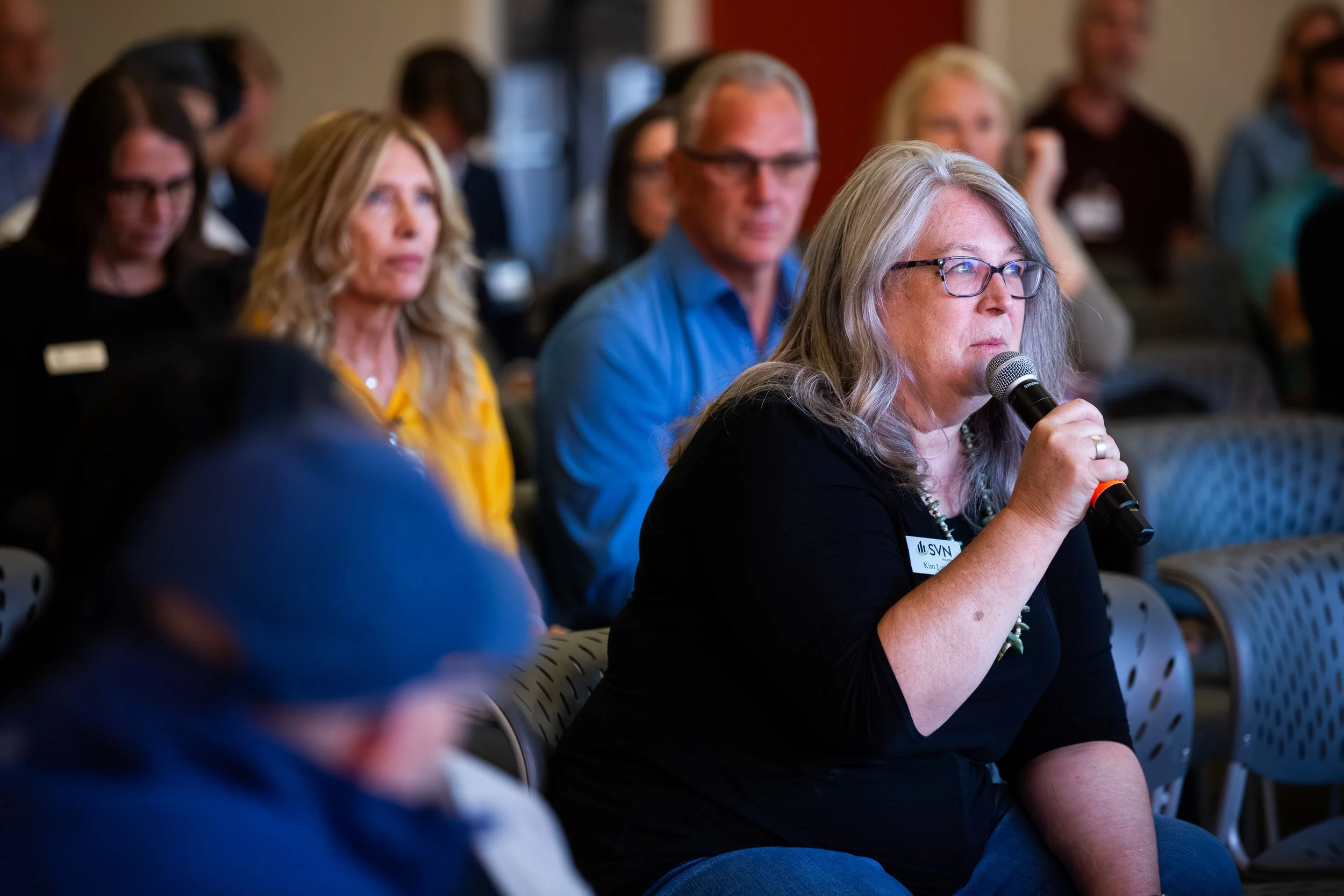
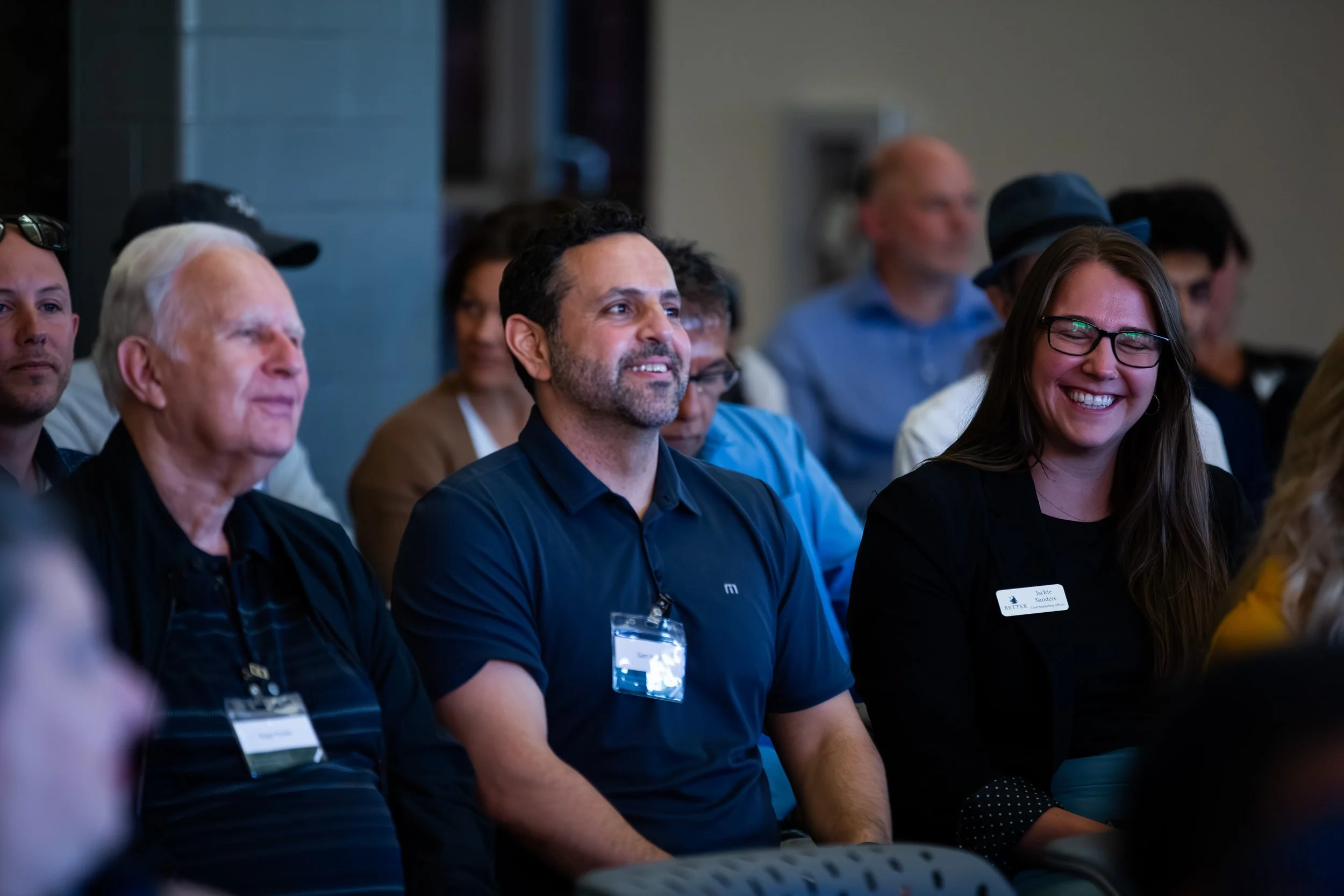
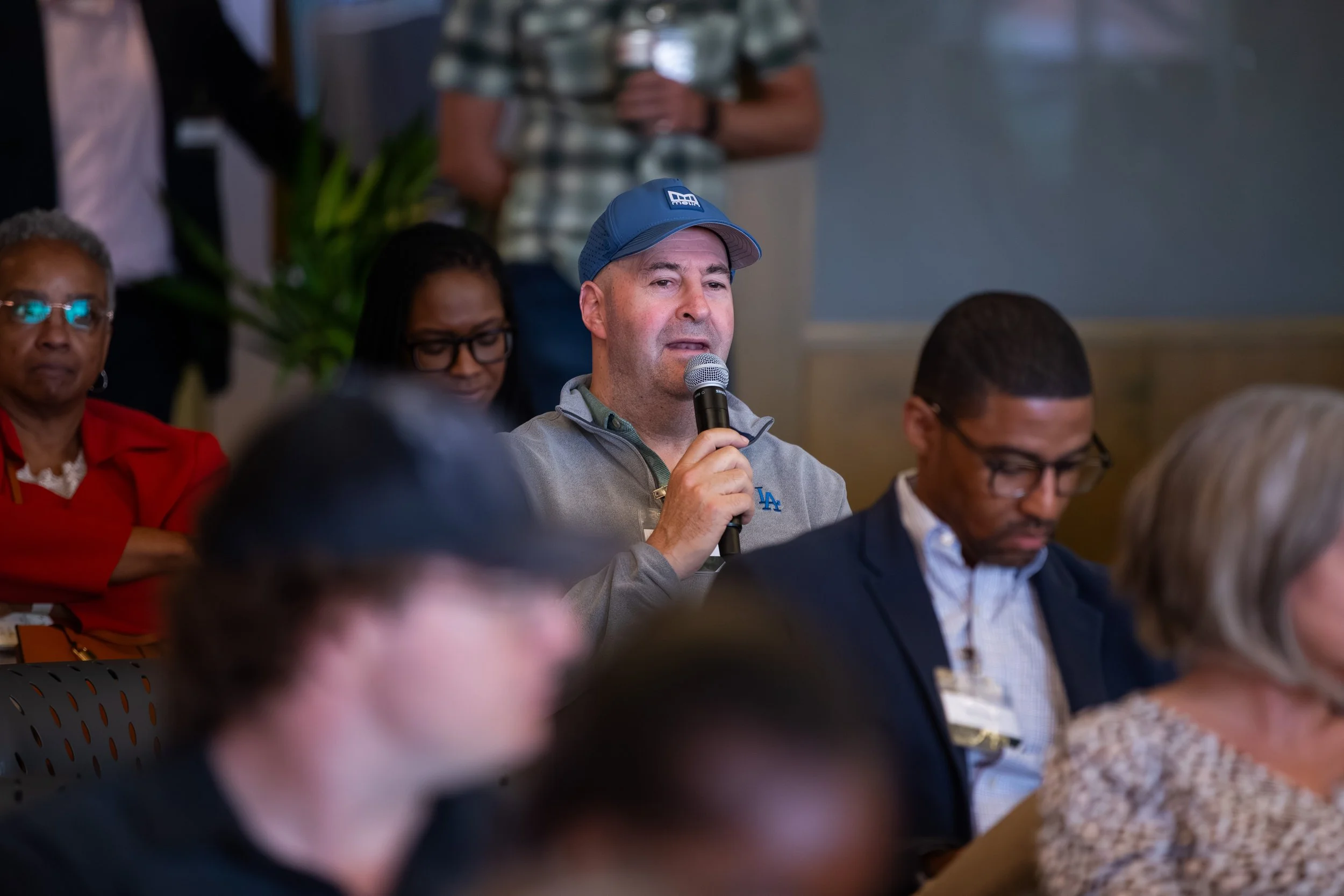
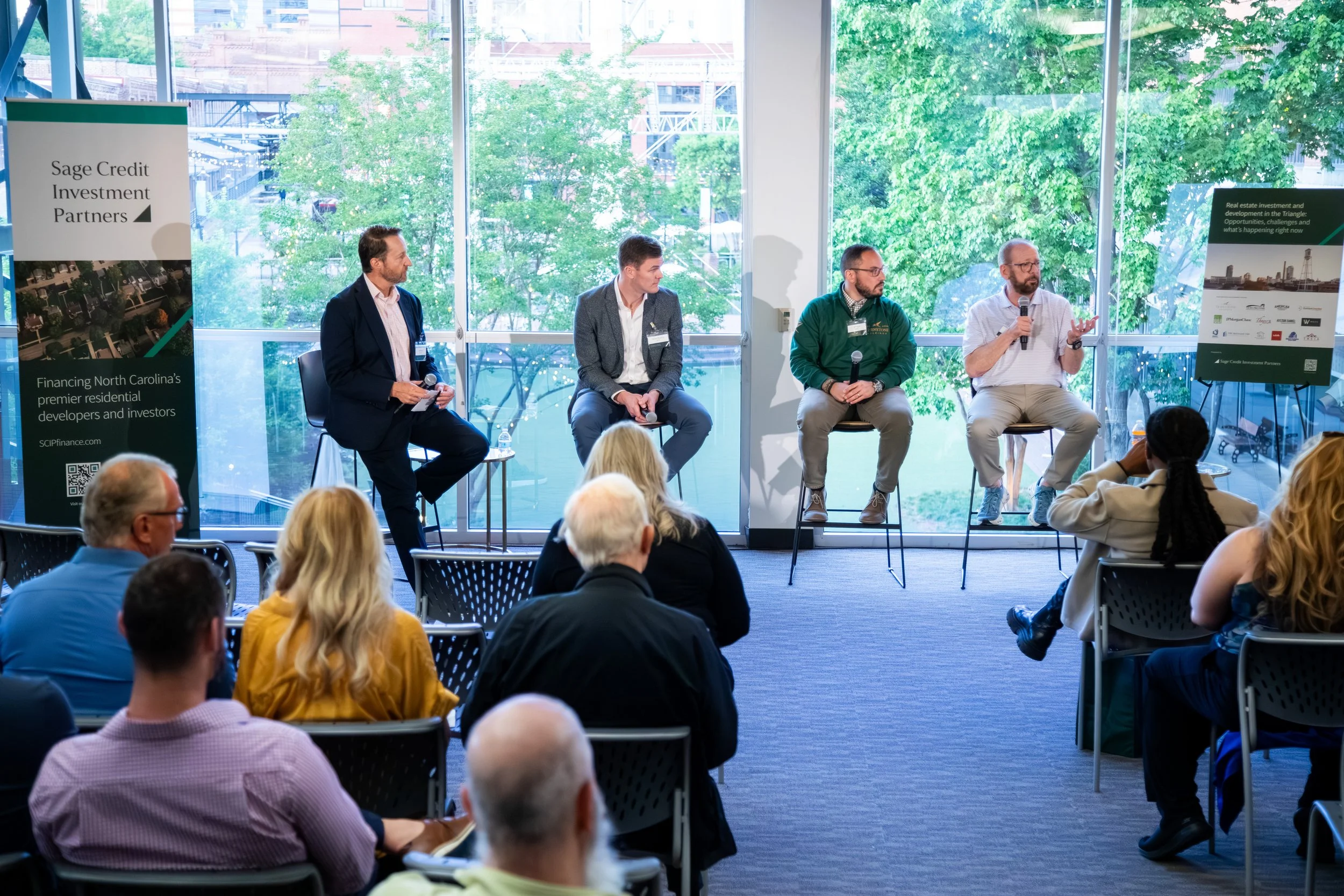
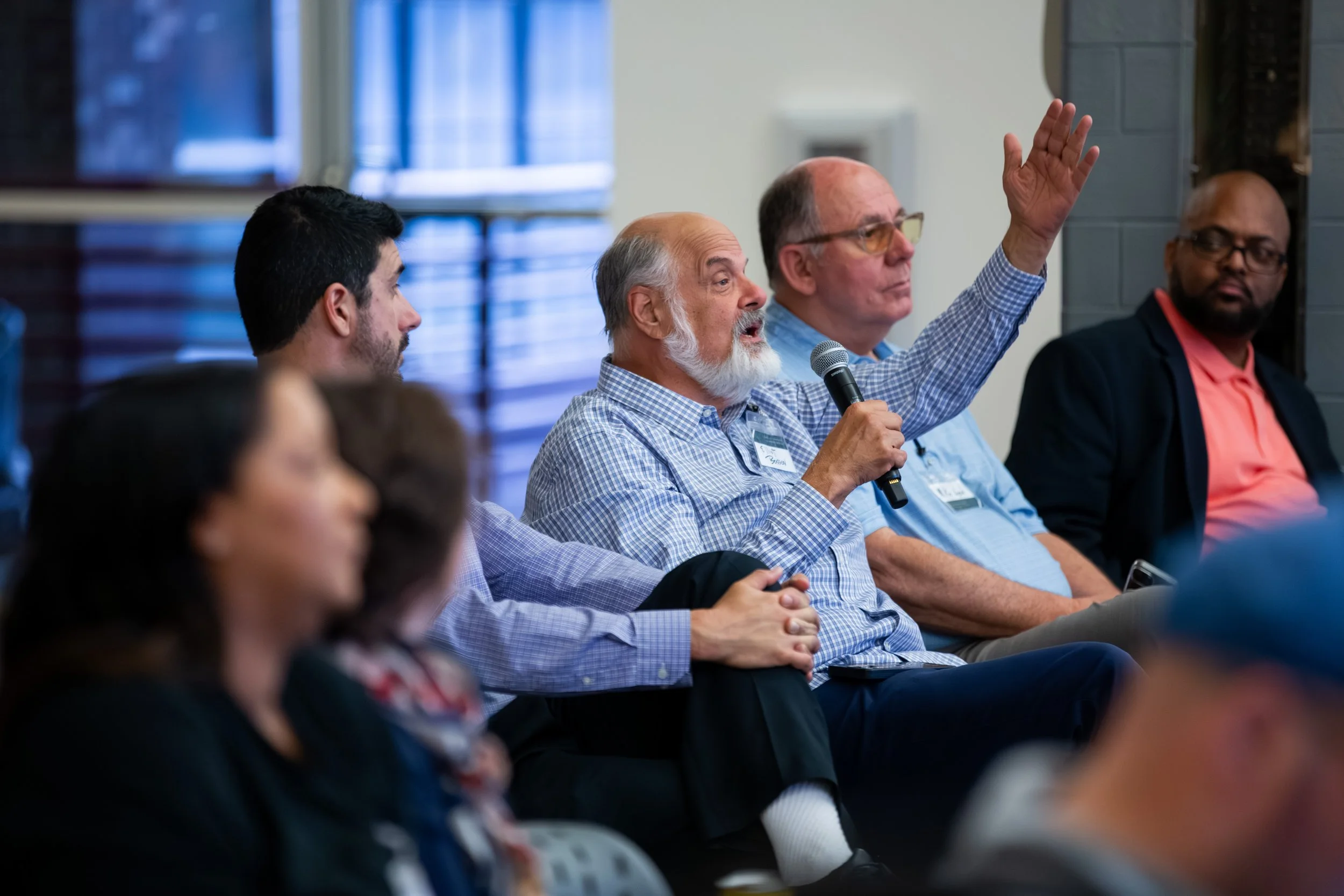
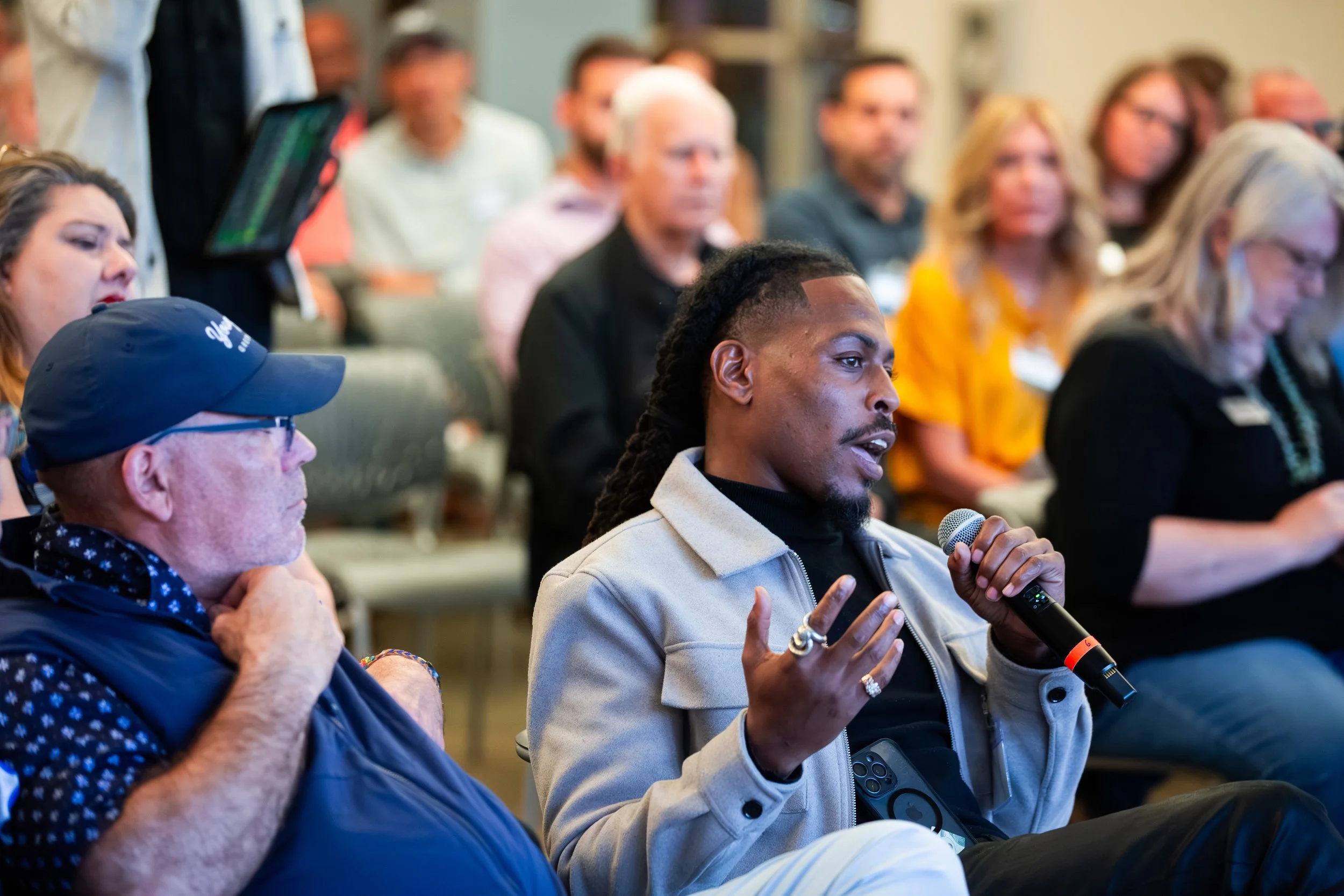
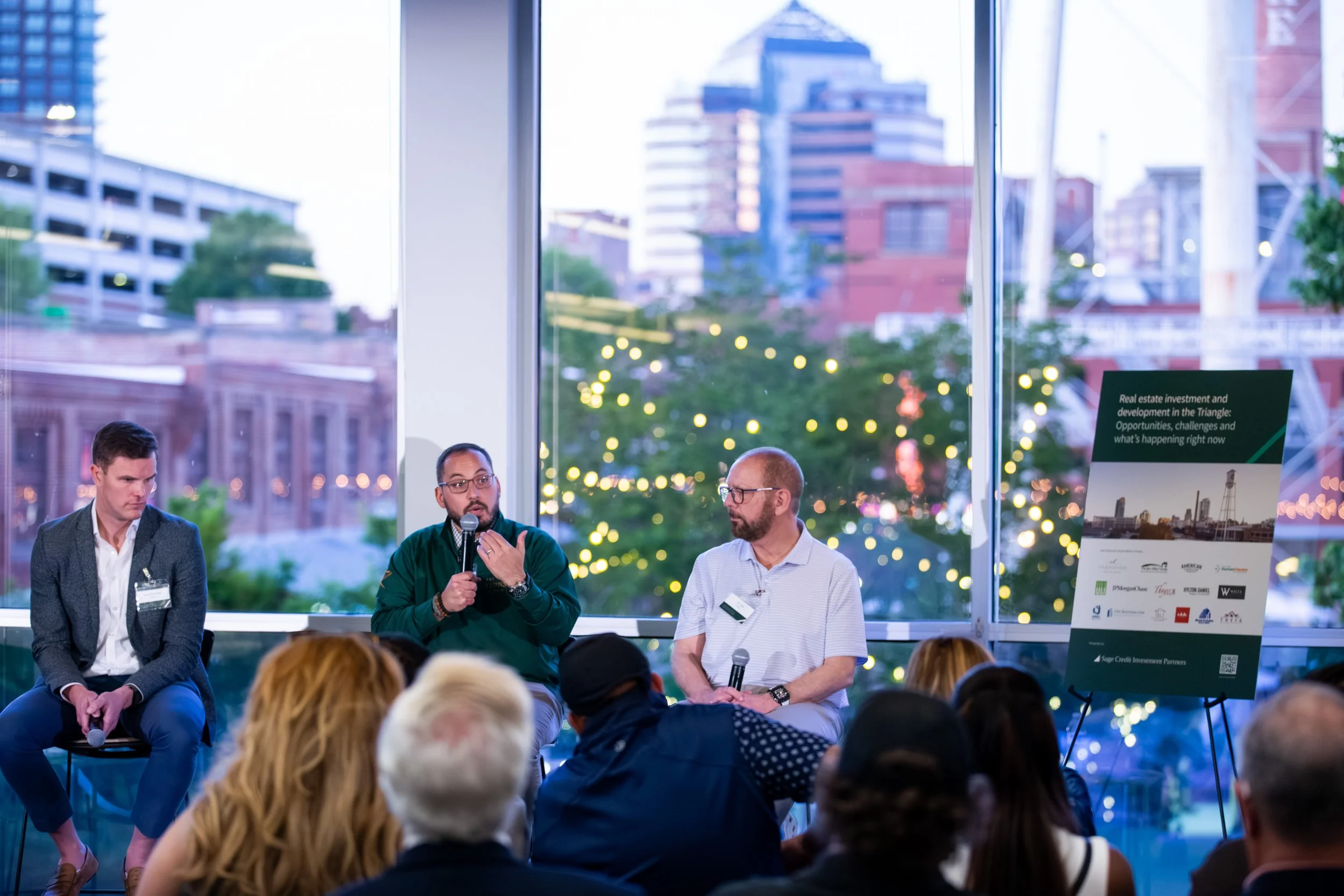
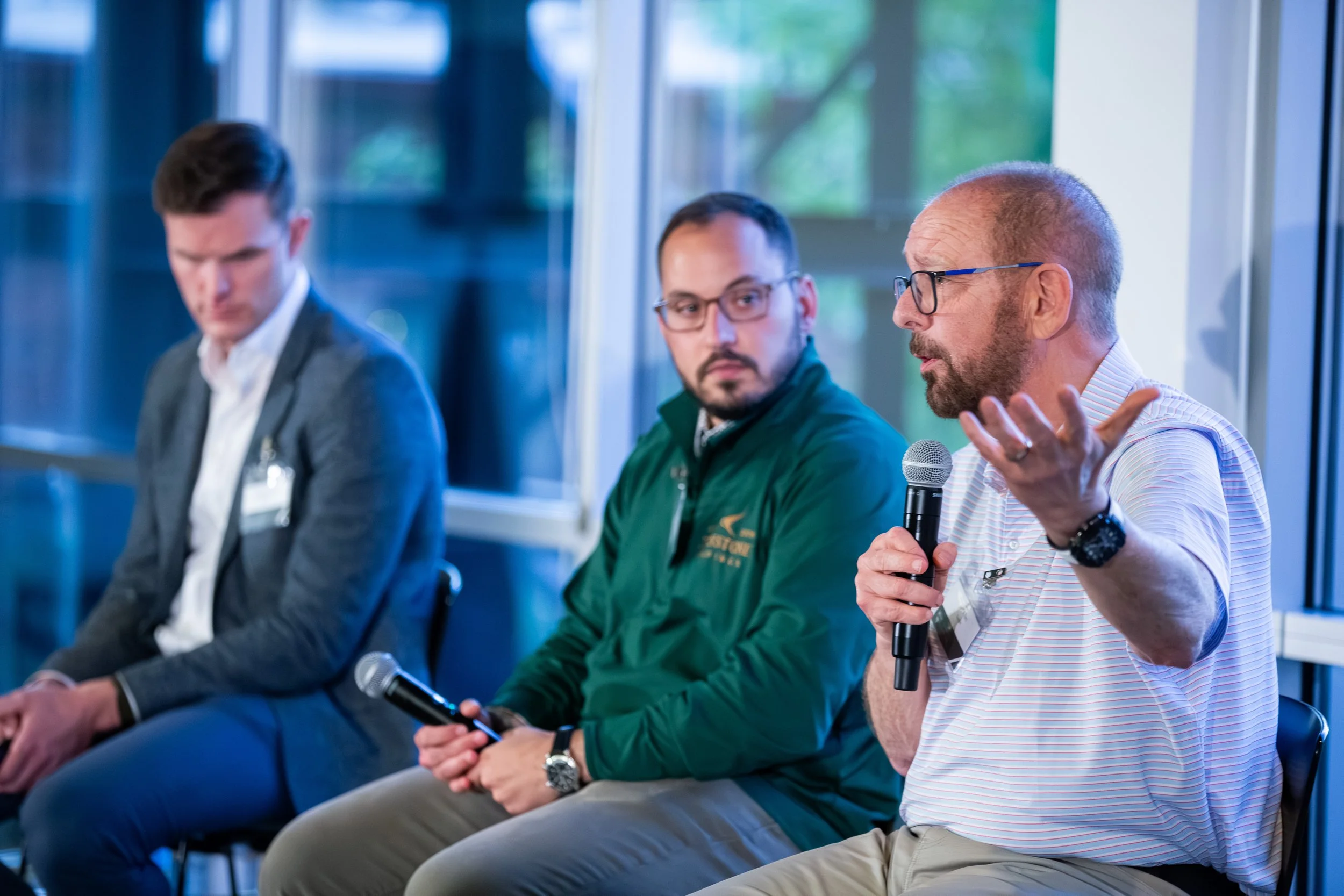
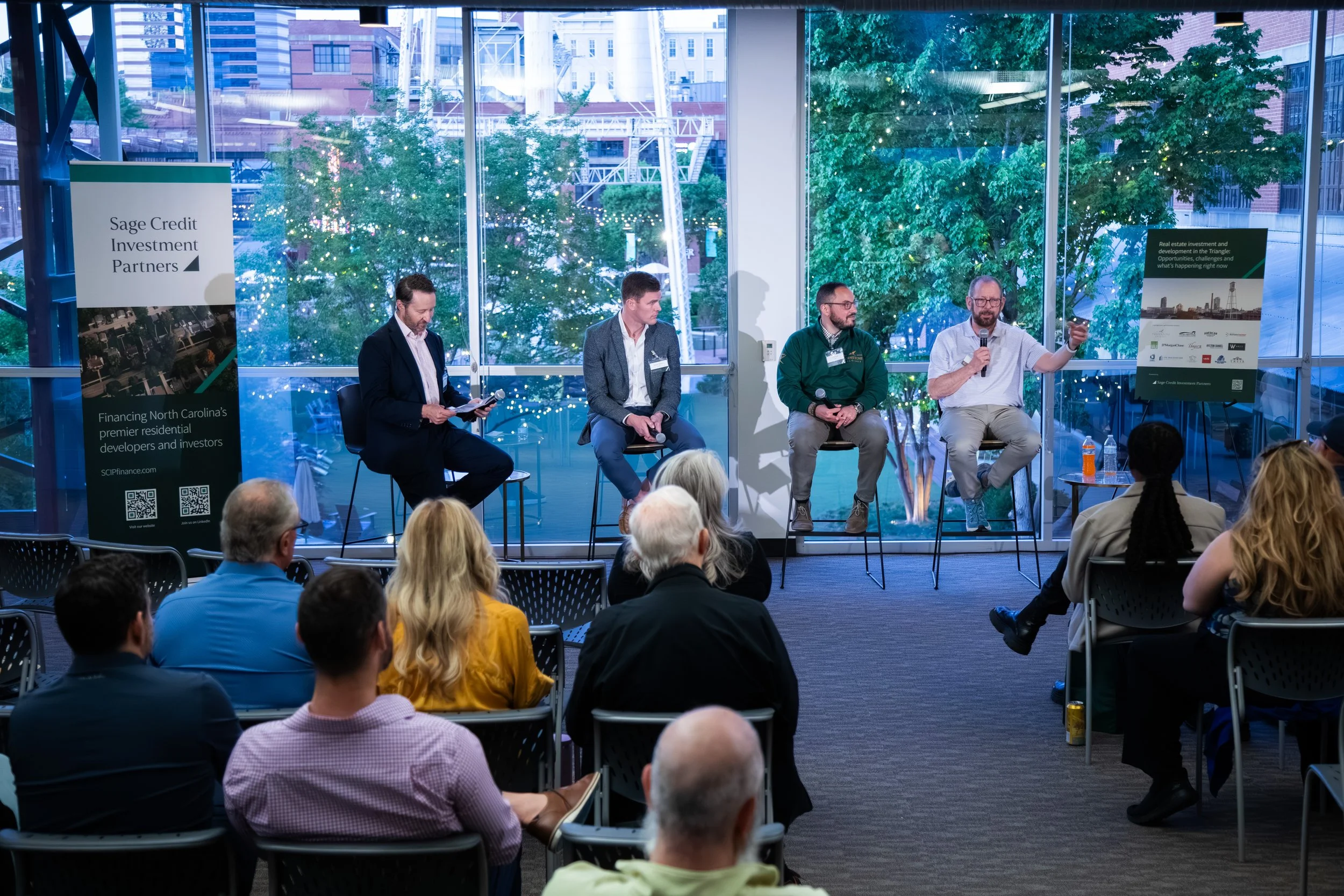
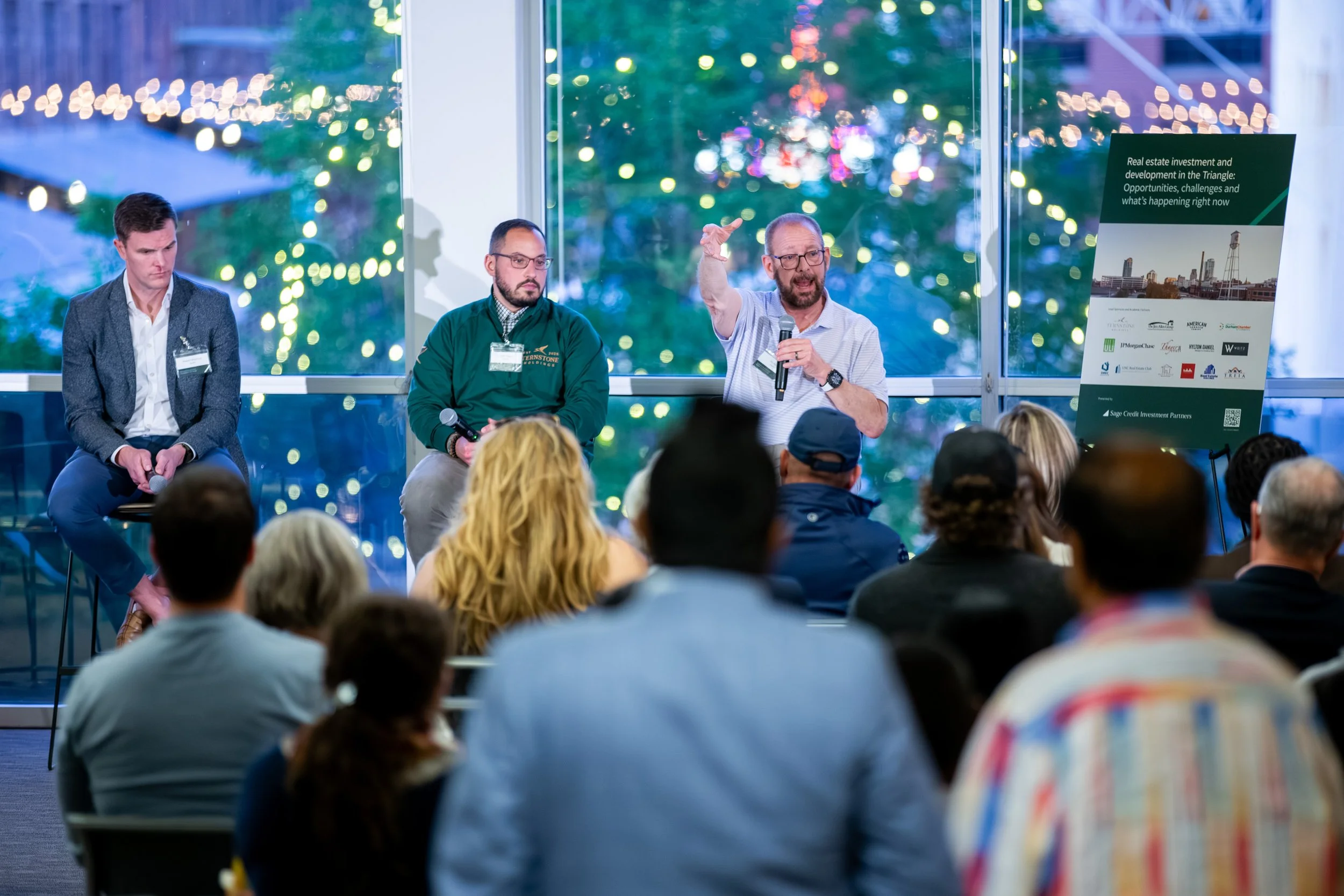
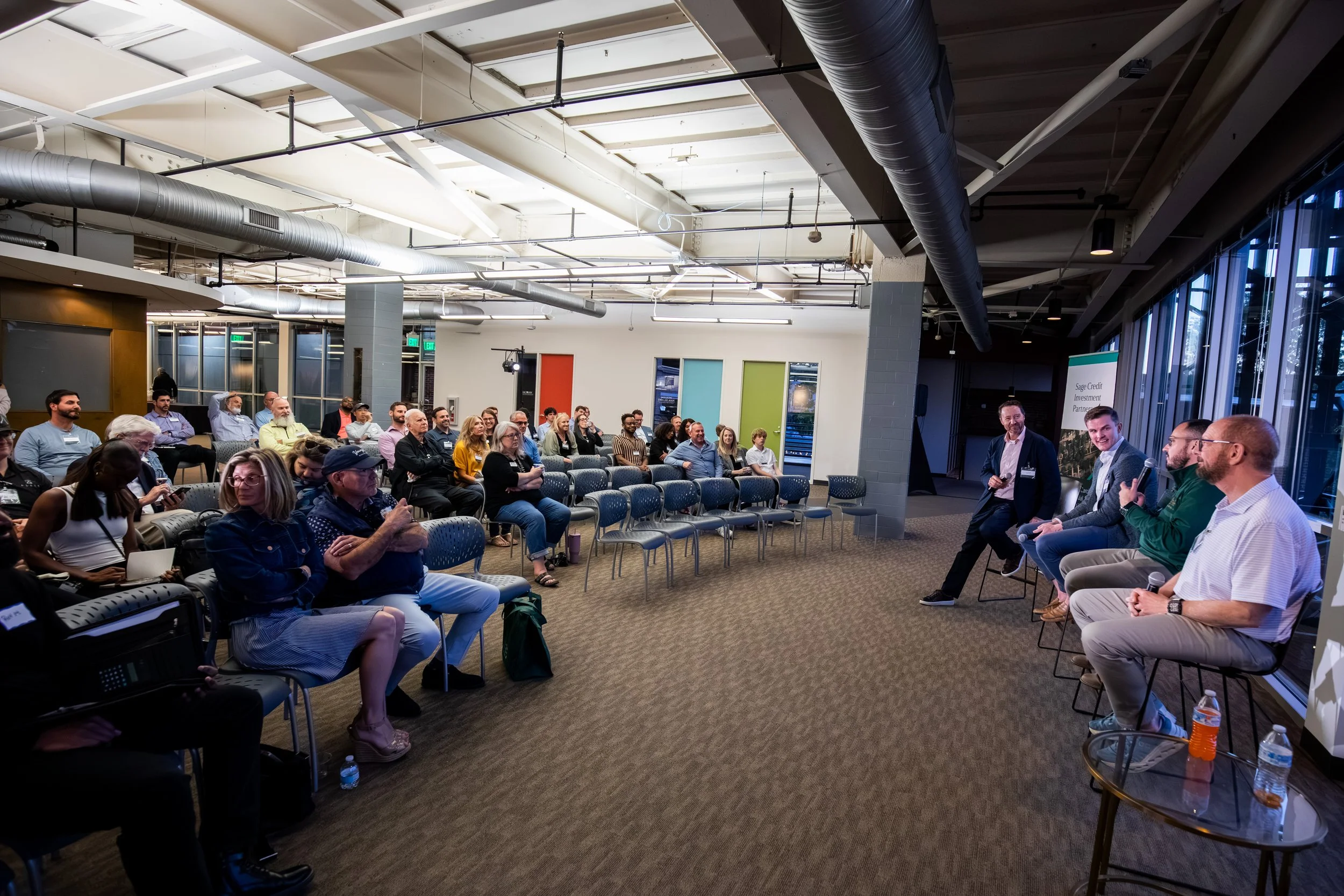
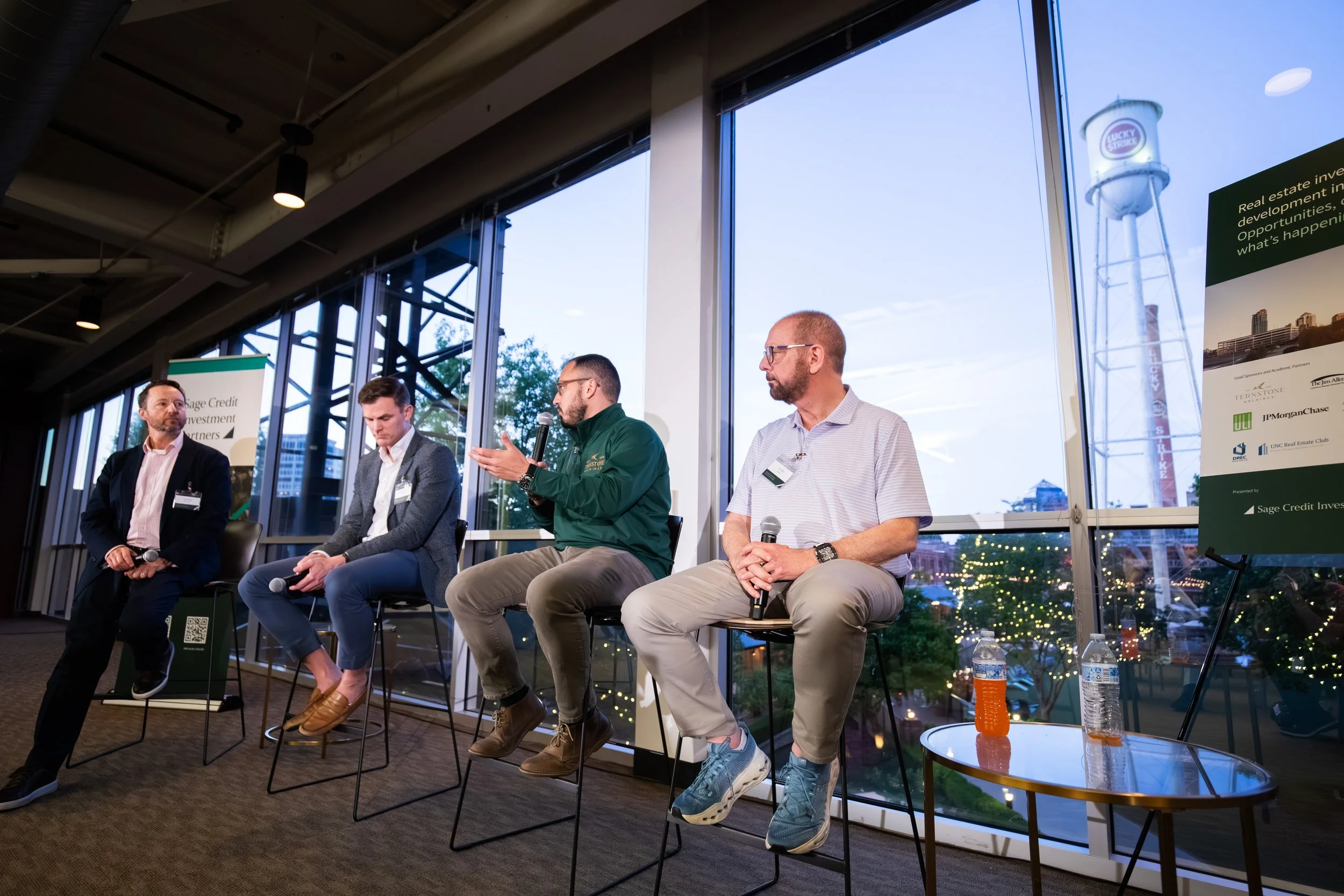
For the second year running, Sage Credit was pleased to bring together more than 100 real estate professionals, developers, builders and investors for an evening of substantive conversations about the Triangle real estate market. Through two panels, our local industry experts provided candid viewpoints on how they are building and investing in the area. The room was filled with talented professionals who work in the market every day, leading to lively conversations before and after the panel discussions. We're grateful to everyone who came and contributed to what was a genuinely energizing night.
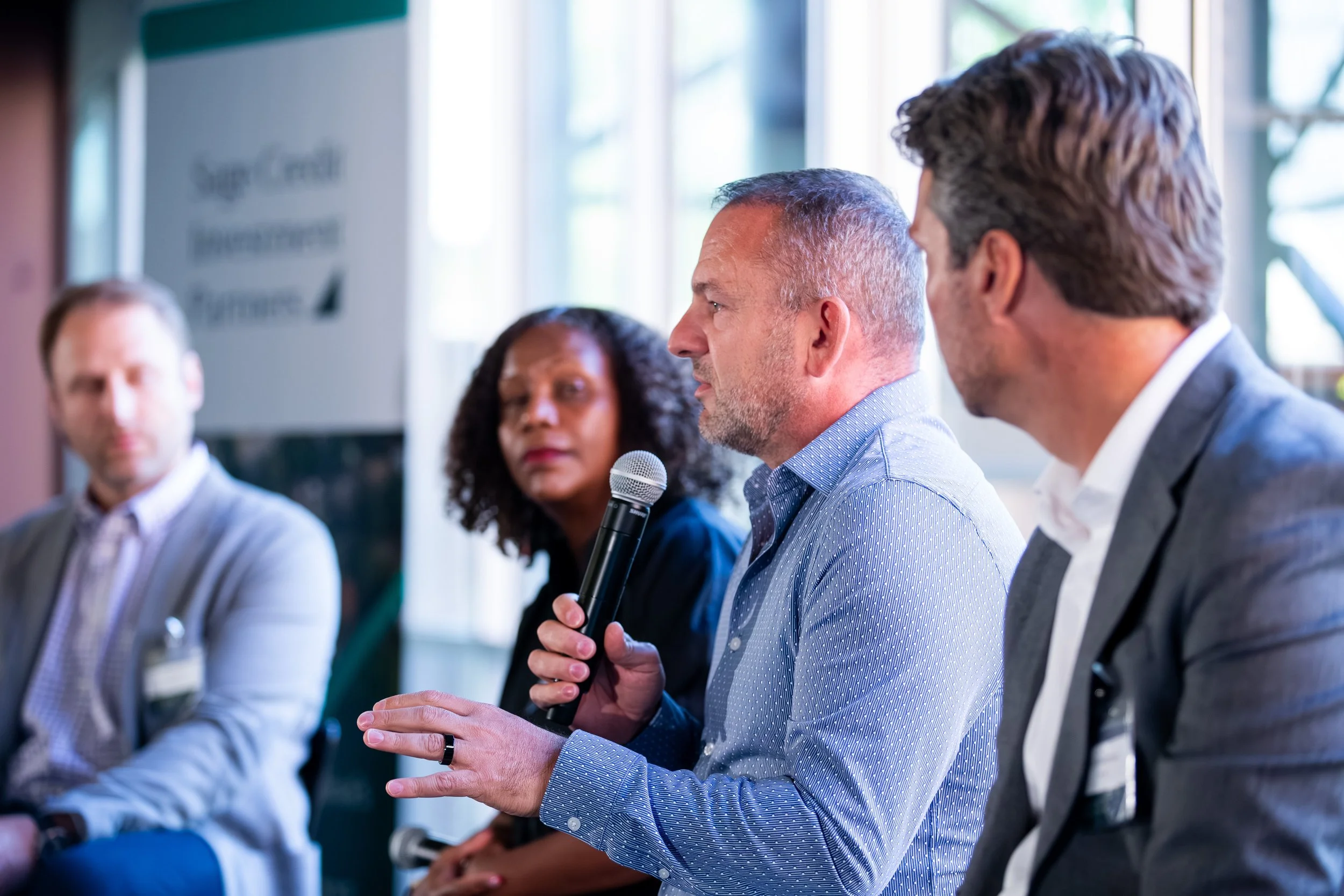
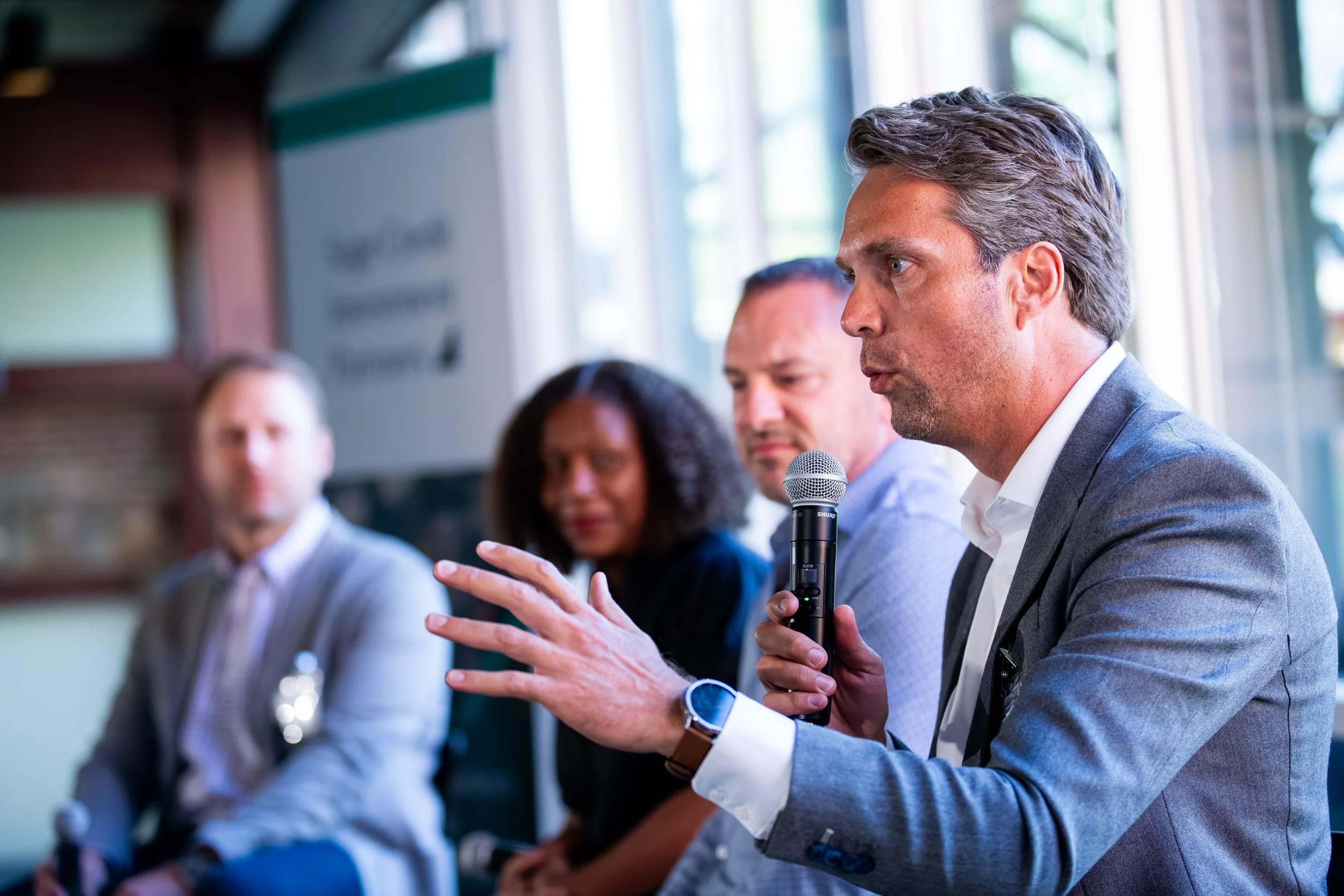
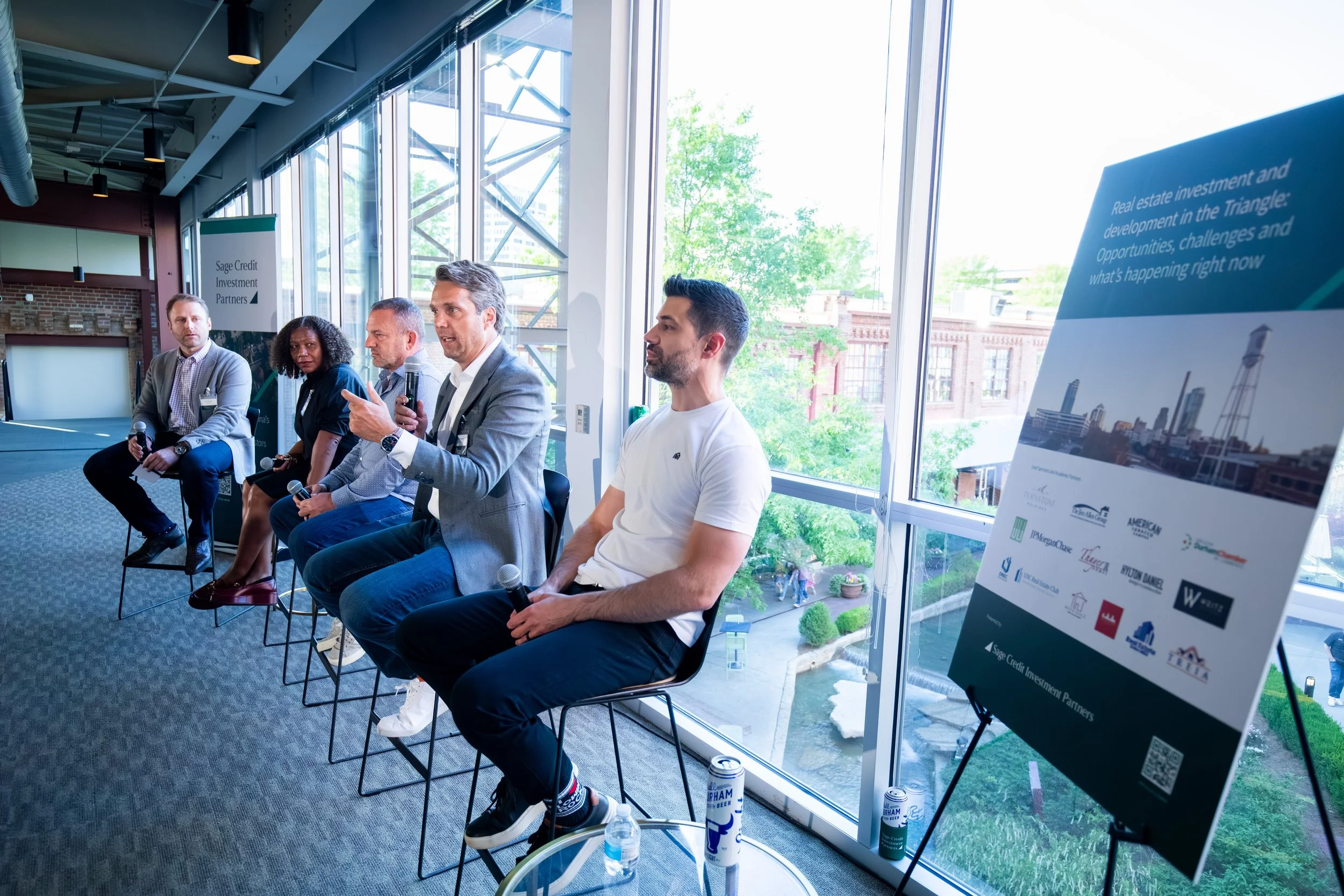
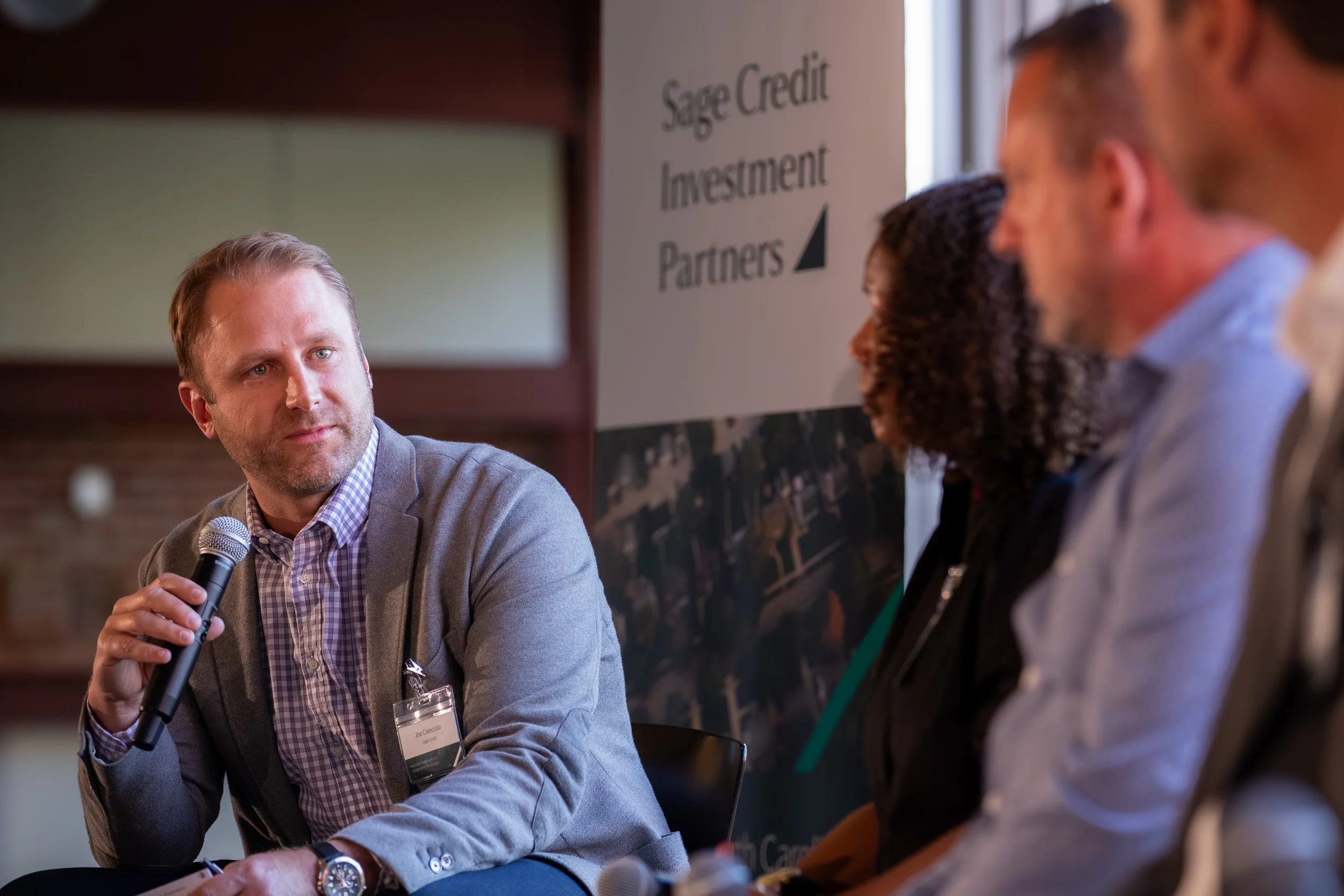
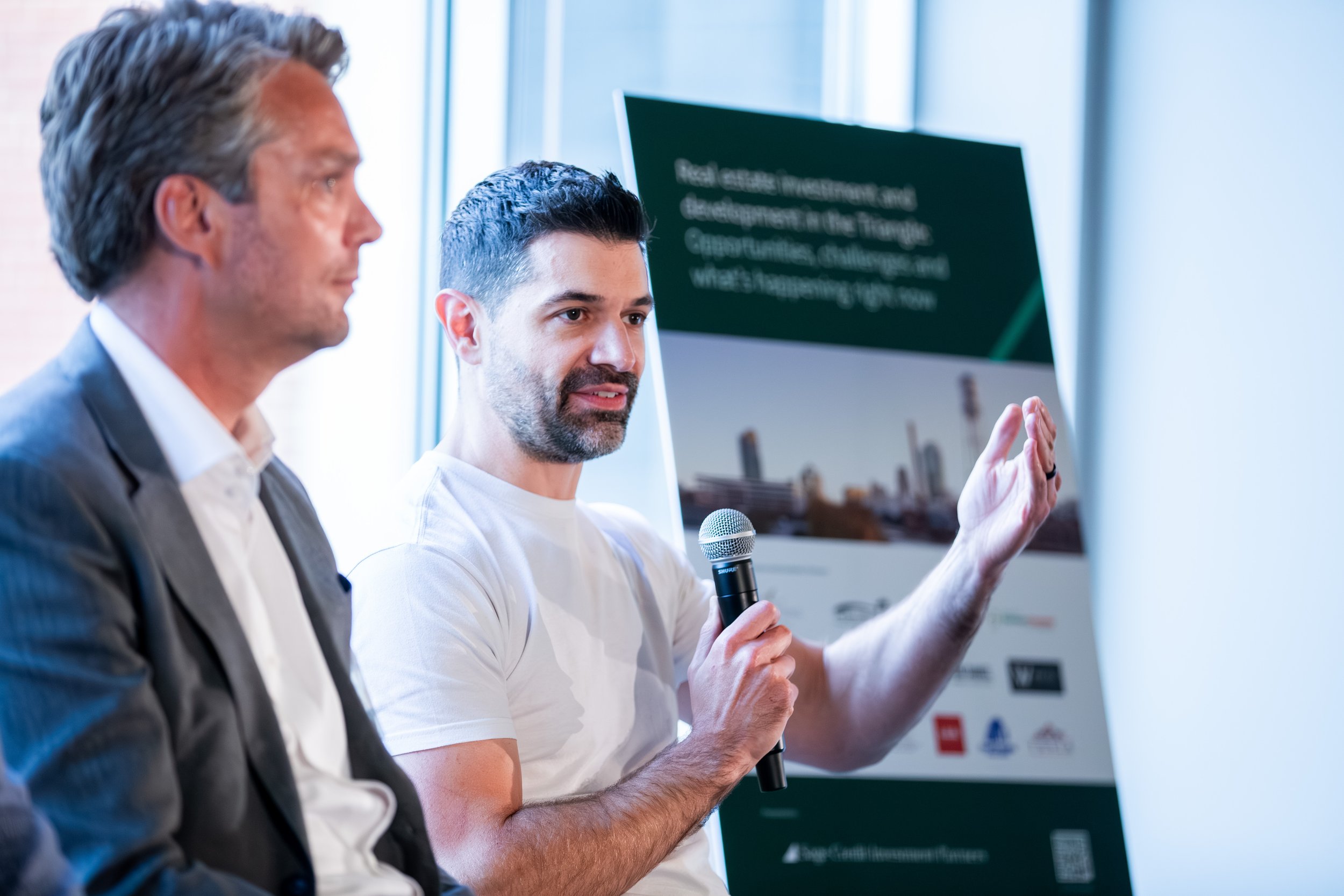
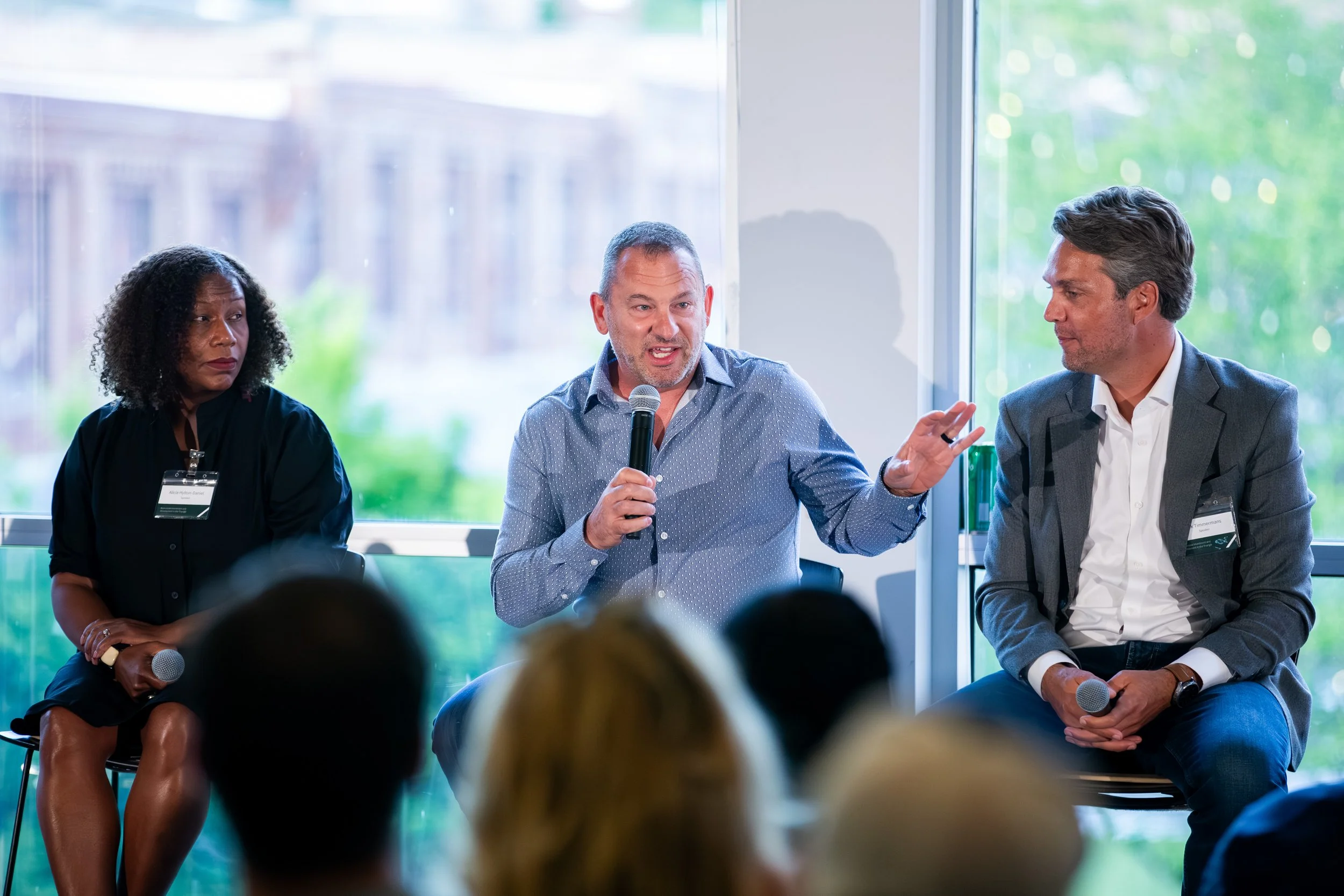
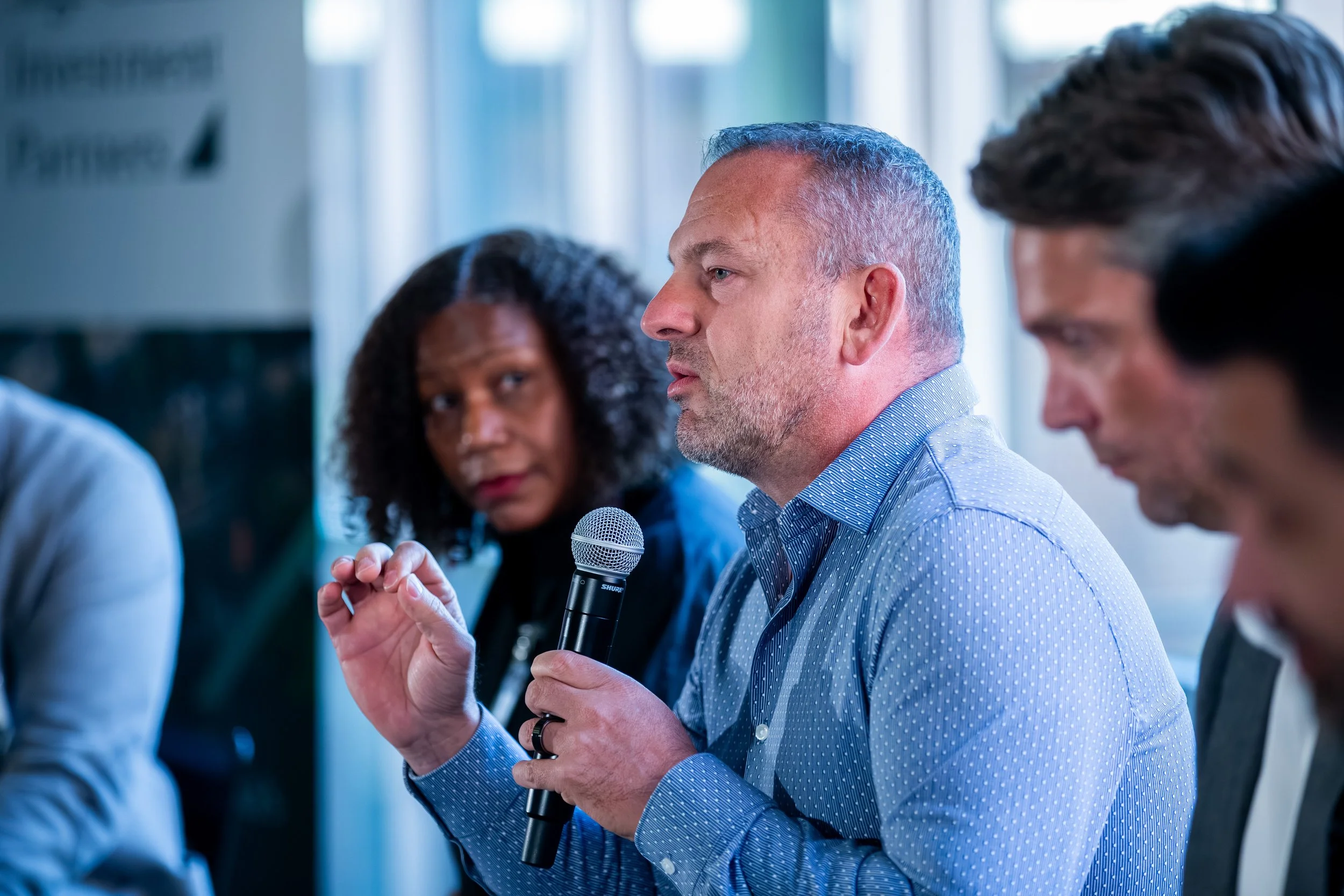
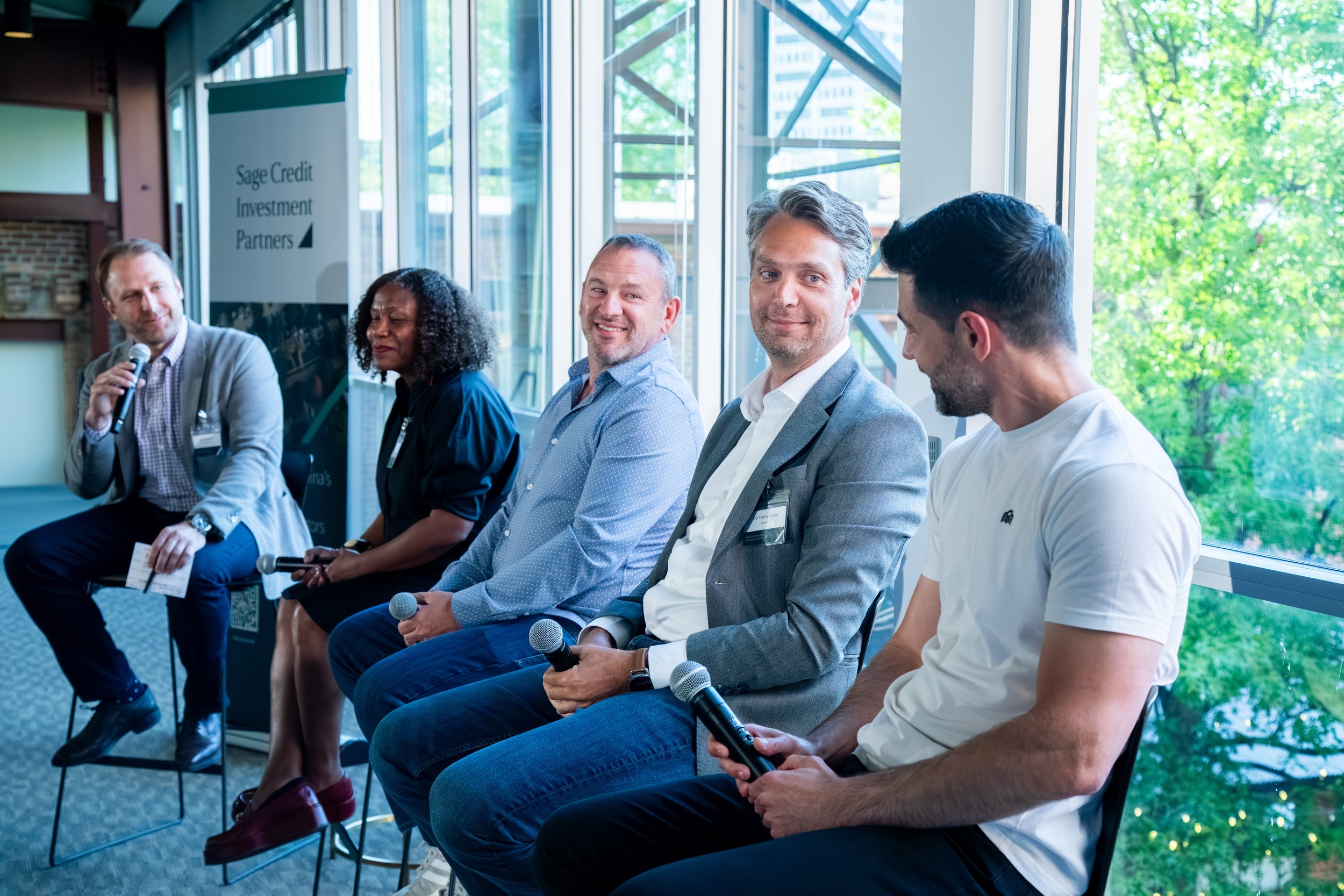
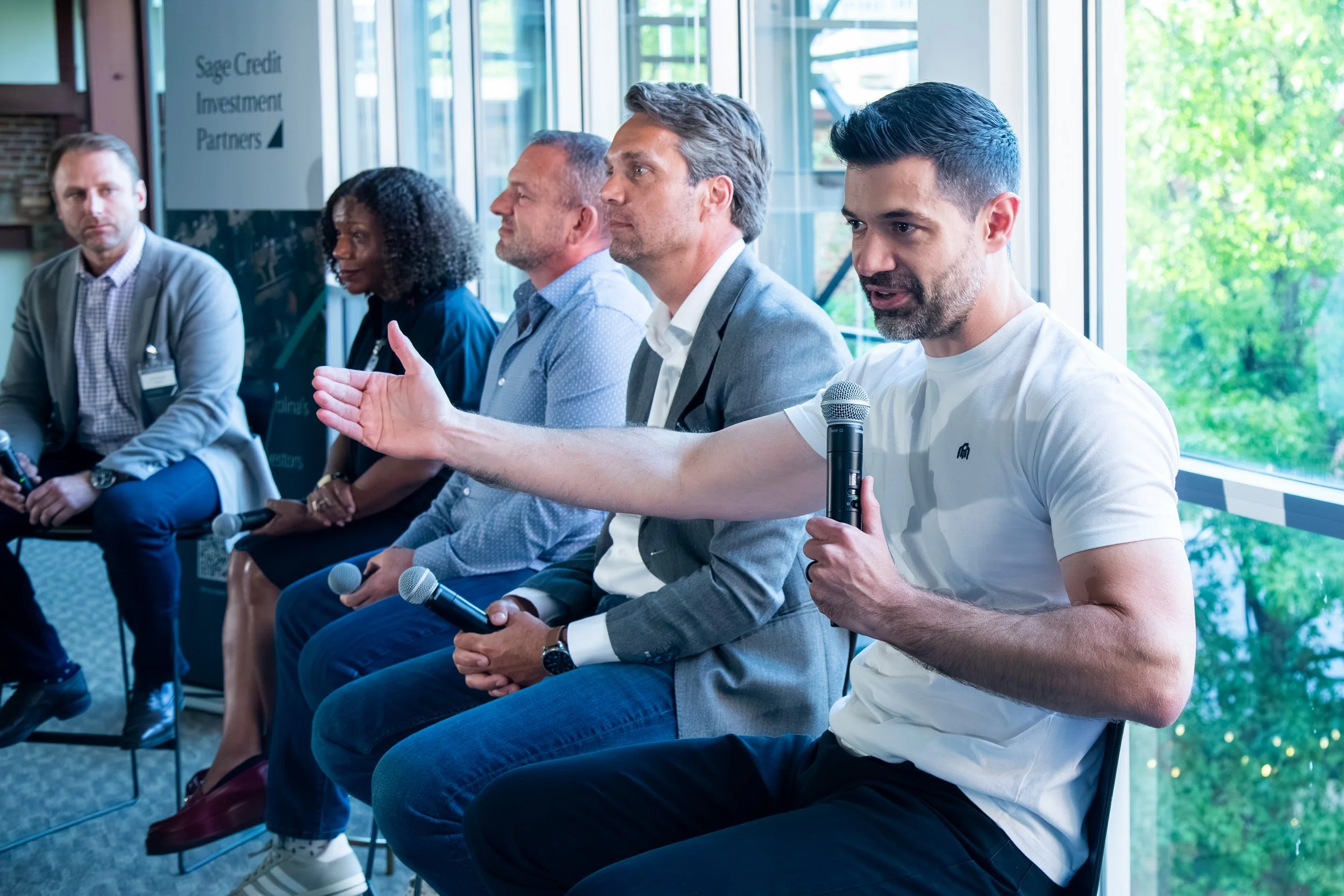
Panel 1: From infill to new suburbs: Which residential projects work in the Triangle
Panelists
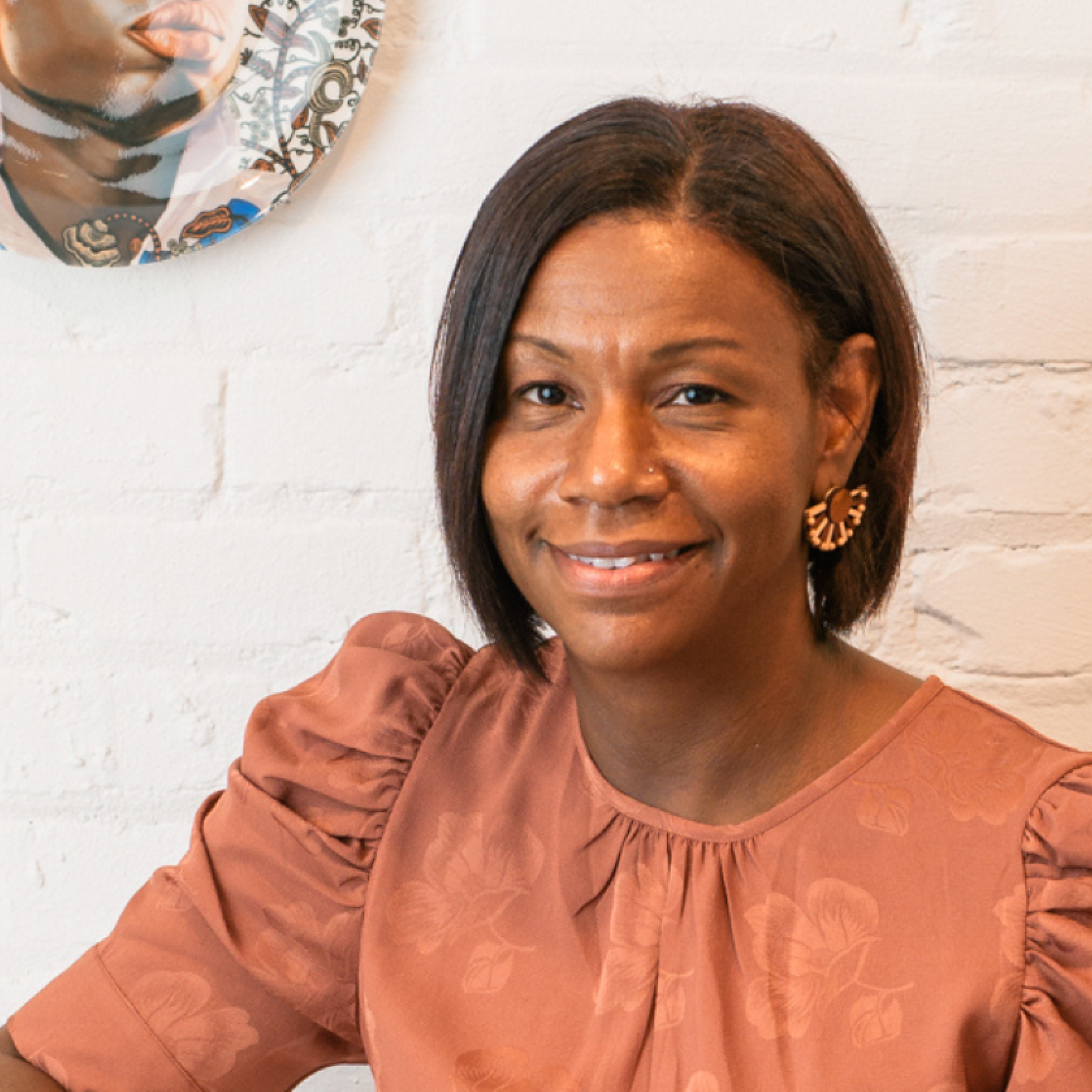
Alicia Hylton-Daniel
Founder, Hylton Daniel Design + Construction
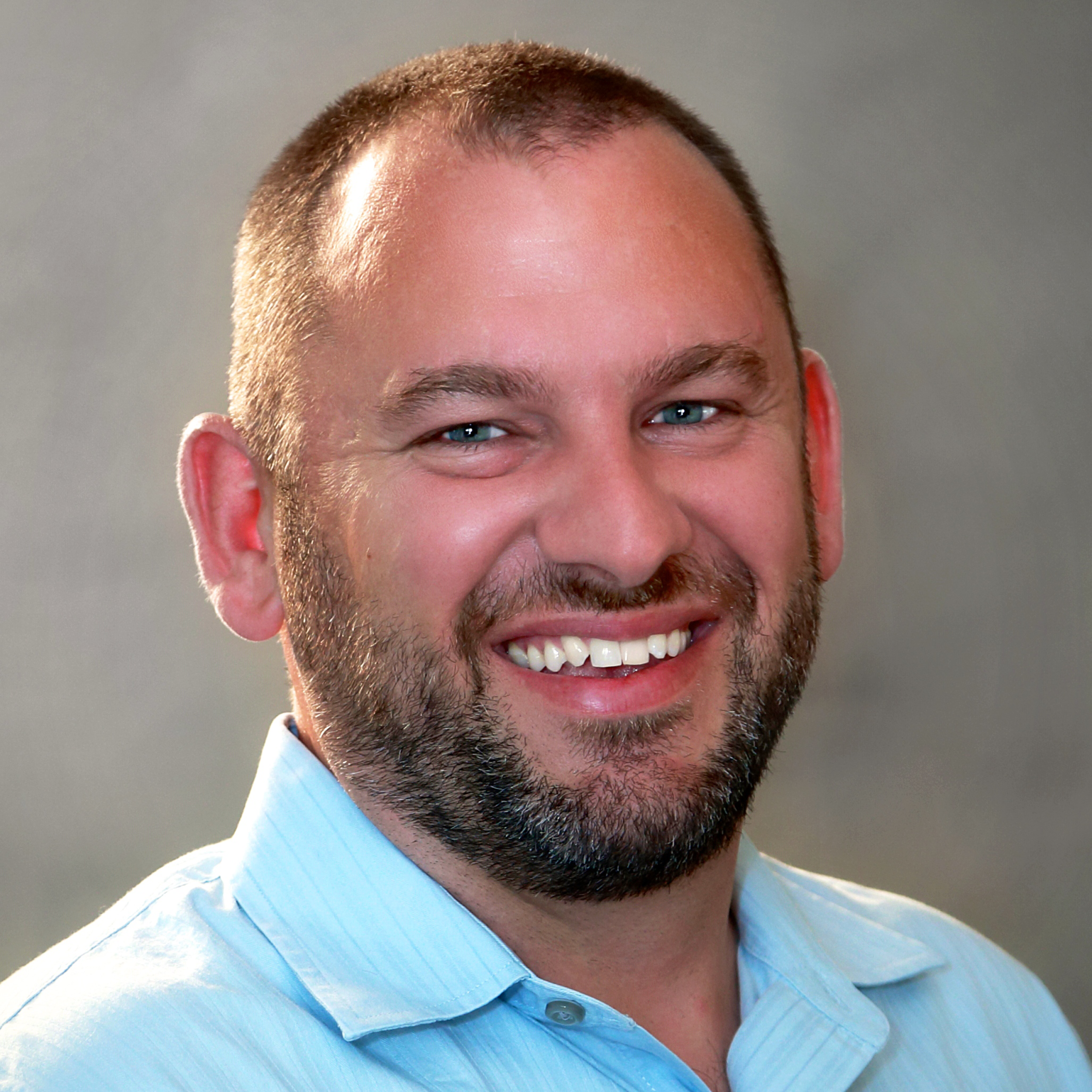
Terry Thayer
Founder, Thayer Homes
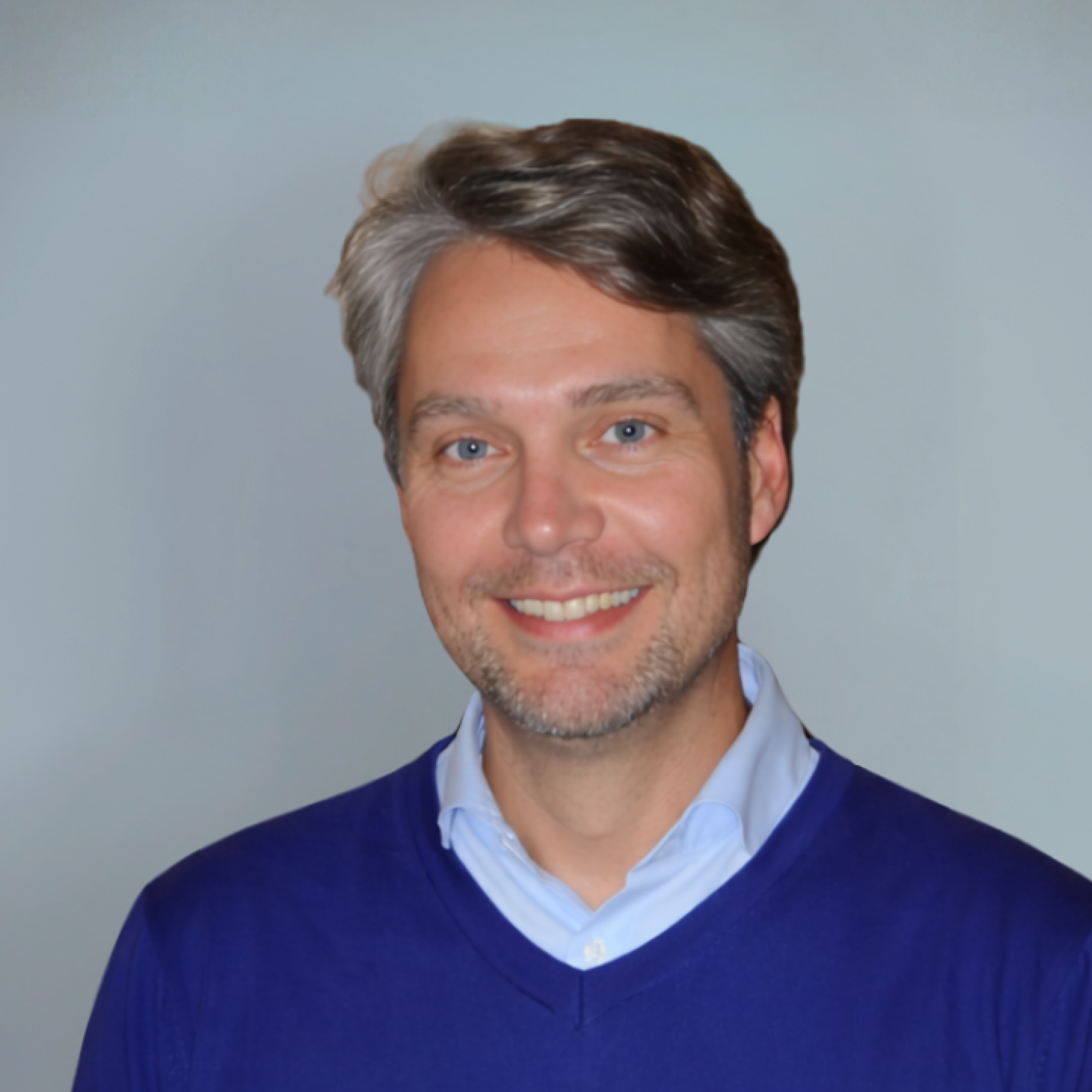
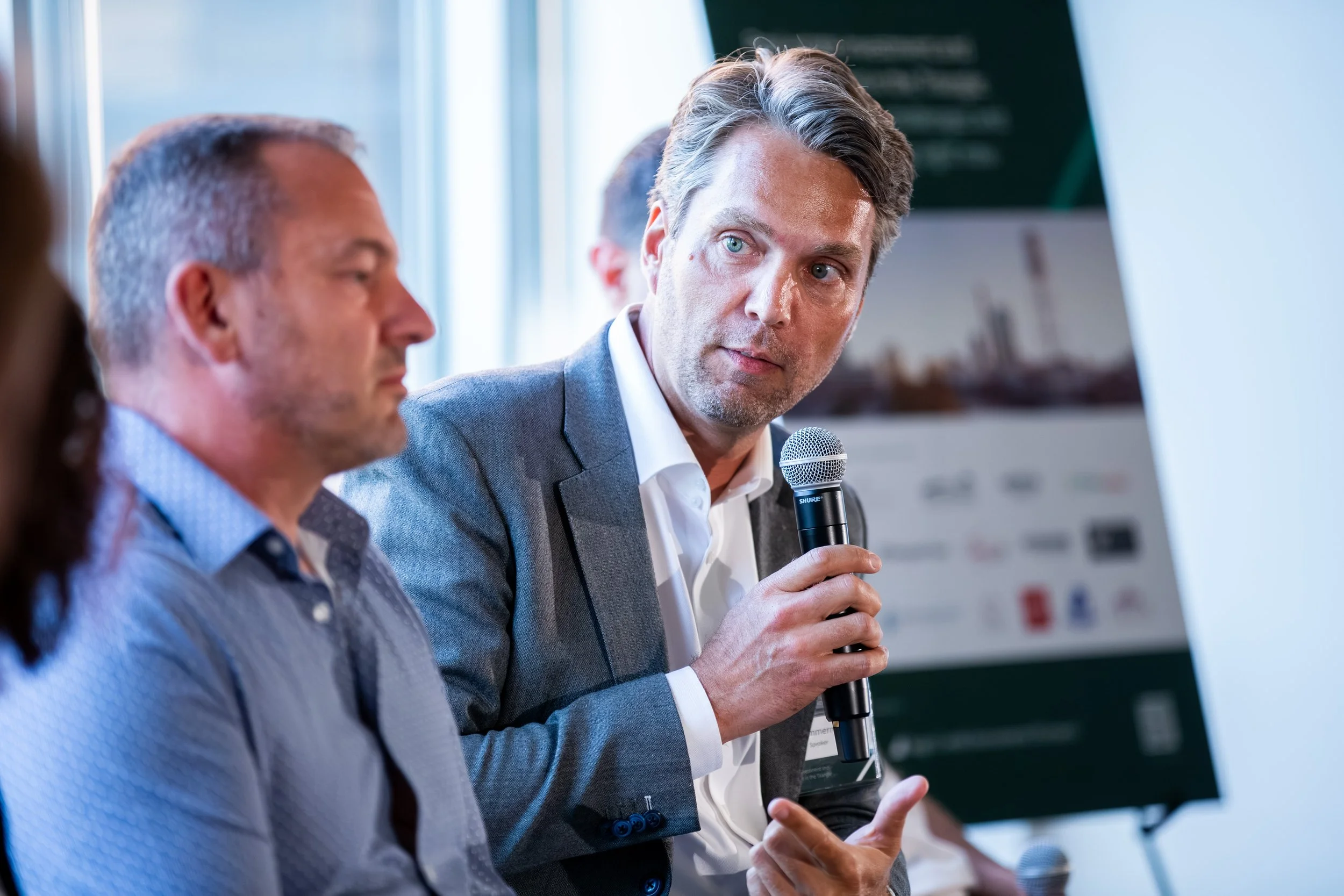
Erik Timmermans
President, Triangle Real Estate Investors Association

Tyler Weitz
Founder, Weitz Real Estate
Moderator

Joe Cianciolo
Chief Operating Officer, Sage Credit Investment Partners
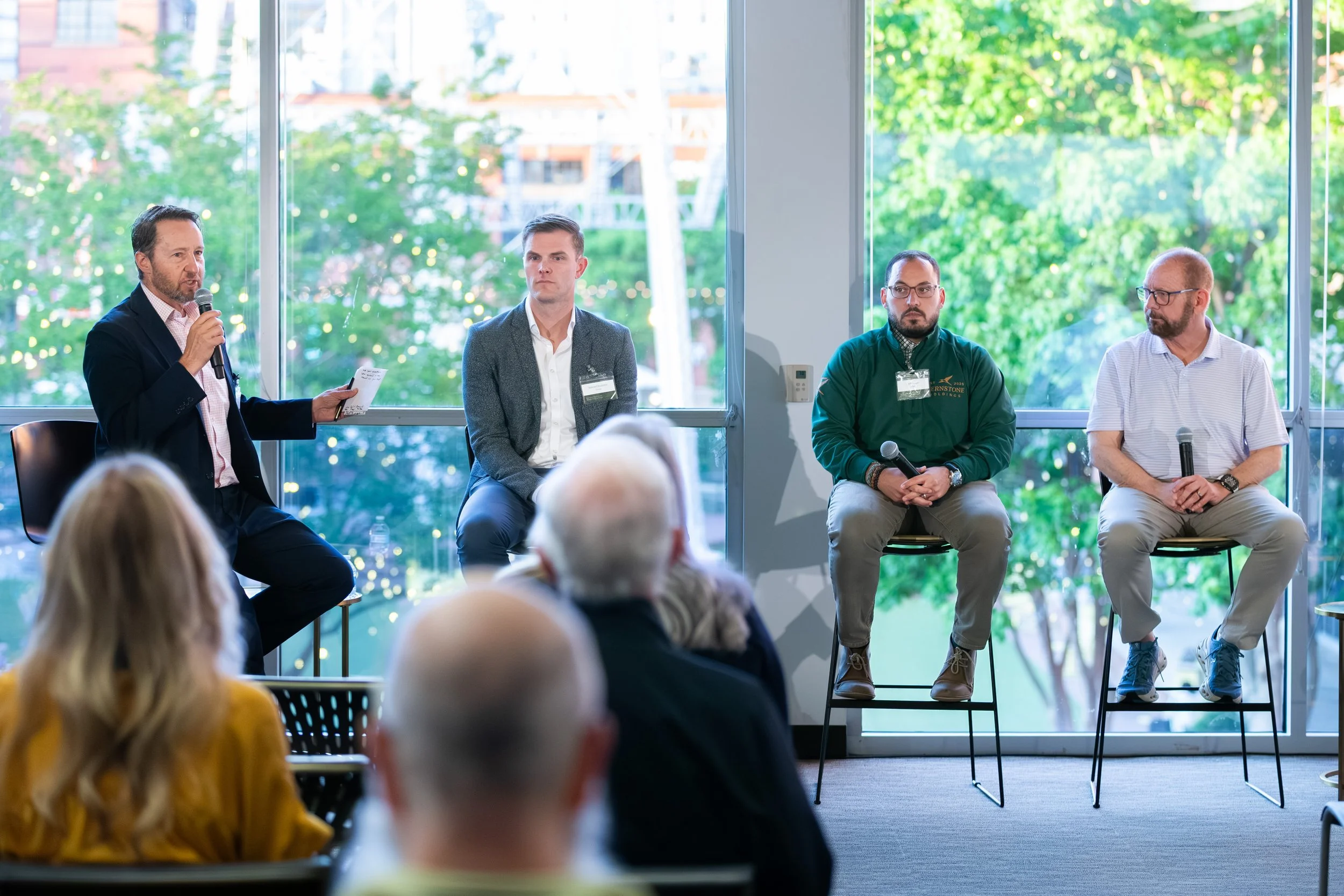
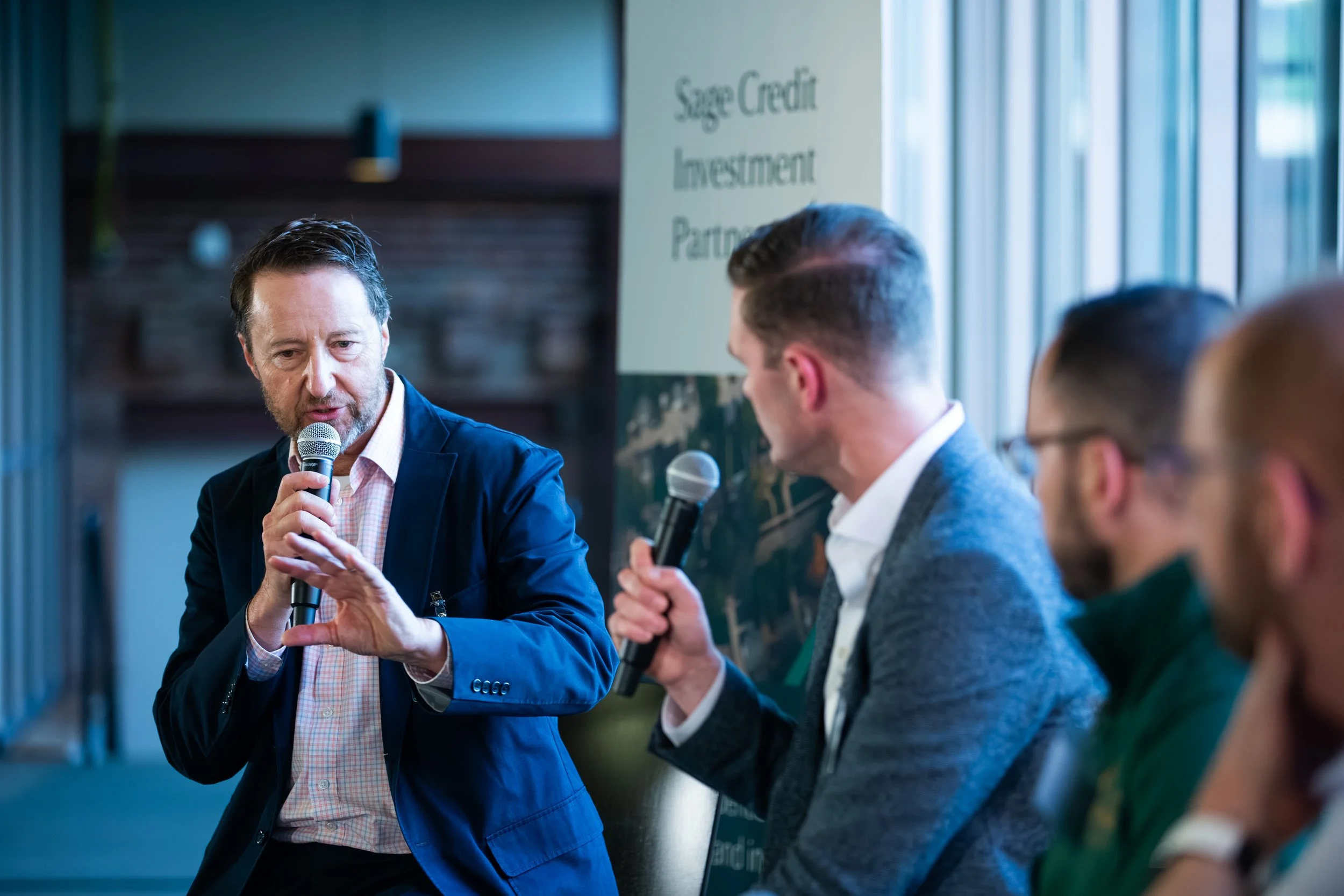
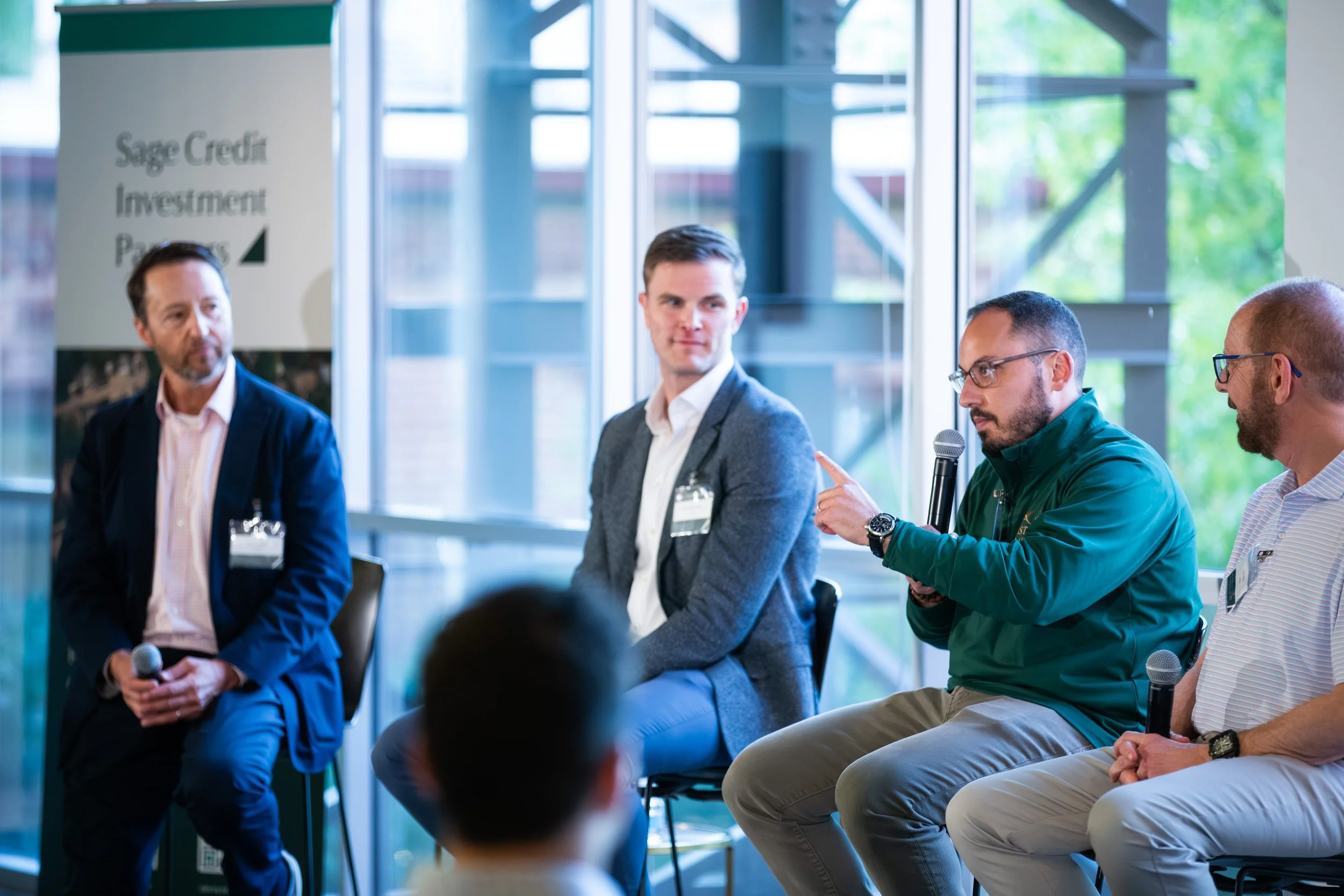
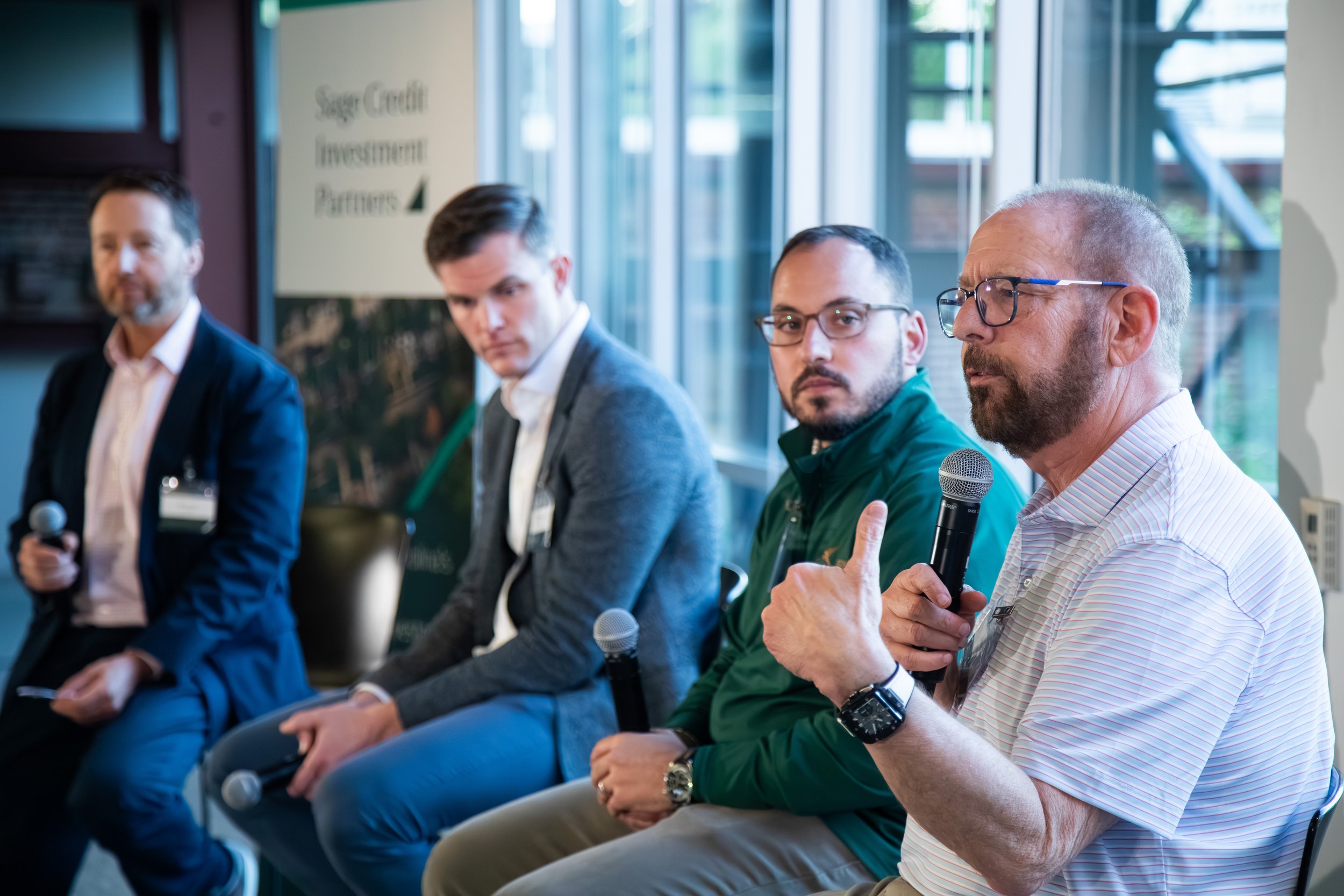
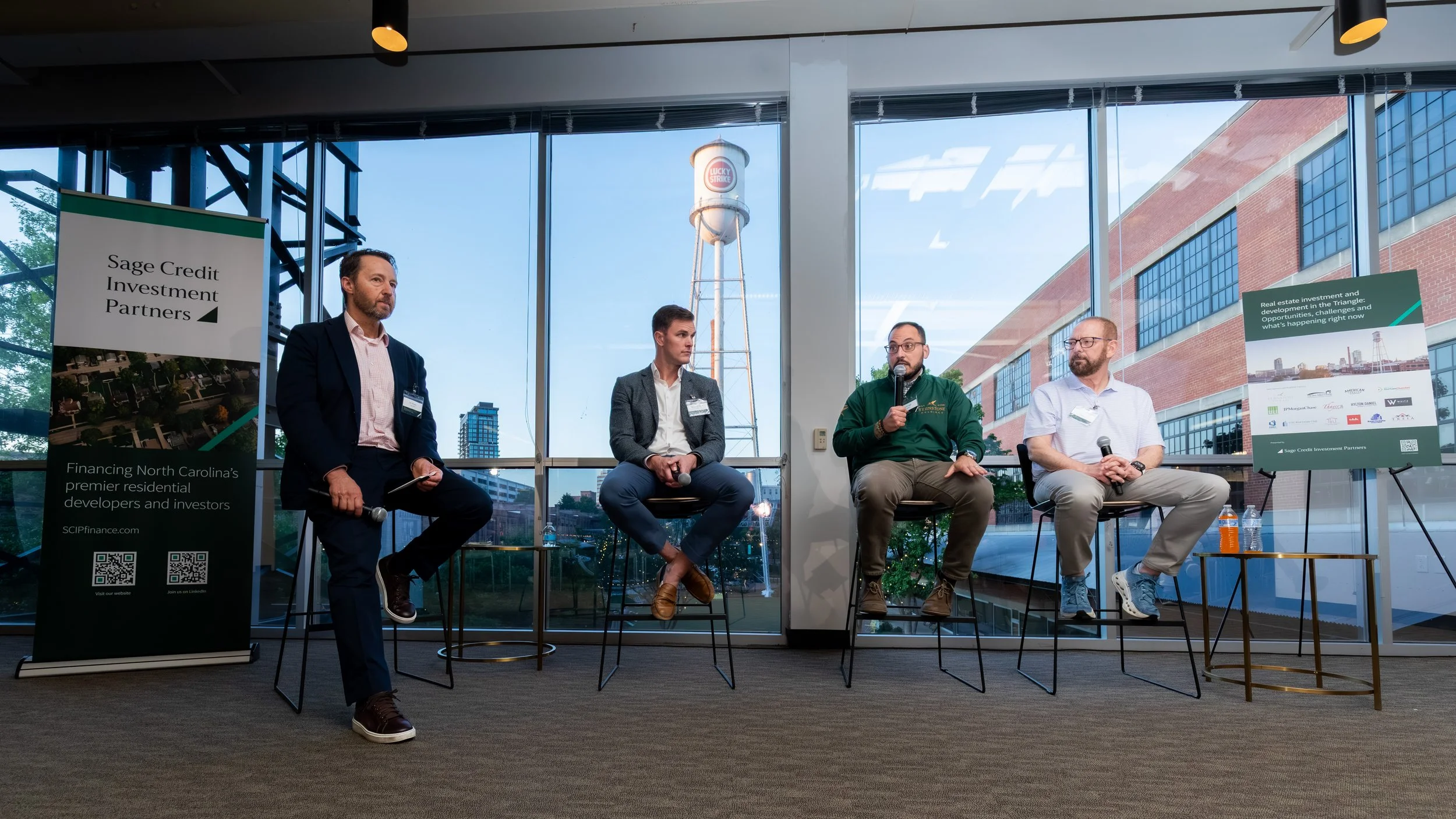
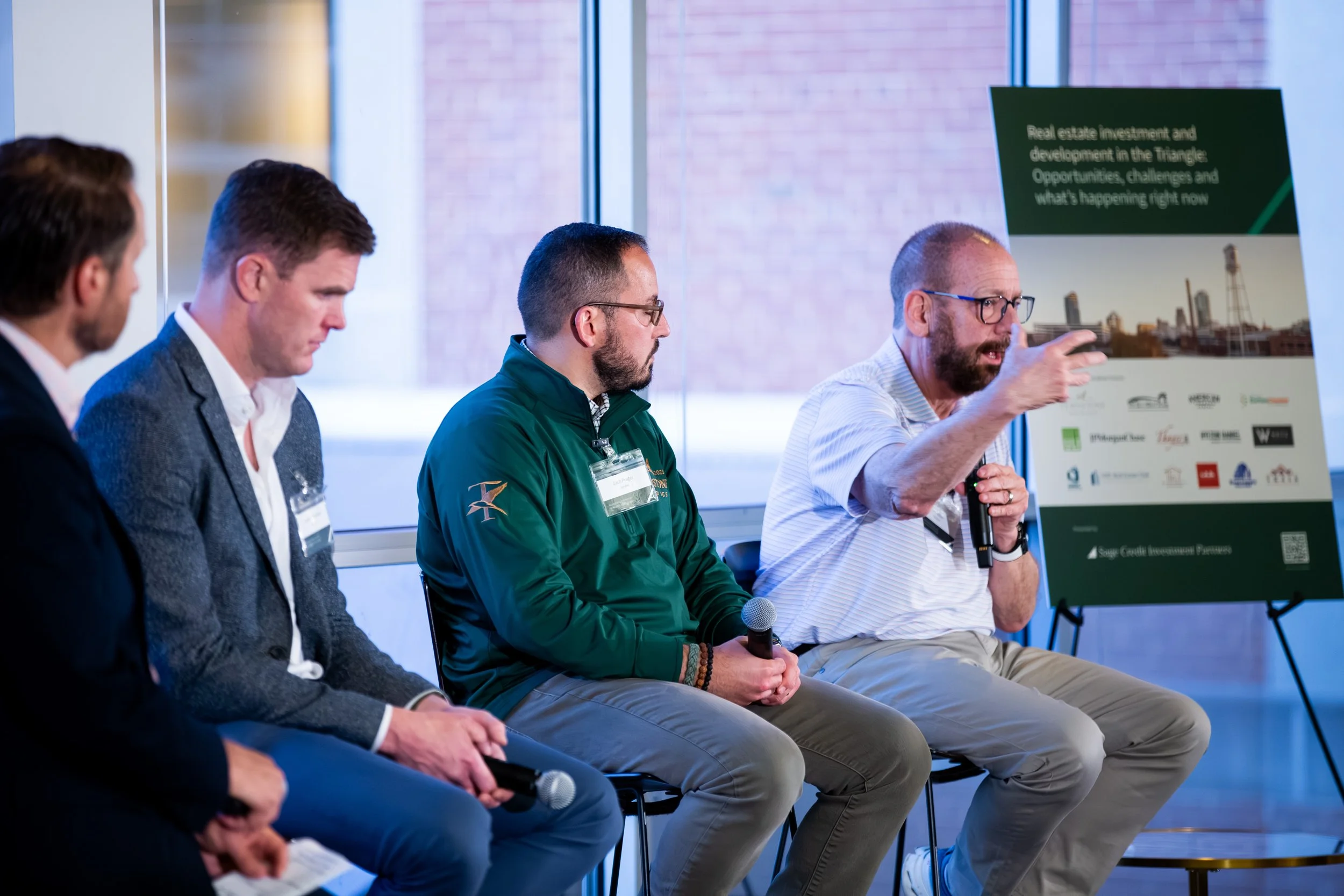
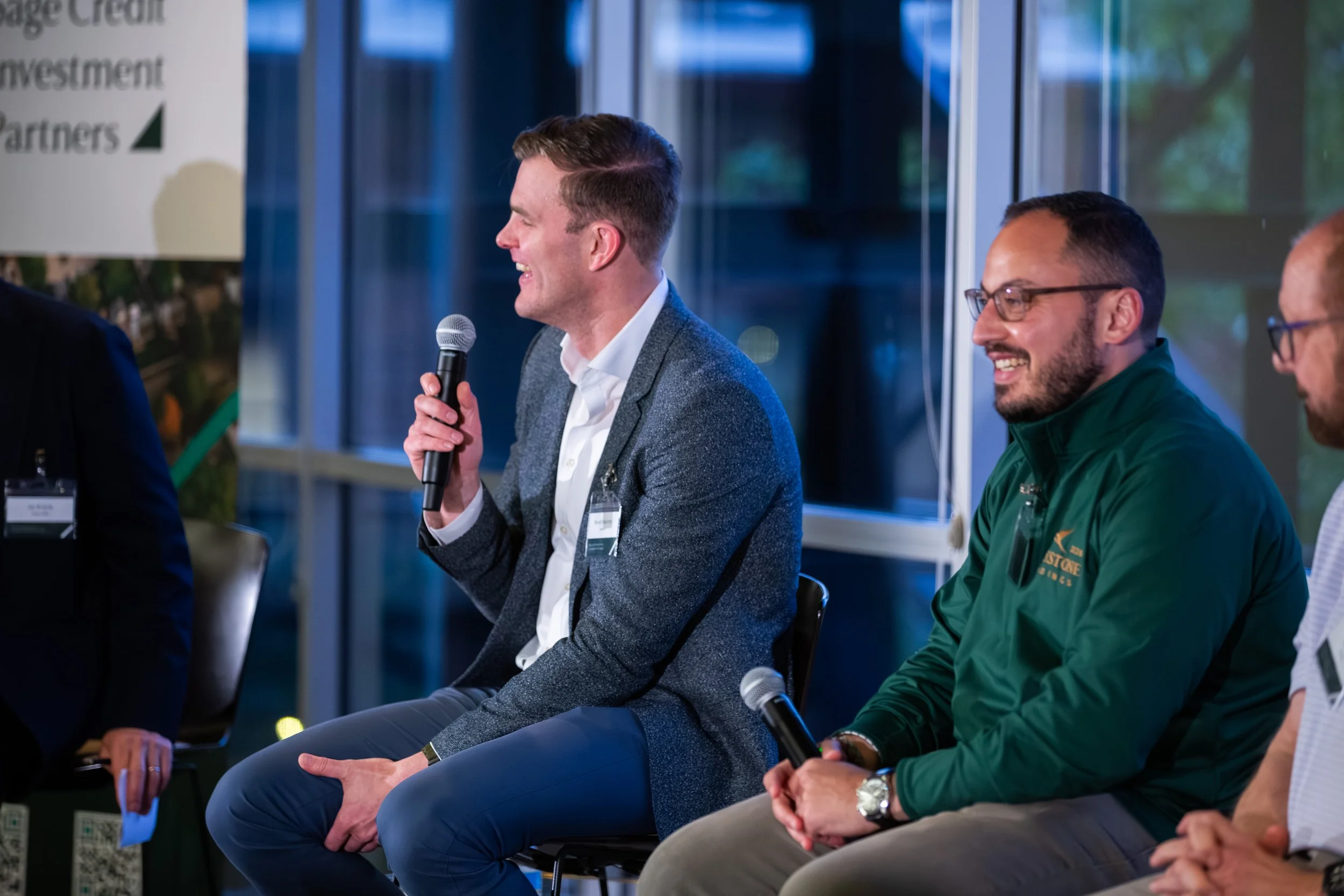
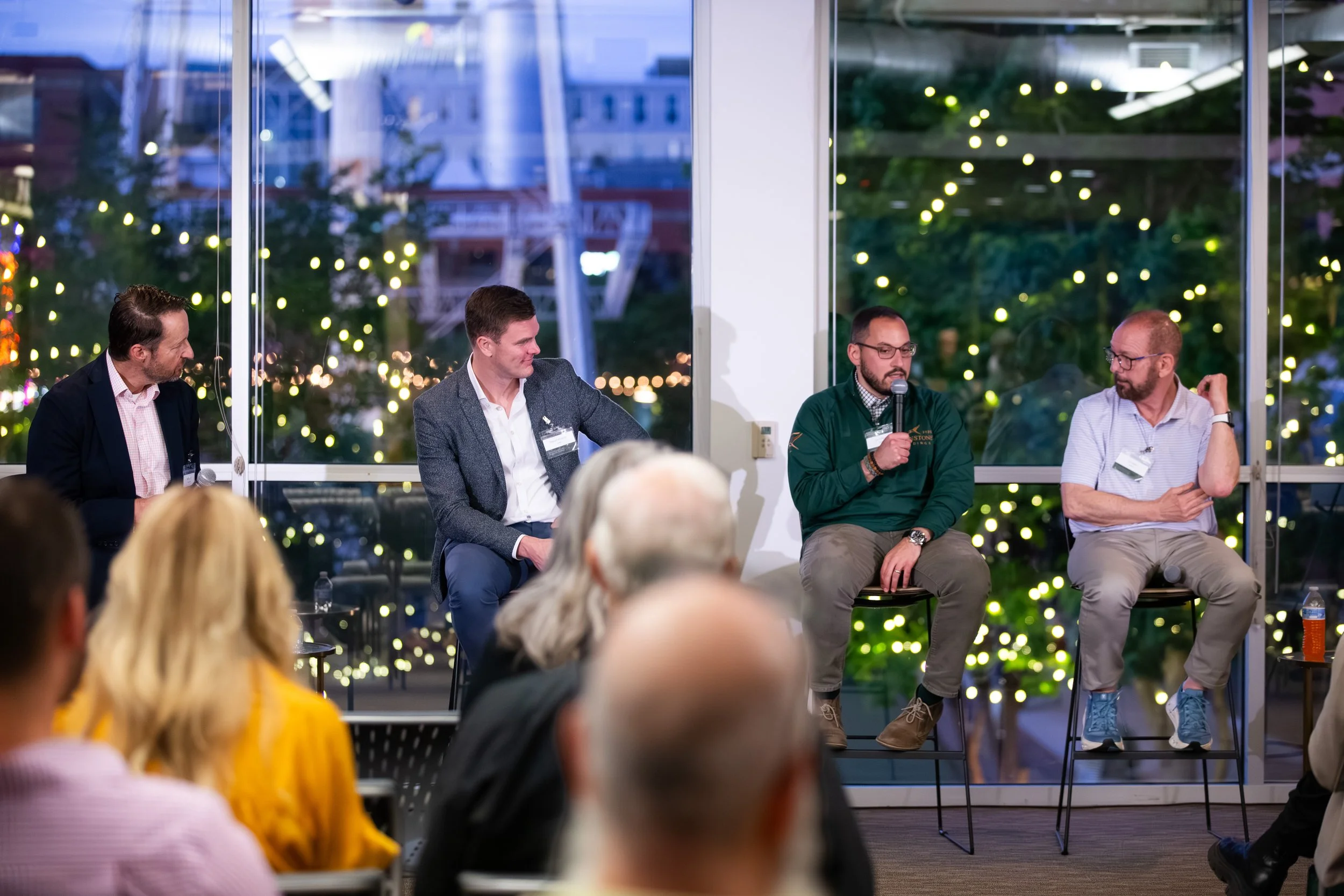
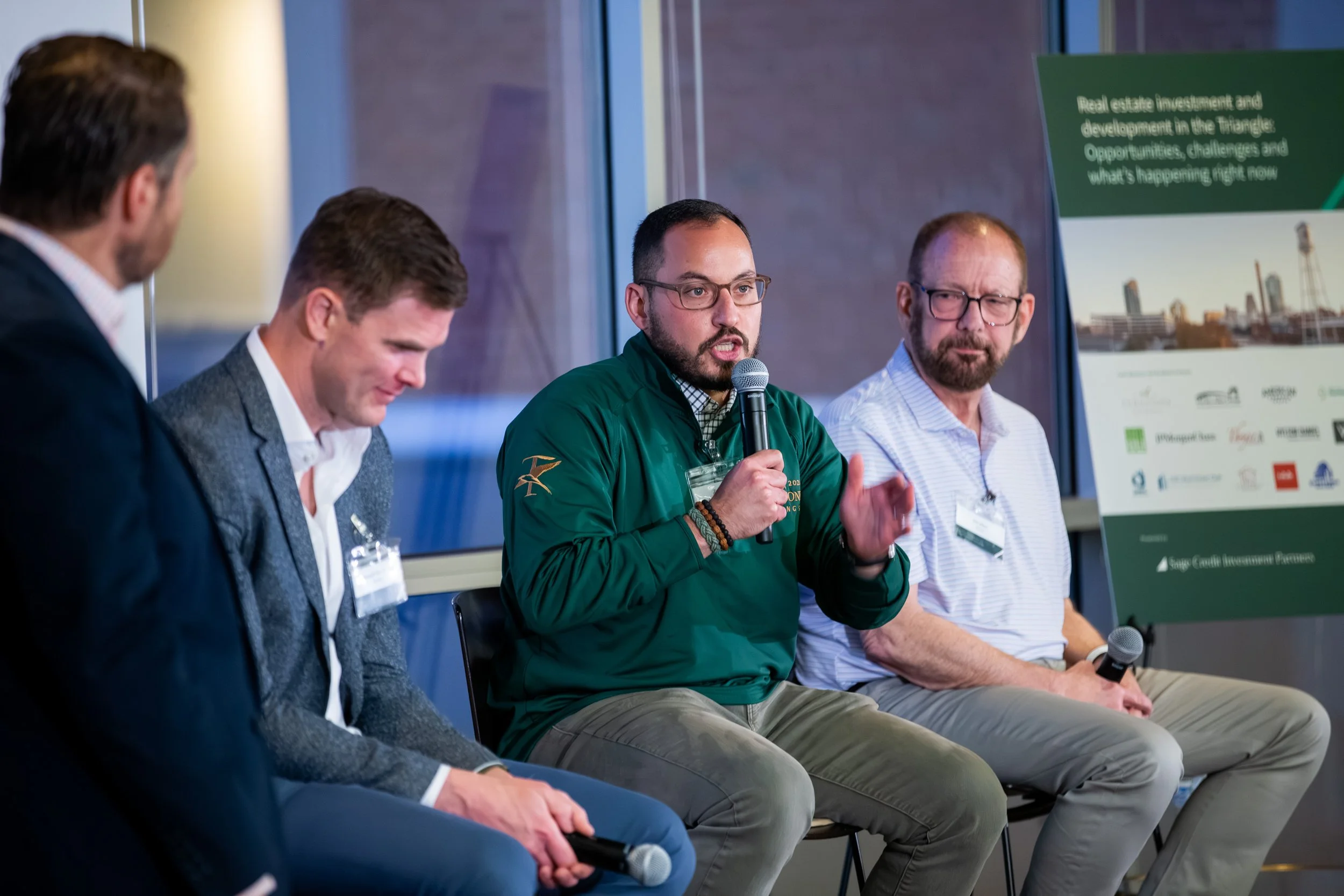
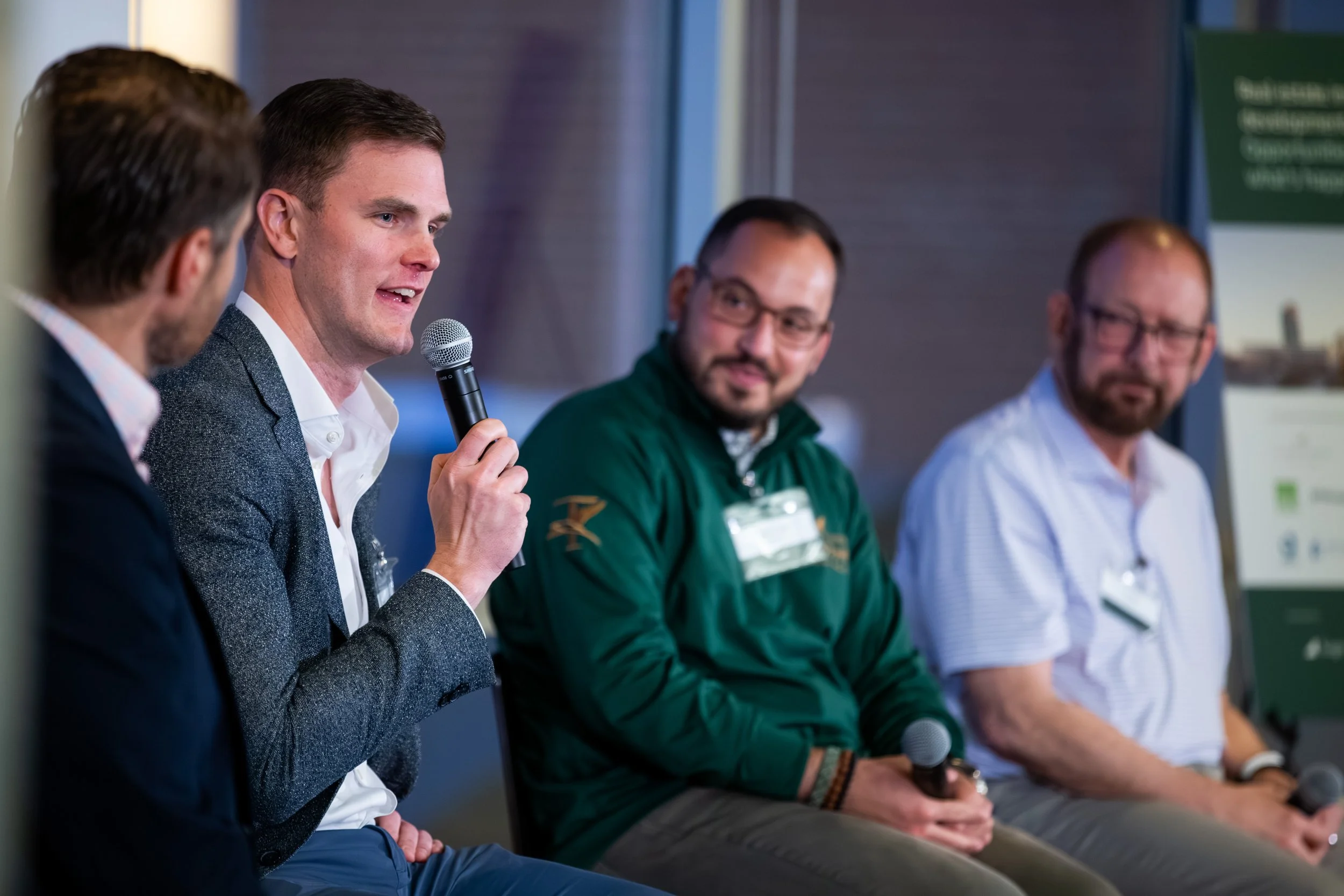
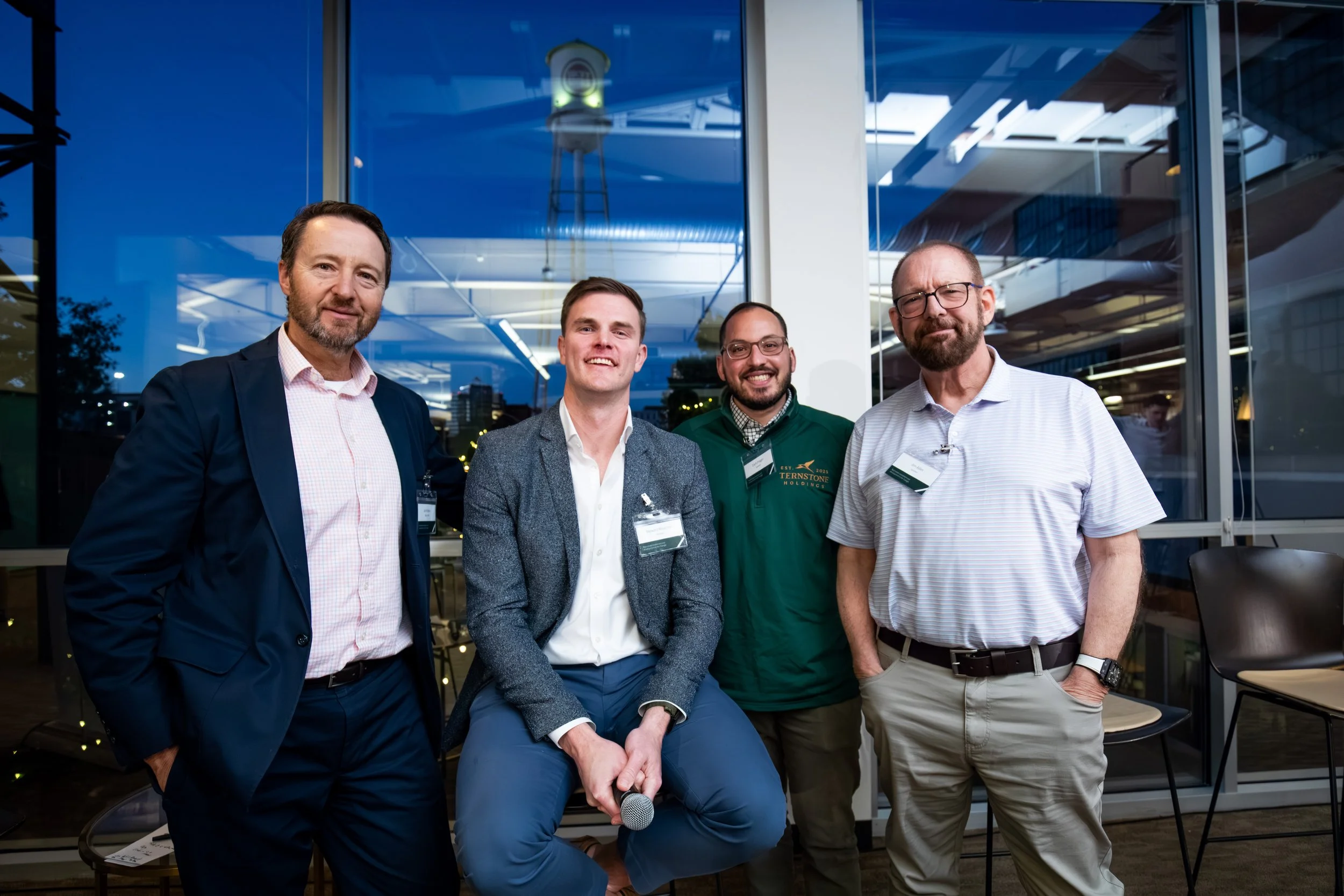
Panel 2: Triangle real estate investment and development outlook
Panelists
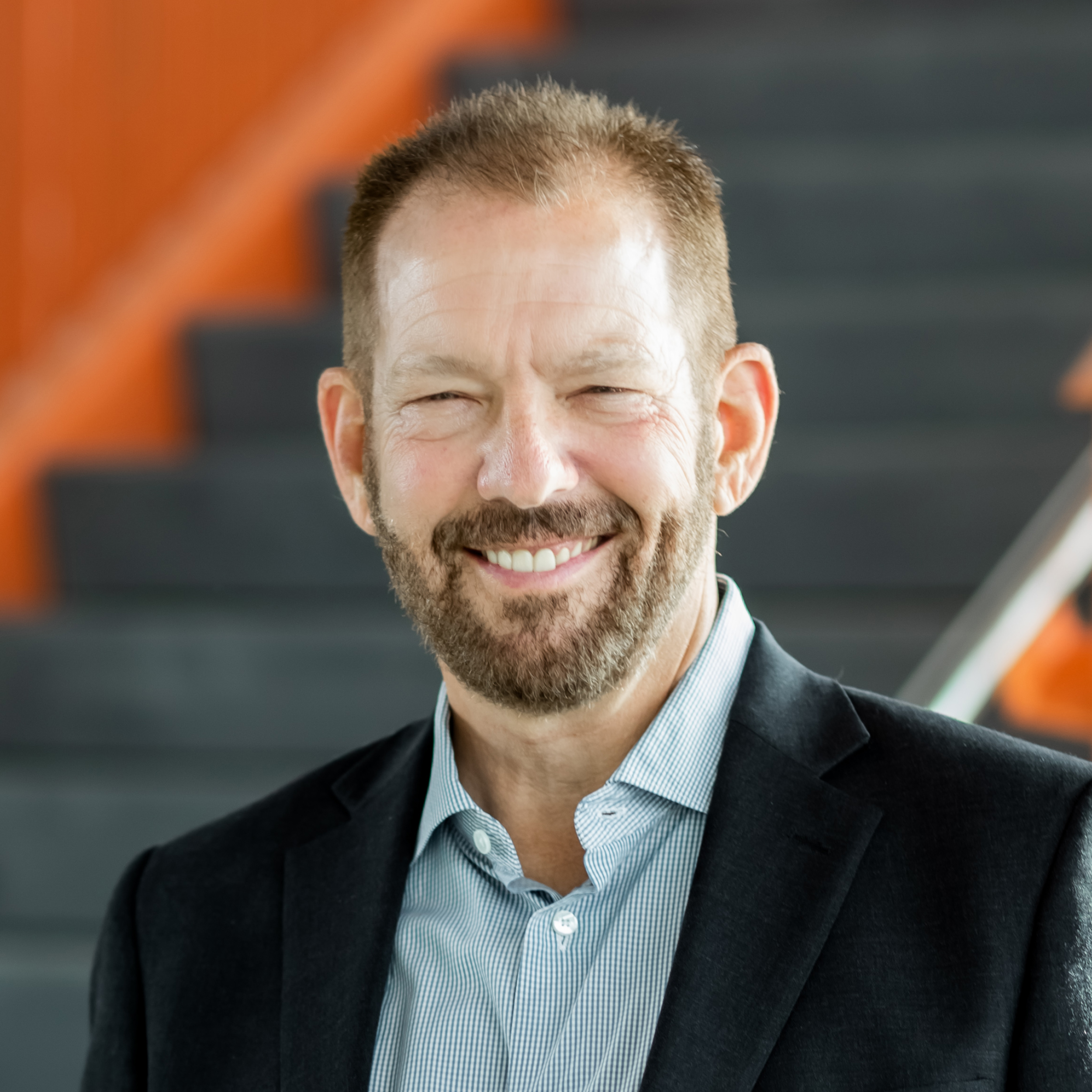
Jim Allen
Founder and President, Jim Allen Group
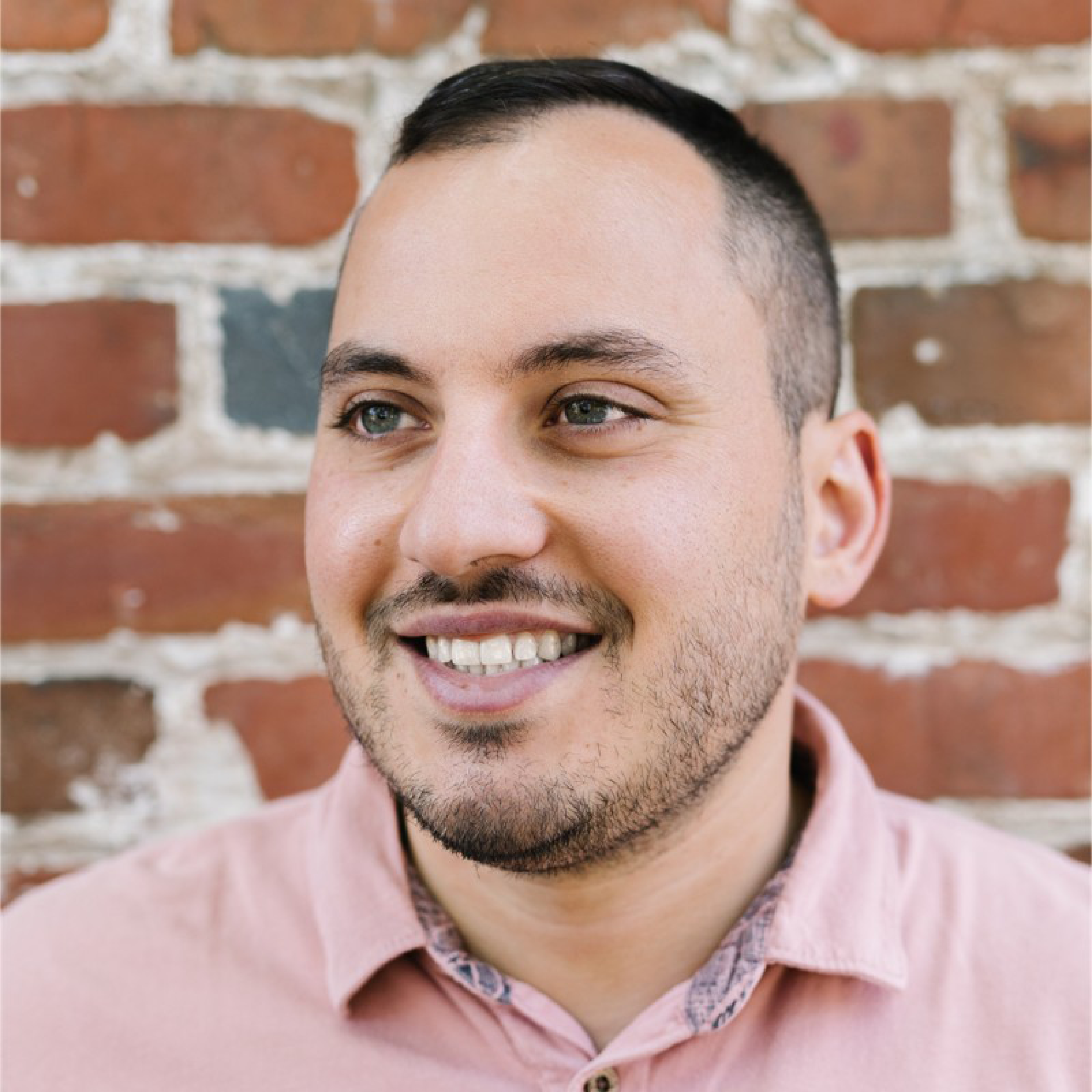
Zach Prager
Founder and Managing Principal, Ternstone Holdings
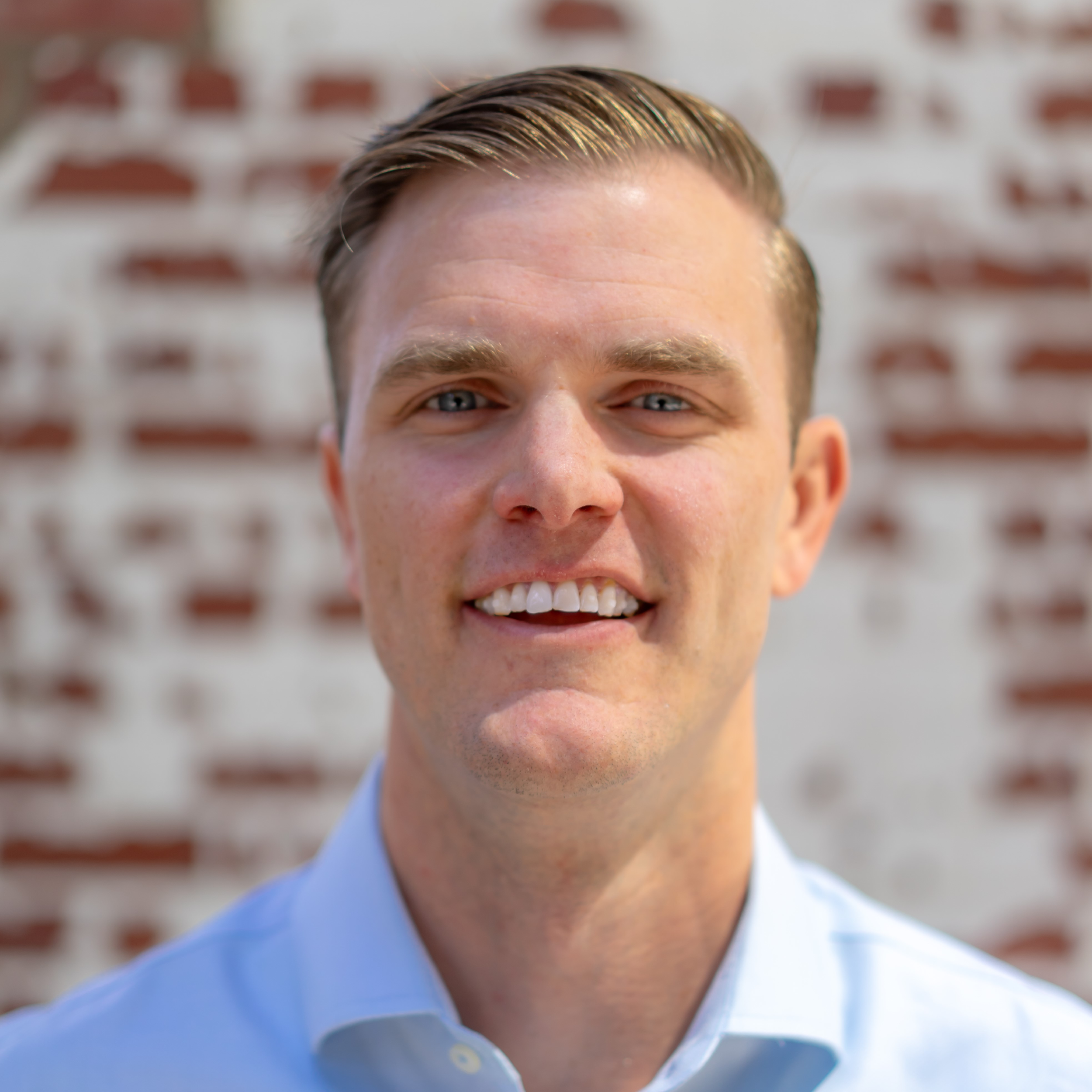
Stewart Roulston
Head of New Investments, Southeast and Midwest, J.P. Morgan Asset Management
Moderator
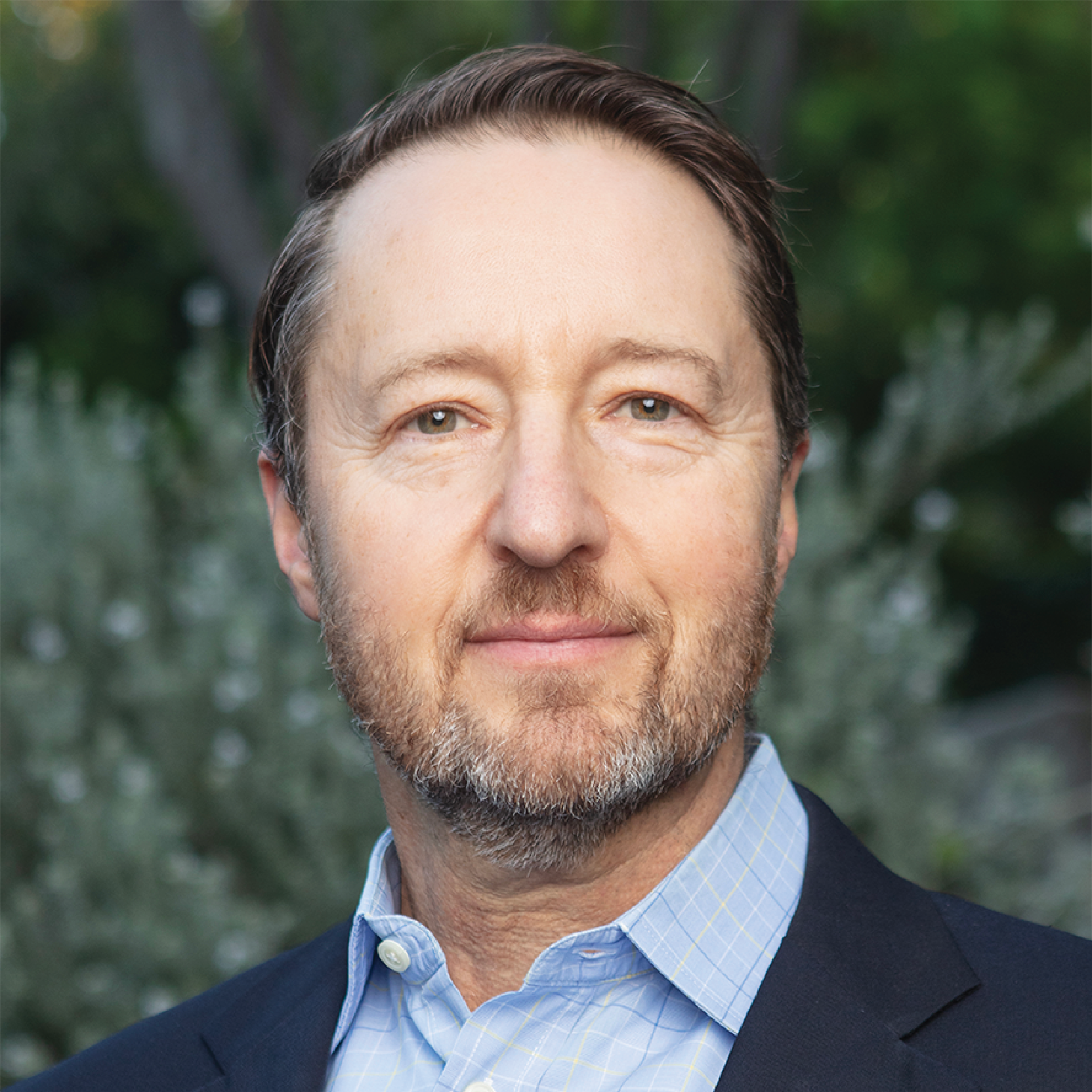
Jan Brzeski
Managing Director, Sage Credit Investment Partners
Stay connected
Did you attend the event? We'd love your feedback. Help us improve by filling out our event feedback form.
We plan to continue hosting this event annually and invite you to join us. Find us on LinkedIn and subscribe to our email list to stay informed about upcoming events, real estate news and thought leadership from our team.
Panel discussion — what we heard
Our panelists brought a combined depth of experience that kept the conversation grounded and specific. Across both sessions, a few consistent themes emerged.
Design and product fit: what sells in the Triangle today
Design is a sales driver at every price point. The first panel made clear that buyers respond to thoughtful site planning and lot layout as much as, or more than, square footage. Projects that prioritize how a home actually lives tend to move faster and command better prices than those optimizing for maximum buildable area. Interior finishes matter too, both at the high end and in more standard homes, and the bar for what buyers expect has risen across the market. Demographic shifts are reshaping what the right product looks like. An aging buyer pool is one factor shaping product decisions. Demand for single-floor living is real, and elevators are becoming increasingly relevant in multi-story homes. But this is one shift among several. The broader takeaway is that builders who stay close to who is actually buying in their submarket are better positioned than those designing to a static profile.
Who's moving here and what they expect
Migration from major metros continues to shape demand. Buyers relocating from New York, Washington, D.C., California, and other high-cost locations arrive with a specific set of expectations: walkability, a sense of community, proximity to amenities and a higher baseline for design quality. Their prior experience informs what they consider acceptable, which is pulling standards upward across the Triangle. The luxury segment remains a bright spot. Homes above $1 million are performing well, and the market's upper end has shown more resilience than segments below it, driven in part by who is moving here and what they are accustomed to spending.
The constraints that determine project viability
Utilities are a consistent challenge. Sewer, water and power availability shape how complex and costly a project becomes. The easier the connection to existing infrastructure, the more straightforward the path to execution, and experienced builders treat utility access as an early diligence priority. Zoning codes are becoming more navigable. These documents have always rewarded deep familiarity, and panelists noted that AI tools are beginning to facilitate a broader understanding of what is possible on a given site, making regulatory research faster and more accessible. Vacant lots often aren't what they appear. Parcels that have sat undeveloped frequently carry hidden constraints, including deed restrictions, impervious surface limits and offset configurations tied to adjacent projects. Understanding why a lot hasn't been built on is as important as evaluating whether it can be.
Large-Scale Multifamily: a pause, not a retreat
Financing remains a persistent hurdle. Equity requirements for apartment development have been a consistent challenge, and capitalizing new projects continues to require patience and creativity. Most projects currently underway across the Triangle are filling up rather than breaking ground, and new starts have slowed as a result. The next cycle is coming. Despite the current pause, the broader sentiment was that multifamily in the Triangle is approaching another period of development activity. The fundamentals that drive apartment demand here, population growth, employment and in-migration, haven't gone away.
Other things that were discussed
The Triangle remains one of the most compelling real estate markets in the country, supported by job growth, university anchors and sustained in-migration.
Surrounding markets such as Rocky Mount and Fayetteville were characterized as more speculative, with less proven return profiles. Bedroom communities for the Triangle will develop over time, but which towns see meaningful growth and when is still an open question.
Dense projects come with more neighbors to manage; lower-density projects often face stronger individual opposition. Neither path is without friction.
Investors still track IRR and similar metrics, but the panelists pushed back on optimizing for isolated numbers at the expense of understanding a market's underlying trajectory.
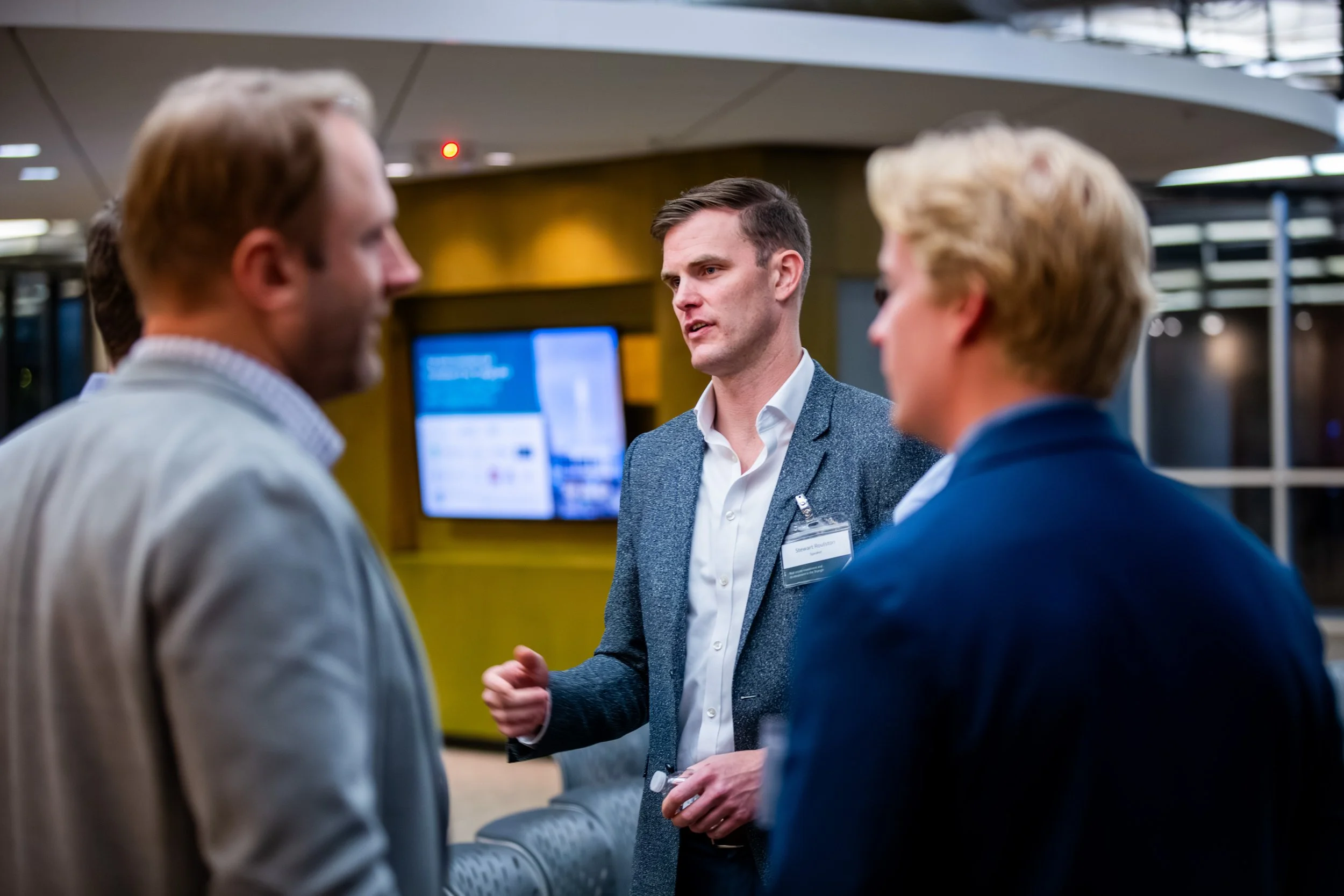
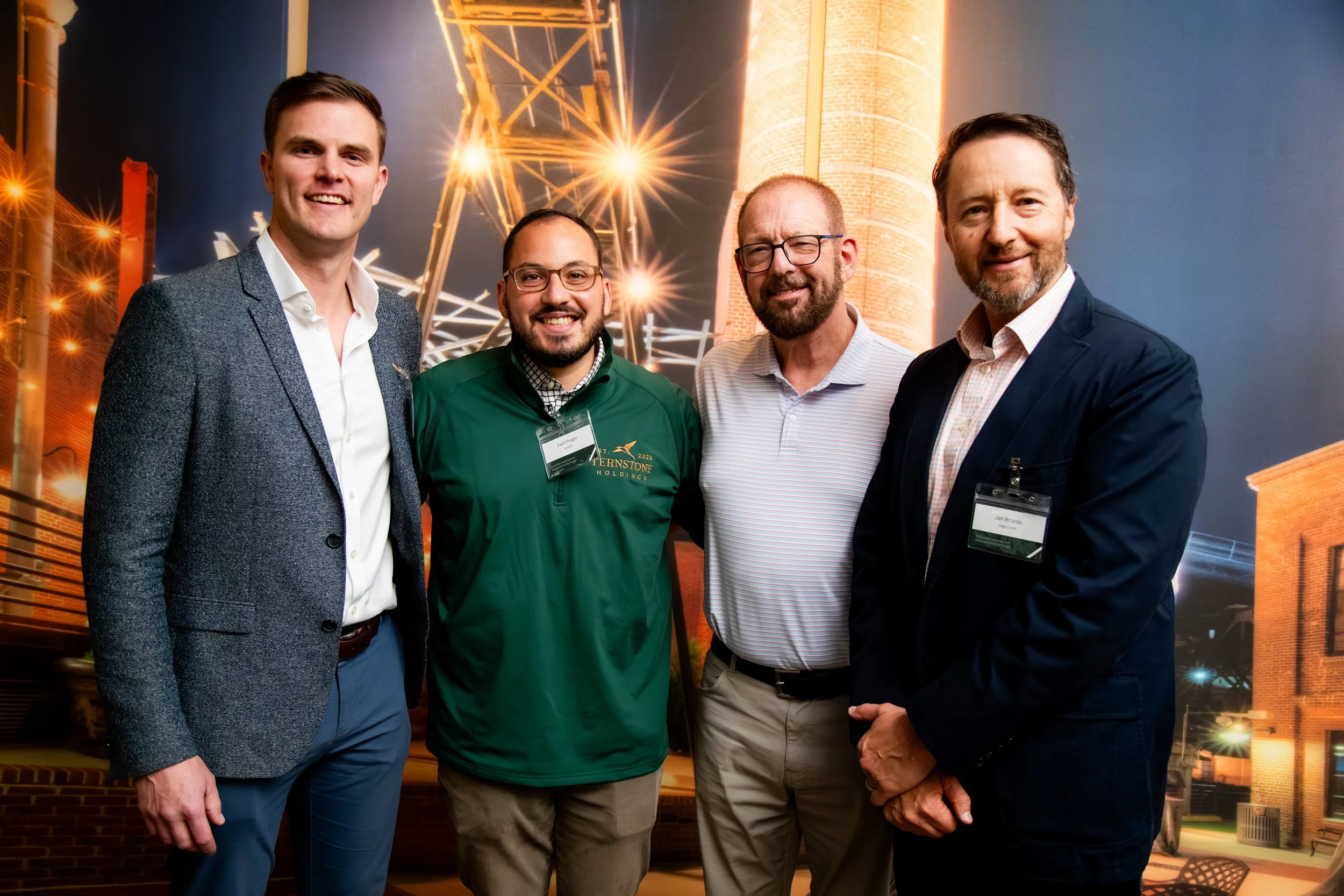
Networking Gallery












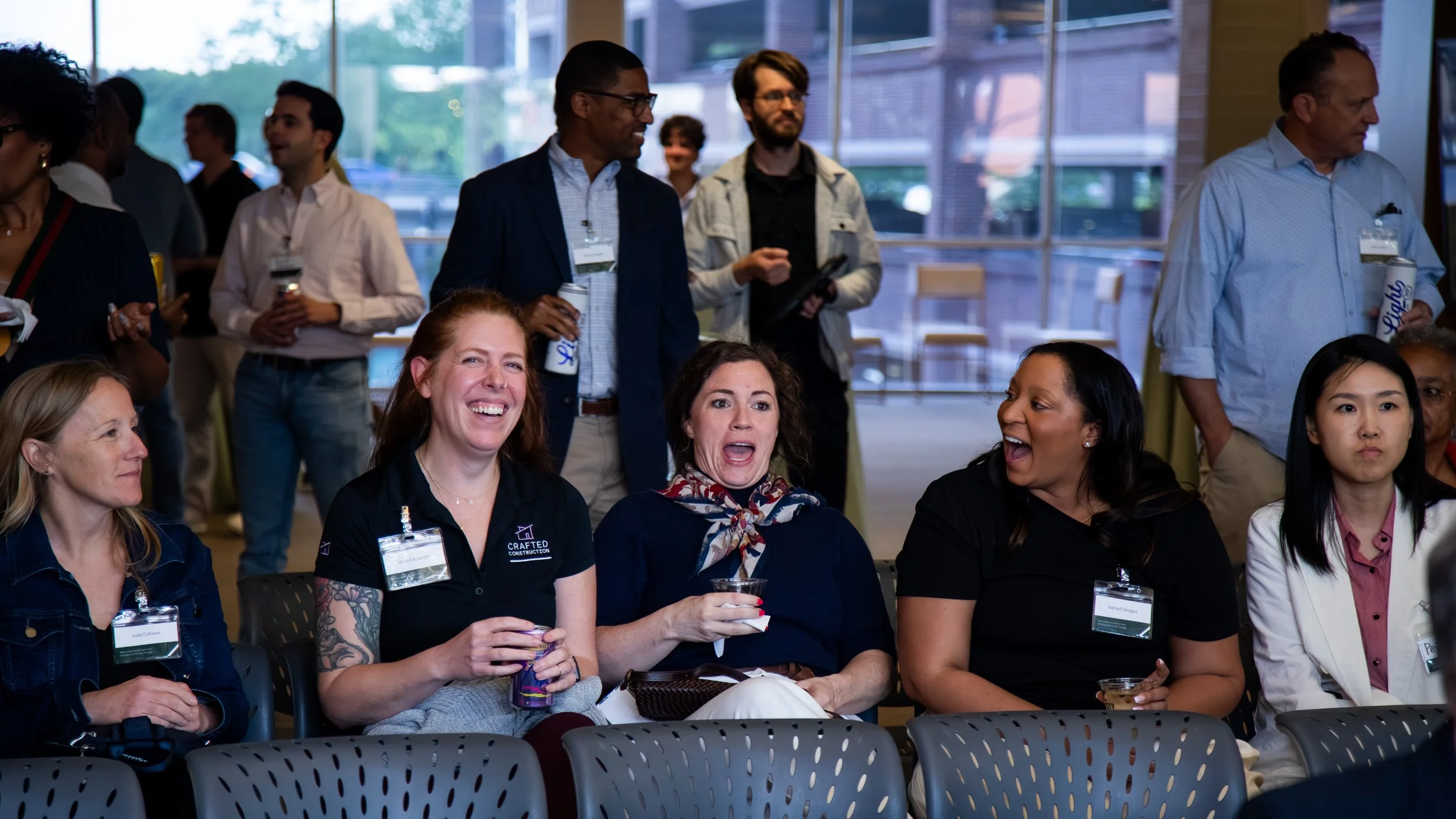
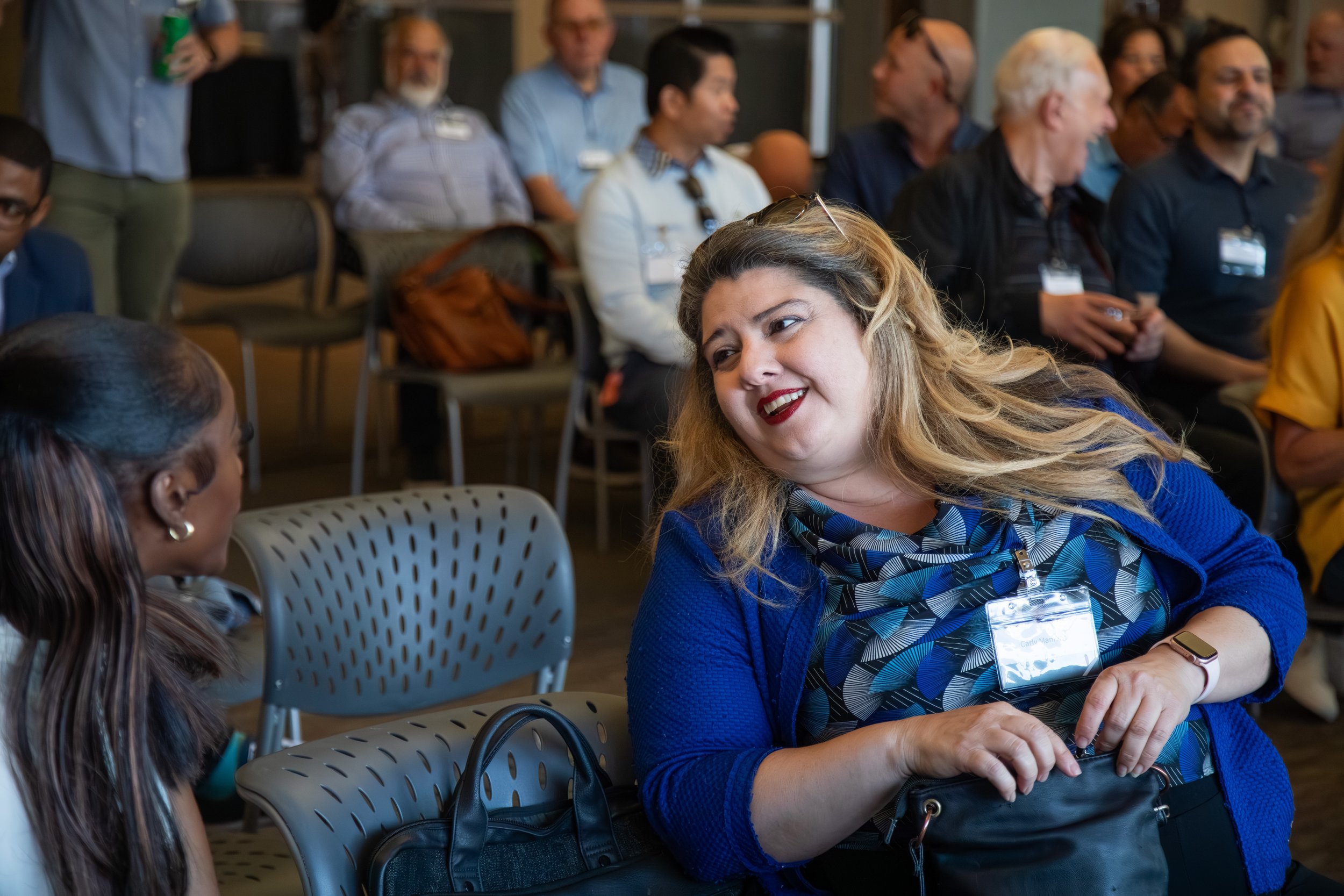
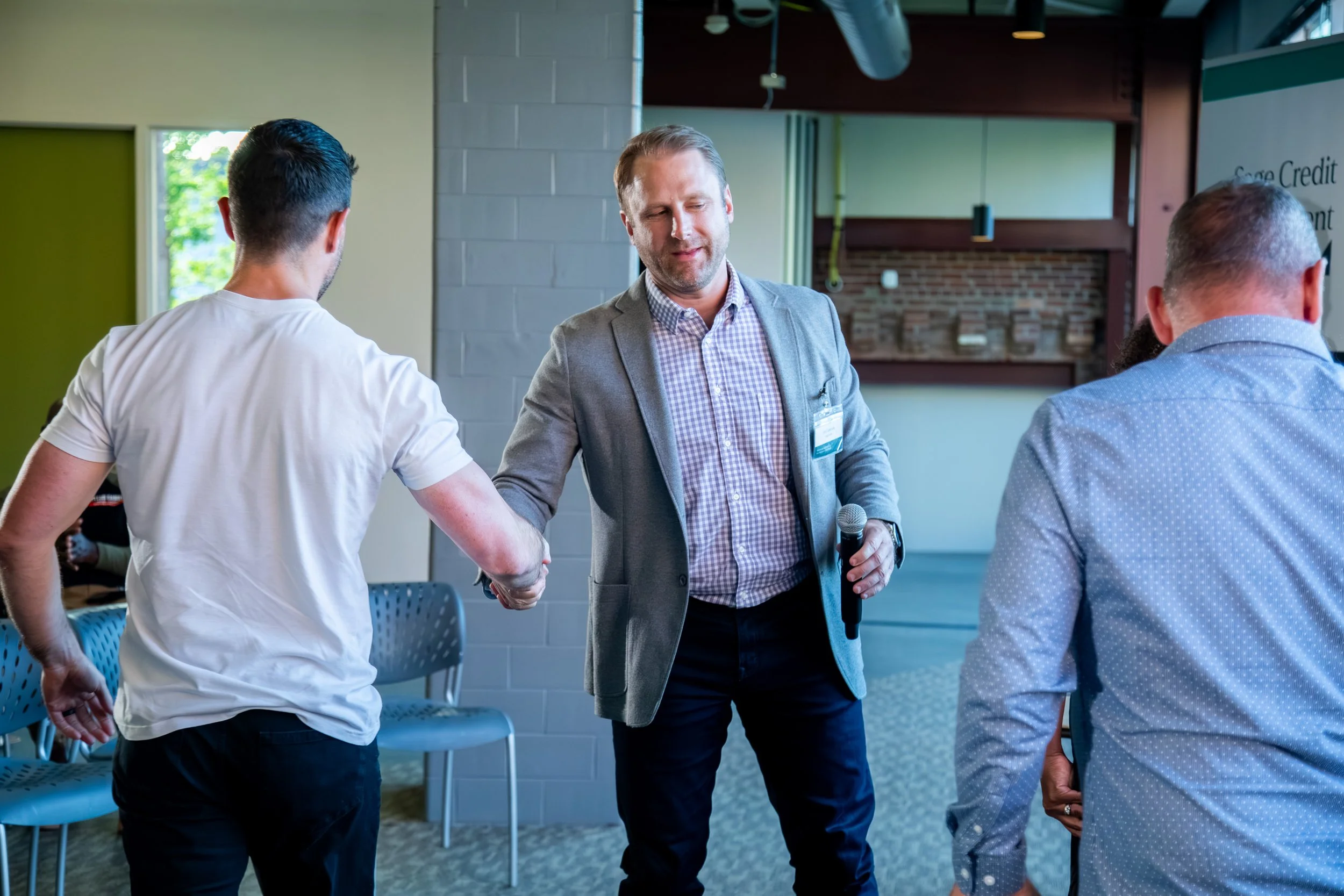
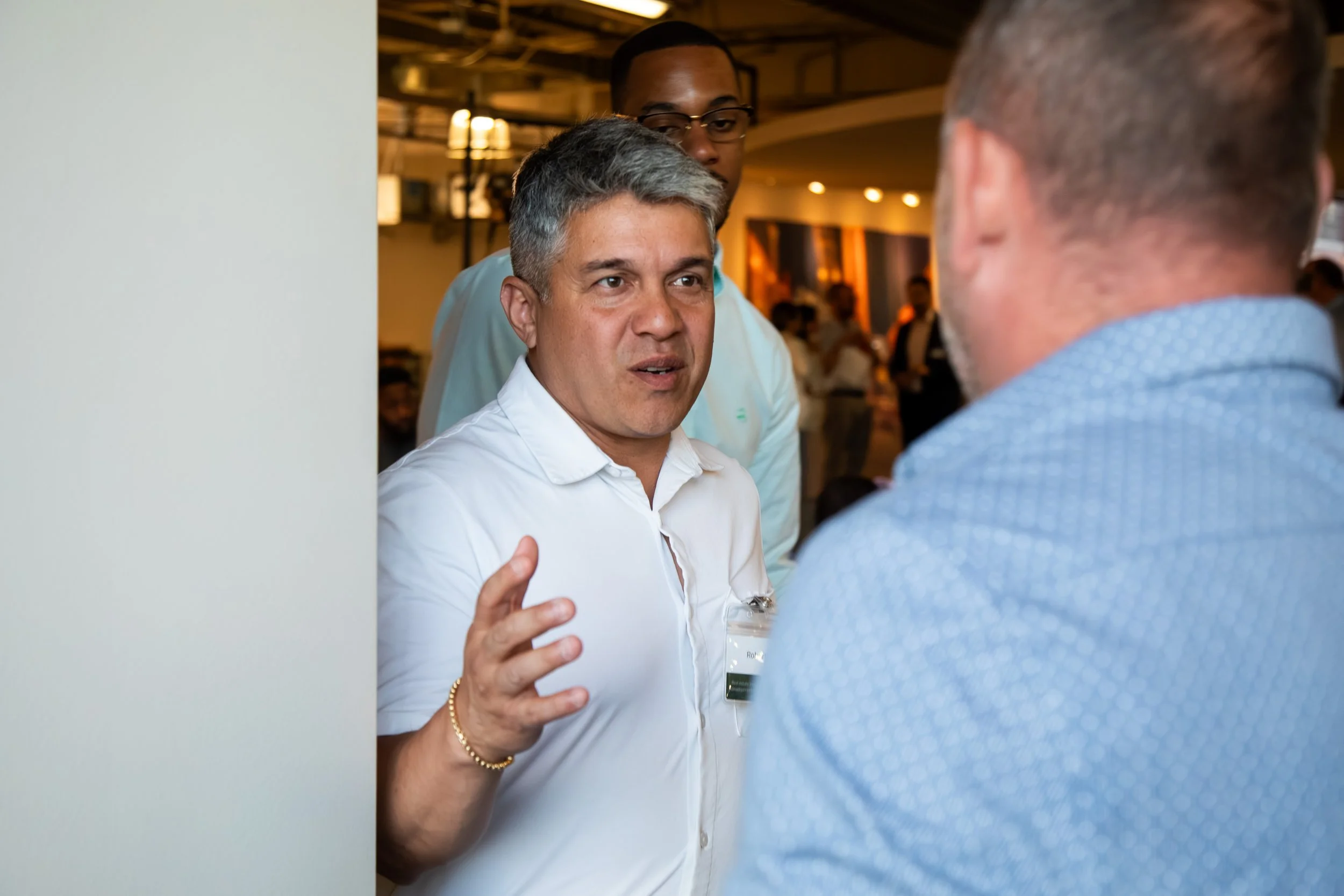











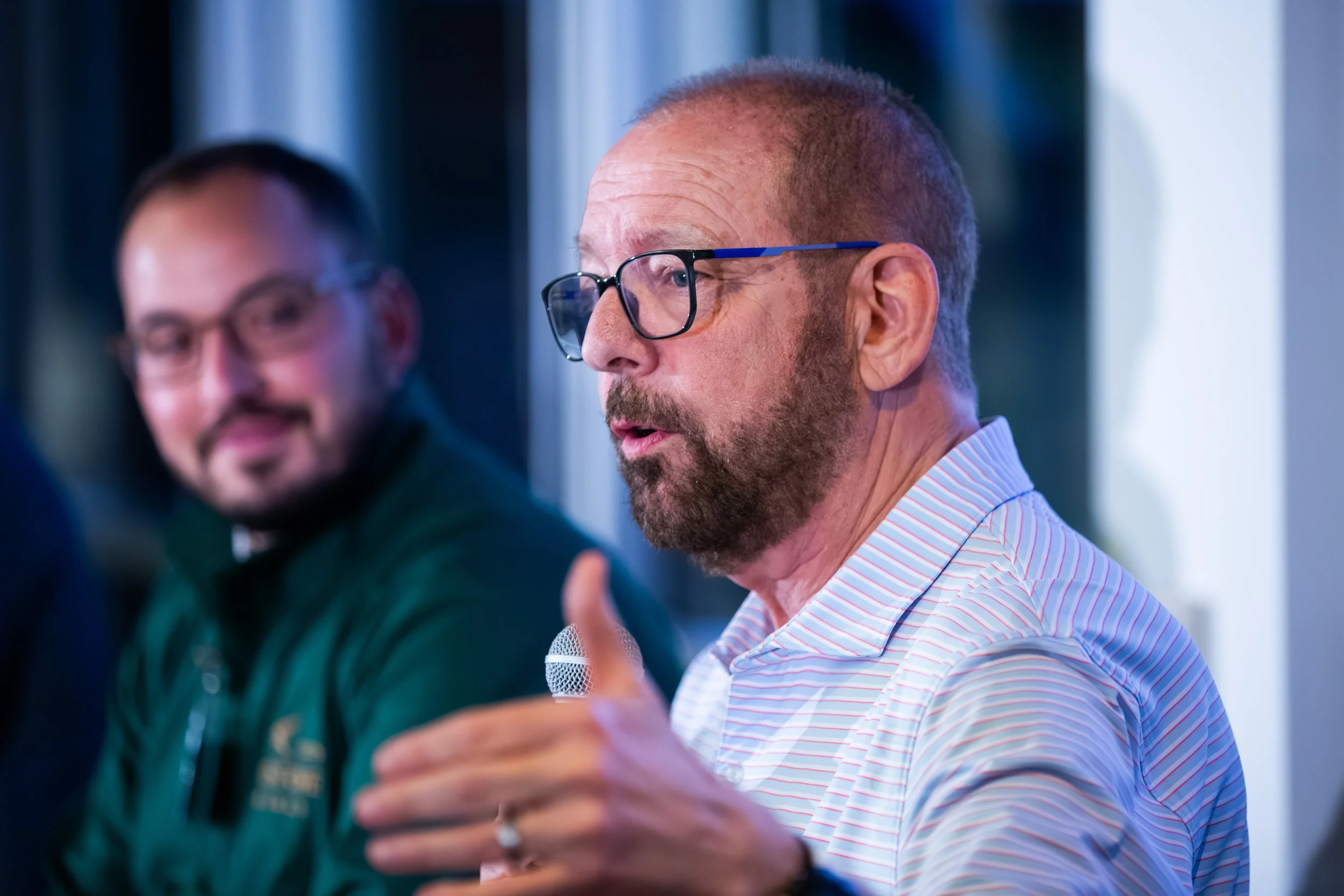
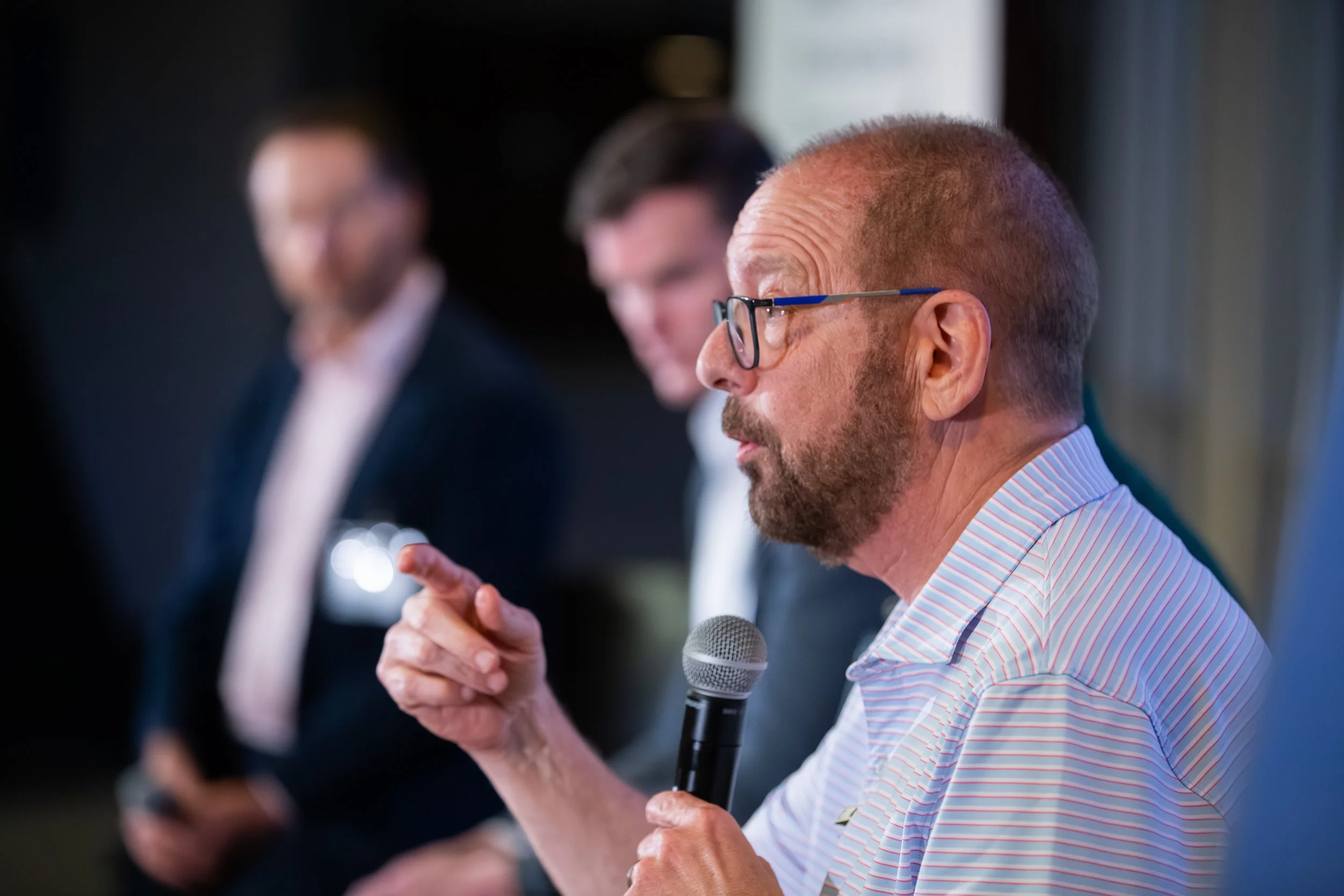
Panel 1 Gallery
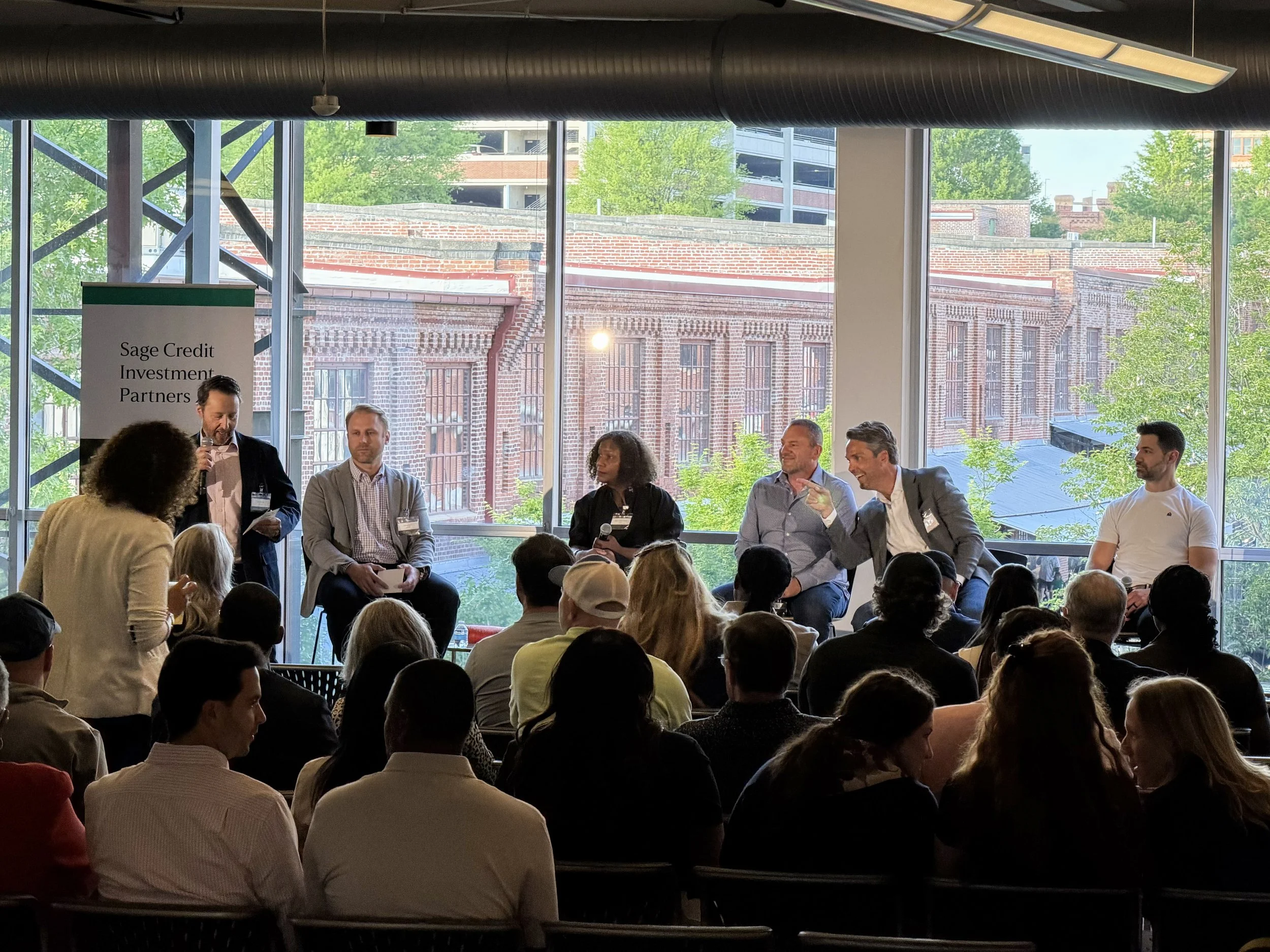
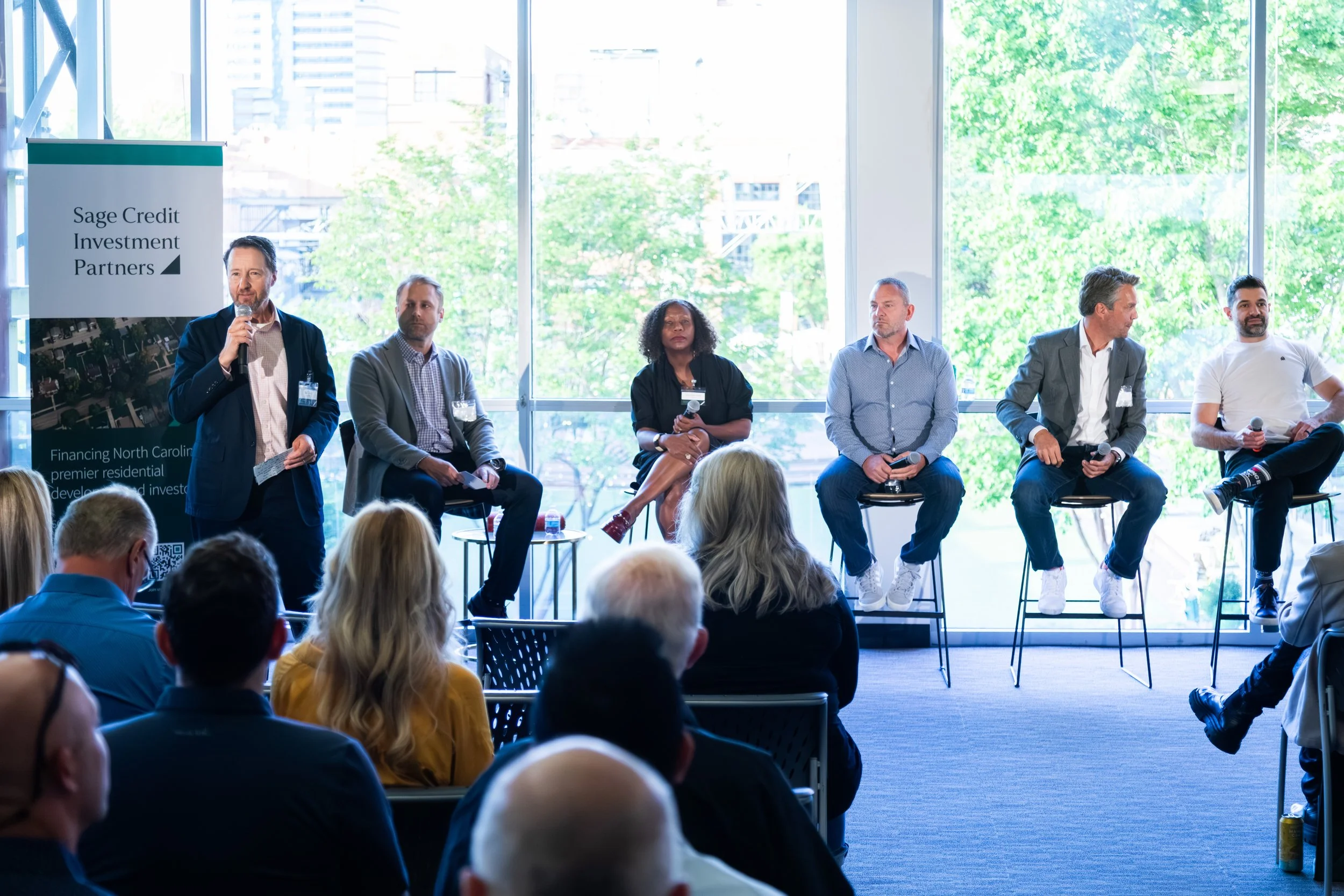
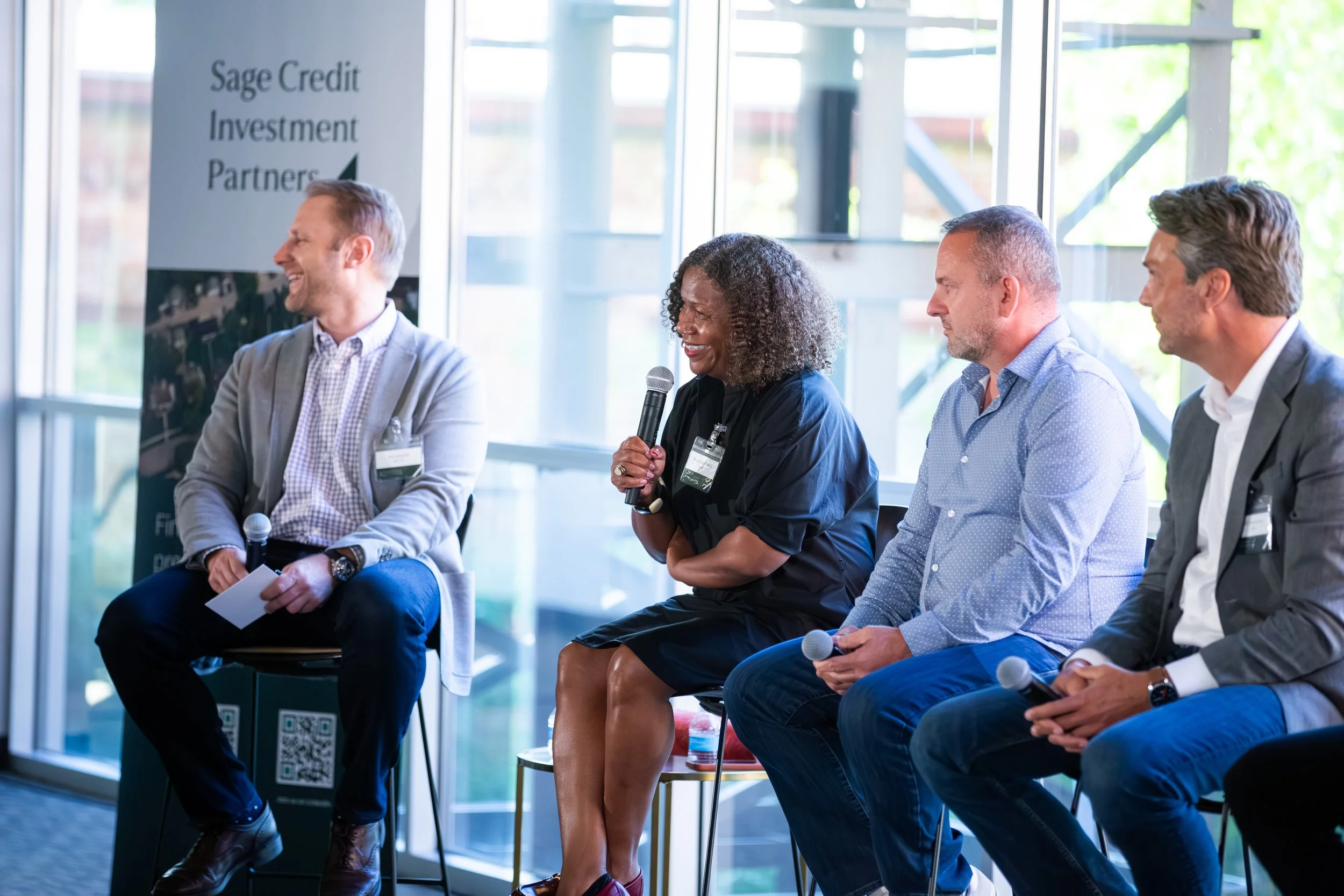







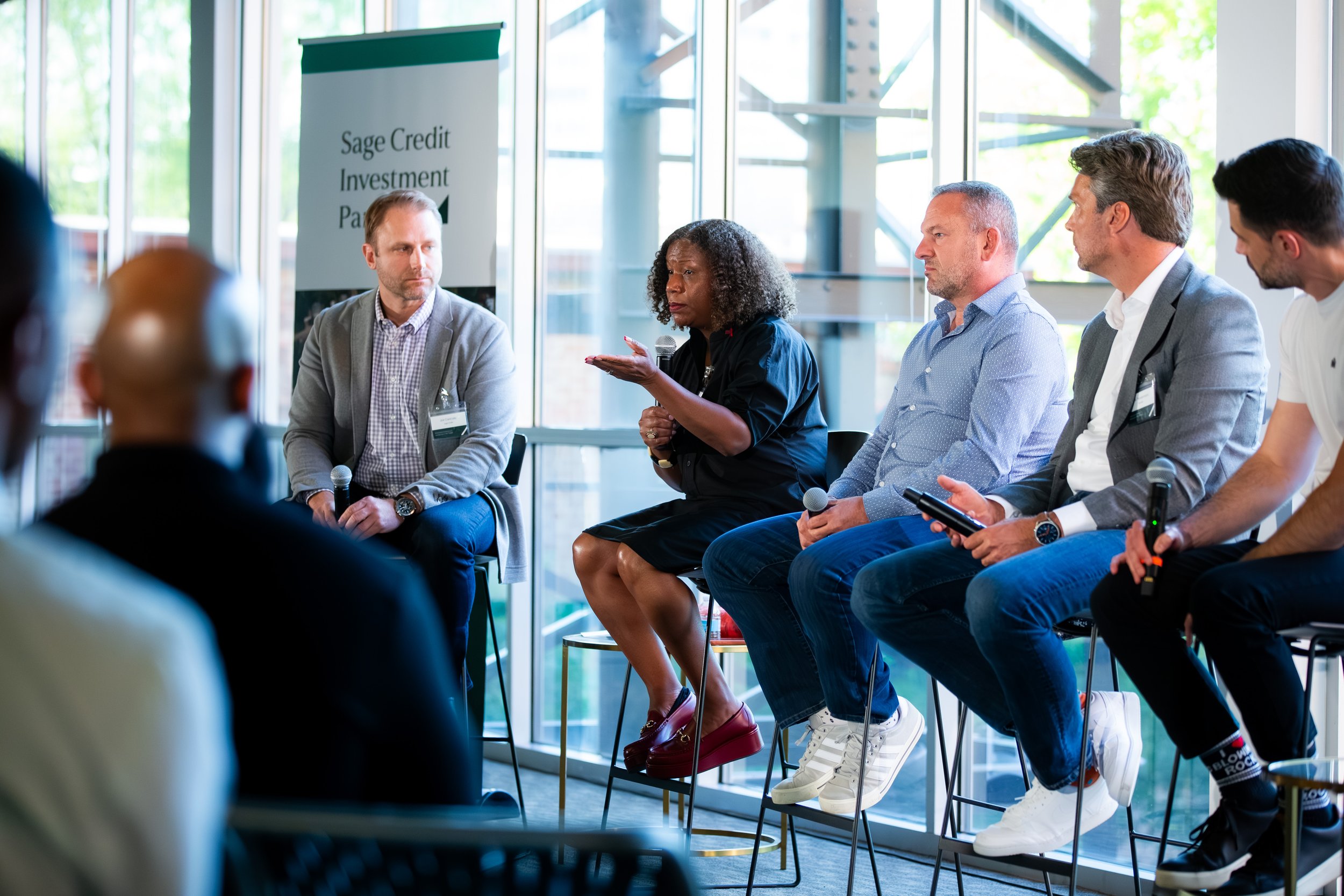
Panel 2 Gallery
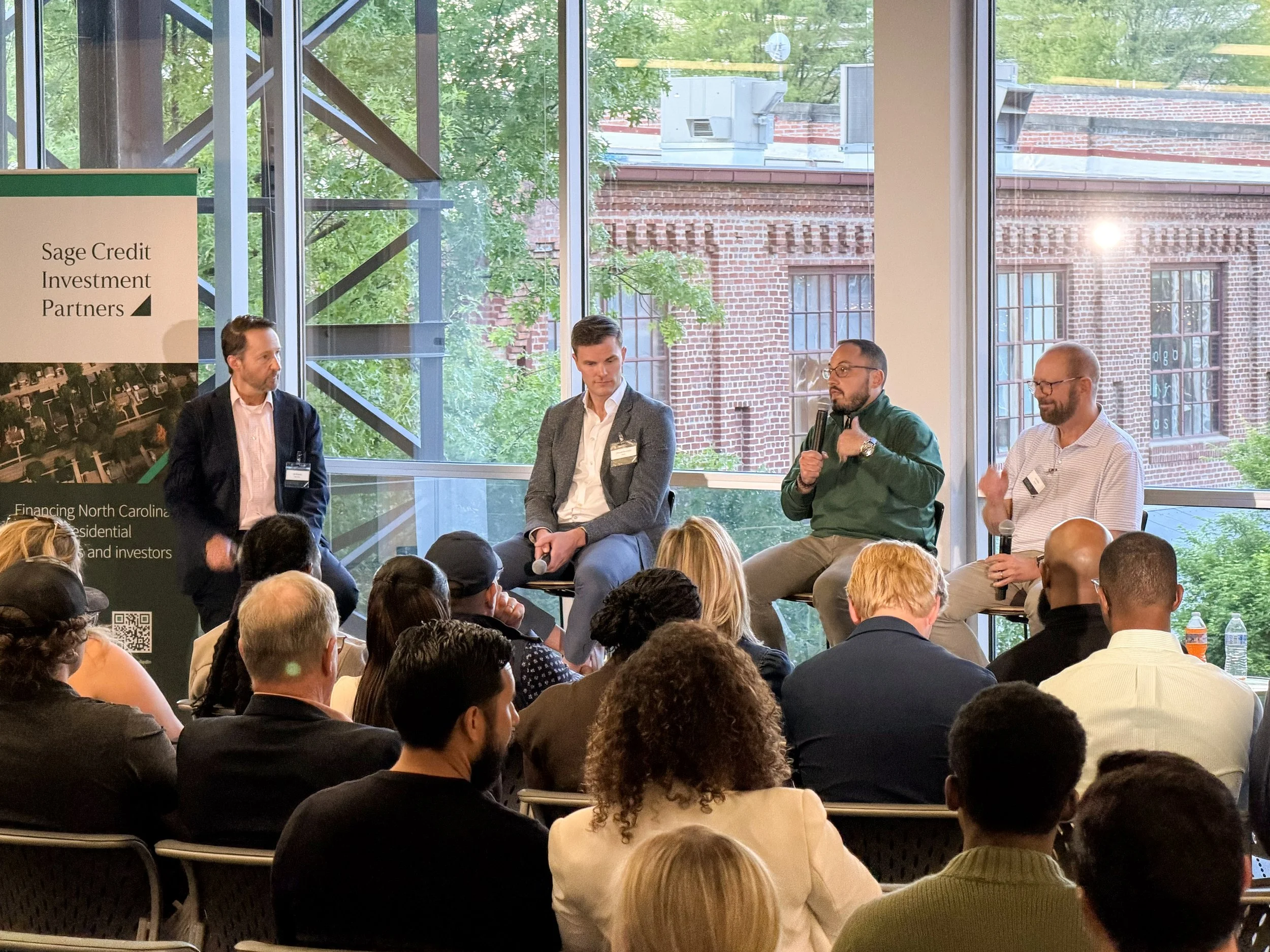
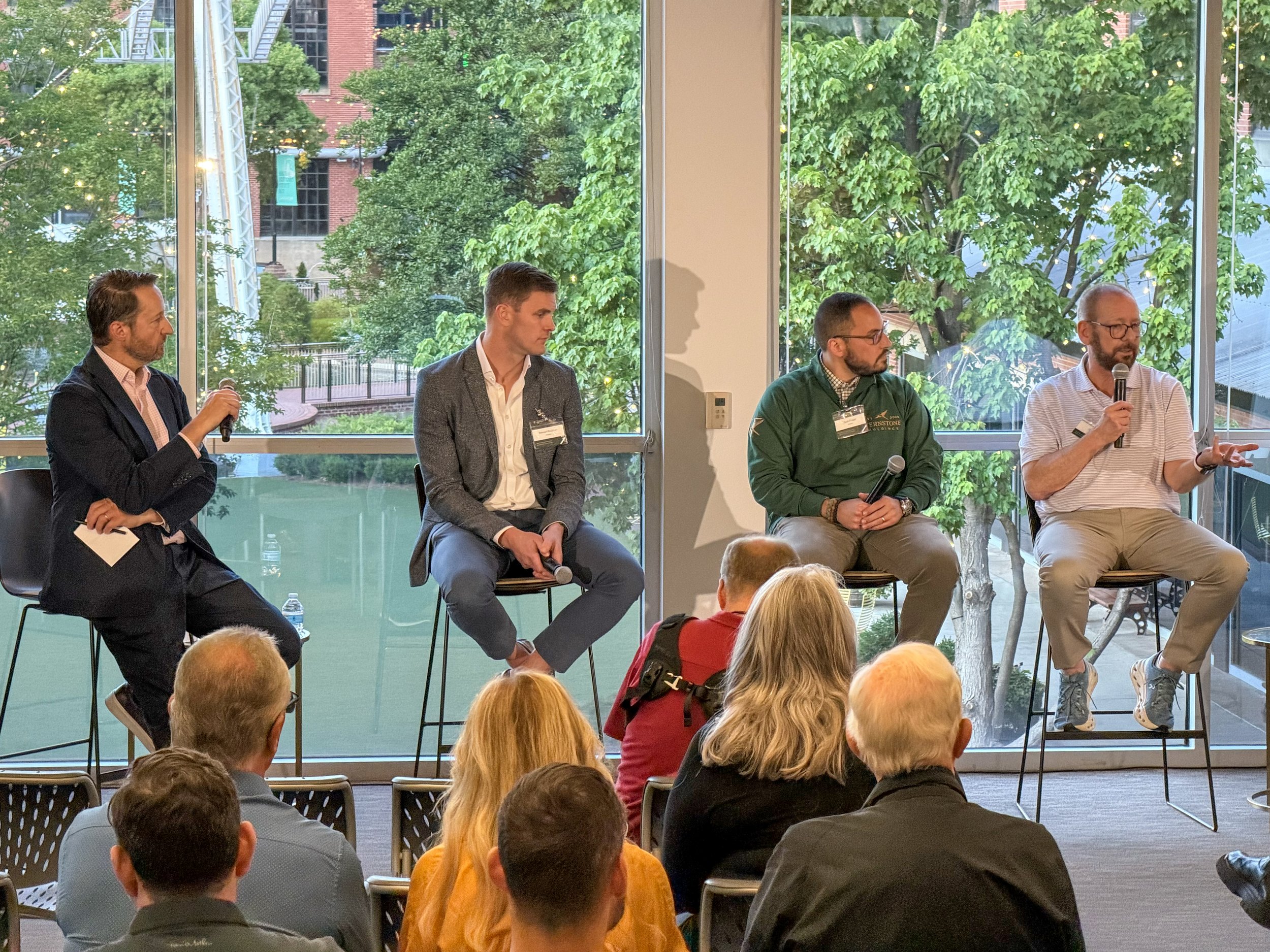


Thank you to everyone involved
We'd like to thank the more than 100 attendees who joined us, along with the panelists who gave their time and shared their perspectives.
We also want to recognize The Bridge at American Tobacco Campus, which provided an exceptional setting for the evening. The Bridge is a new event space within the American Tobacco Campus, a historic complex that has been central to Durham's transformation over the past two decades, and a fitting backdrop for a conversation about the city's future.
We would also like to thank all the individuals, businesses and organizations that helped spread the word about this event. We recognize that the success of this community comes from the strength of its networks, the people that put in the effort to connect others, to share ideas and opportunities, for this we are exceptionally grateful and proud to be a part of this community.